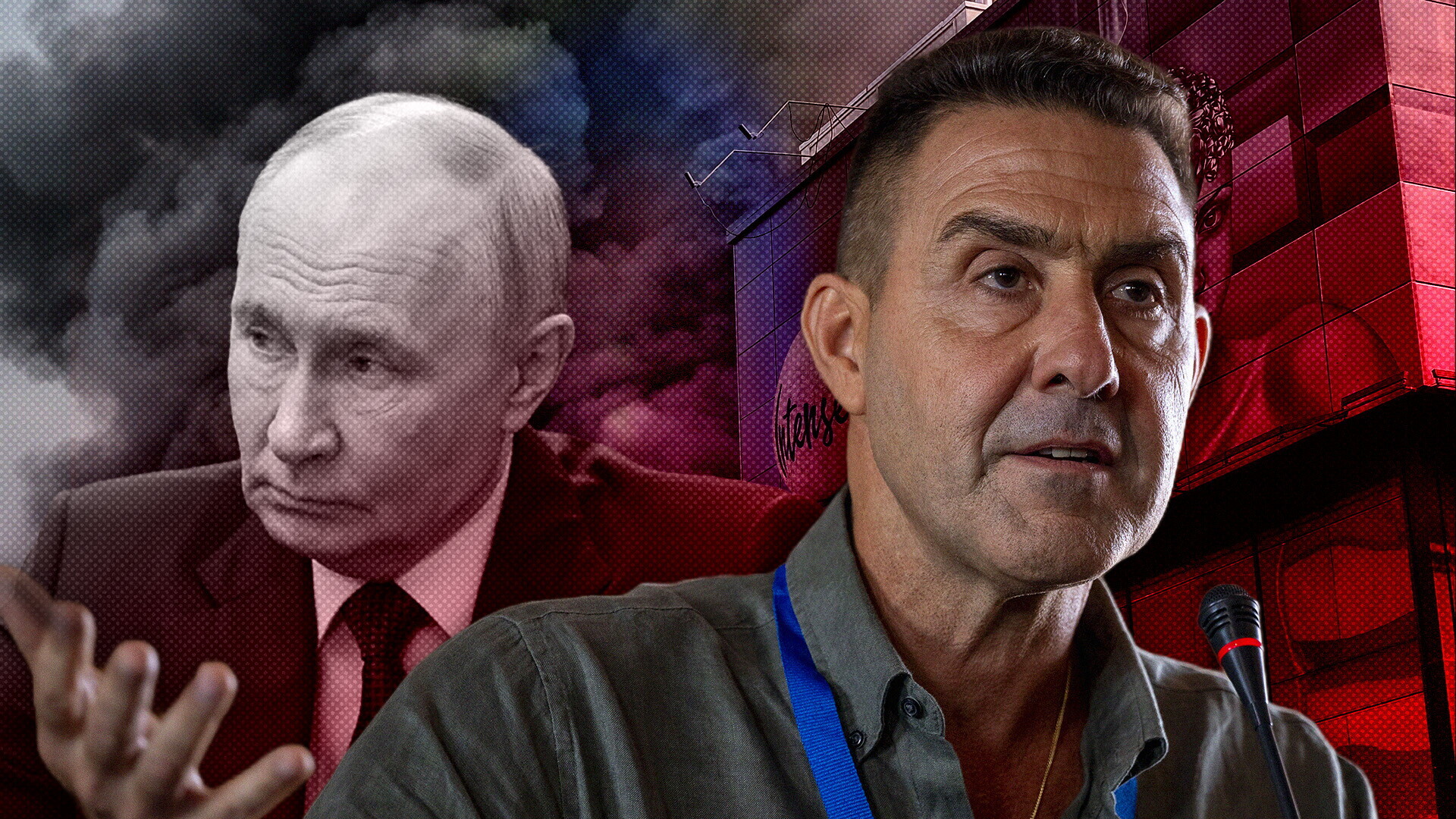
The Russian Hybrid Threat to Europe Is Being Ignored in Italy
European security leaders are warning that Russian hybrid attacks have crossed beyond Ukraine’s borders, even as domestic political controversies dominate public attention.
The Shift From Domestic Distractions to Cross-Border Hybrid Warfare
While public discourse across several European nations focuses heavily on localized political debates, immigration norms, and electoral campaigns, intelligence assessments point toward a more immediate external threat. Over the past several weeks, suspicious incidents attributed to Russian operations have moved deep into European airspace and infrastructure.
European leaders have spent recent weeks assessing these escalating vulnerabilities. The conflict that began with the invasion of Ukraine in February 2022 has increasingly manifested as an asymmetric campaign targeting Western stability.
Infrastructure Sabotage and Airspace Violations Across Central Europe
On August 4, an explosive-laden drone targeted a parked Ukrainian aircraft on the tarmac at Leipzig Airport in Germany, striking its wing in an attack that miraculously failed to detonate. Following intensive investigations, German authorities formally accused Russia of orchestrating the strike by early September.
Just two weeks after the Leipzig incident, two Italian fighter jets scrambled to intercept a pair of Russian jet aircraft that had violated Lithuanian airspace, escorting them safely out of NATO territory. Such incursions have grown increasingly frequent, prompting heads of state to brief political rivals on the changing threat matrix.
Macron convened a cross-party meeting with national political leaders to share important information regarding potential Russian operations. With the French presidential election approaching in one year, Macron sought to brief all candidates on the new operational phase of the conflict.
Diverging Political Responses in France and Italy
While Paris treats the intelligence with high urgency, reactions in Rome have followed a different path. Italy faces its own election cycle in 2027, yet government officials have generally downplayed the severity of the warnings.
Defense Minister Crosetto publicly dismissed a report published by the Spanish newspaper El Mundo, which indicated that the CIA had warned several European governments of a potential Russian maritime attack originating from the Mediterranean directed toward Italy, France, or Spain. Crosetto downplayed the finding as merely an “alarm,” commenting that adding “further fuel to the fire” serves no practical purpose.
Despite initial skepticism from some officials, Macron has maintained a direct stance with the public. Warning that a direct strike inside Europe remains a “credible” prospect, Macron noted that multiple distinct indicators demonstrate ongoing preparations by Russia.