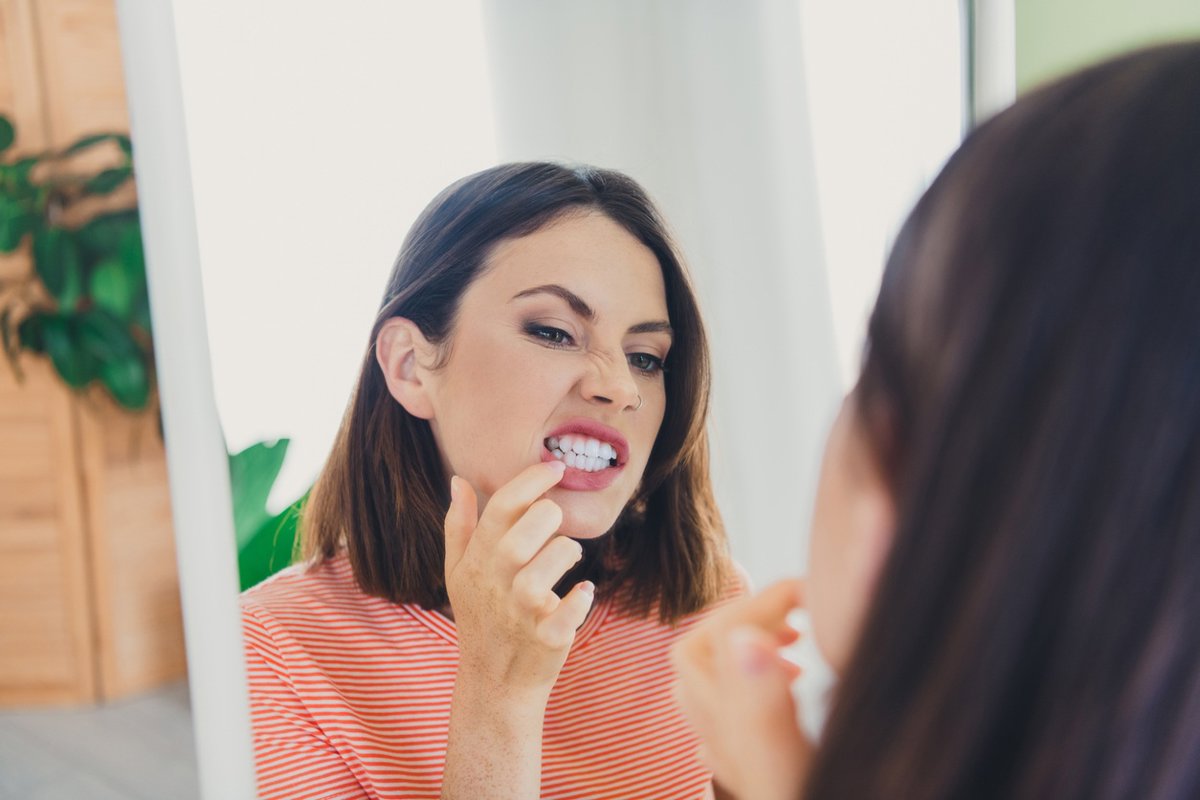
The Risks of Cosmetic Dental Trends: Why Professional Advice Matters
Dental serums currently marketed as “miracle” whitening or restorative agents are largely cosmetic products that lack the clinical validation required for medical-grade oral therapeutics. While these formulations often utilize proprietary delivery systems to improve surface appearance, they do not function as substitutes for established dental hygiene protocols or professional interventions, according to current guidance from the American Dental Association (ADA).
Key Clinical Takeaways:
- Most dental serums are classified as cosmetic products, meaning they are not subject to the same rigorous clinical efficacy and safety trials as pharmaceutical-grade medical devices.
- Over-reliance on over-the-counter (OTC) whitening serums can mask underlying pathologies, such as enamel erosion or dentin hypersensitivity, by providing a temporary aesthetic fix.
- Clinical consensus emphasizes that professional diagnosis is required to distinguish between extrinsic staining and intrinsic structural issues that serums cannot resolve.
The Physiological Mechanism of Surface Whitening
The primary action of most dental serums involves the application of low-concentration hydrogen peroxide or carbamide peroxide to the tooth surface. These agents facilitate the oxidation of chromogens—the pigment-containing molecules—trapped within the enamel pellicle. However, the efficacy of these compounds is highly dependent on contact time and the permeability of the enamel matrix. Unlike professional-grade bleaching agents, which are often buffered to prevent chemical burns on the gingival tissue, consumer-grade serums frequently lack pH-stabilizing agents, increasing the risk of transient chemical irritation.

Research published in the National Library of Medicine regarding enamel micro-morphology indicates that prolonged exposure to unregulated acidic whitening agents can lead to mineral leaching. When patients attempt to manage oral aesthetics without professional oversight, they risk accelerating the pathogenesis of dentin hypersensitivity. For patients seeking to address persistent discoloration, it is essential to consult with board-certified cosmetic dentists who can perform a comprehensive assessment of enamel integrity before recommending any bleaching protocol.
Distinguishing Cosmetic Marketing from Dental Therapeutics
A significant clinical gap exists between the marketing claims of “restorative” dental serums and their actual biological capacity. While manufacturers often promote these products as capable of “remineralizing” enamel, the scientific reality is more nuanced. True enamel remineralization requires a precise bioavailable concentration of calcium, phosphate, and fluoride ions, often delivered through prescription-strength varnishes. Most commercial serums lack the delivery vehicle—such as casein phosphopeptide-amorphous calcium phosphate (CPP-ACP)—necessary to achieve actual structural repair.

Dr. Elena Vance, a specialist in restorative dentistry, notes that the rise of social media-driven health trends has created a false equivalence between cosmetic brightness and oral health. “The danger of certain trends is that they confuse the consumer, leading them to believe that a purely cosmetic product functions as a therapeutic intervention,” says Dr. Vance. This confusion can lead to the neglect of standard-of-care practices, such as mechanical plaque removal and regular dental hygiene appointments, which are the only proven methods for preventing dental morbidity.
Diagnostic Necessity and Professional Triage
The temptation to treat oral health issues with self-administered serums often leads to delayed diagnosis of more systemic problems. Discoloration, for instance, can be a clinical marker for endodontic necrosis or fluorosis—conditions that remain unaffected by surface-acting serums. A clinical diagnosis is mandatory to determine if a condition is extrinsic, residing on the surface, or intrinsic, involving the structural layers of the tooth.

For individuals experiencing unexplained changes in tooth shade or texture, seeking professional evaluation is the only way to avoid the risks associated with mismanaged DIY treatments. General dental practitioners and diagnostic centers are equipped to perform the necessary imaging and clinical examinations to rule out underlying structural compromise. Relying on unregulated products without a prior professional assessment can lead to irreversible damage to the gingival barrier and the enamel surface.
Future Trajectory of Oral Aesthetic Research
The future of oral care is moving toward personalized therapeutics rather than generalized cosmetic serums. Emerging research is focused on bio-mimetic materials that integrate with the host’s oral microbiome to provide sustained protection. However, until these technologies reach the standard of care, the clinical recommendation remains clear: prioritize evidence-based preventative dentistry over unverified consumer trends. Patients should prioritize regular consultations with accredited oral health providers to ensure that any aesthetic goals are aligned with long-term structural health.
Disclaimer: The information provided in this article is for educational and scientific communication purposes only and does not constitute medical advice. Always consult with a qualified healthcare provider regarding any medical condition, diagnosis, or treatment plan.