The Rise of the Centrist Uncommitted Movement and the Democratic Party Schism
As progressive primary wins mount across New York, Pennsylvania, and Colorado, an emerging centrist uncommitted movement is taking shape among Democratic donors, pundits, and elected officials threatening to withhold party support over Israel policy and corporate interests. Unlike the 2024 Gaza-focused protests, this new faction leverages financial strikes and party schisms to counter left-wing electoral gains.
James Carville and the Push for a Democratic Schism
The friction within the Democratic coalition intensified following a wave of municipal and primary victories by democratic socialist candidates. According to commentary delivered on his podcast by James Carville, as cited by local political coverage, the recent sweep in New York—where candidates backed by Zohran Mamdani won eight consecutive local races—signals a necessary fracturing of the party. Carville stated to his listeners that it is time for Democrats to discuss a schism, asserting that certain democratic socialist aligned candidates have no place in the party and declaring his own departure from the existing political coalition.
This public break follows a pattern where demands for ideological loyalty apply strictly to the left wing of the party. While progressive commentators face swift condemnation for threatening to withhold votes from moderate nominees, centrist departures draw muted institutional responses.
Capitol Hill Conspiracies and Donor Strikes in Michigan
Centrist lawmakers and major financial contributors are actively discussing formal separations from the Democratic Party, according to reports published by CNN. Anonymous leaks from a Democratic lawmaker representing a battleground district indicate that mounting concerns over the rising influence of the Democratic Socialists of America have prompted direct talks with donors regarding a potential exodus from the party.
This strategy extends beyond legislative corridors into high-stakes electoral fundraising. Ahead of the August 4 Democratic primary in Michigan featuring anti-Zionist candidate Abdul El-Sayed, prominent Metro Detroit Jewish leaders who historically fundraise for Democrats are preparing strategic hedges. According to reporting by the Times of Israel, these donor networks are planning fundraisers for the presumptive Republican nominee, former U.S. Representative Mike Rogers, as a direct response to feeling abandoned by the Democratic leadership.
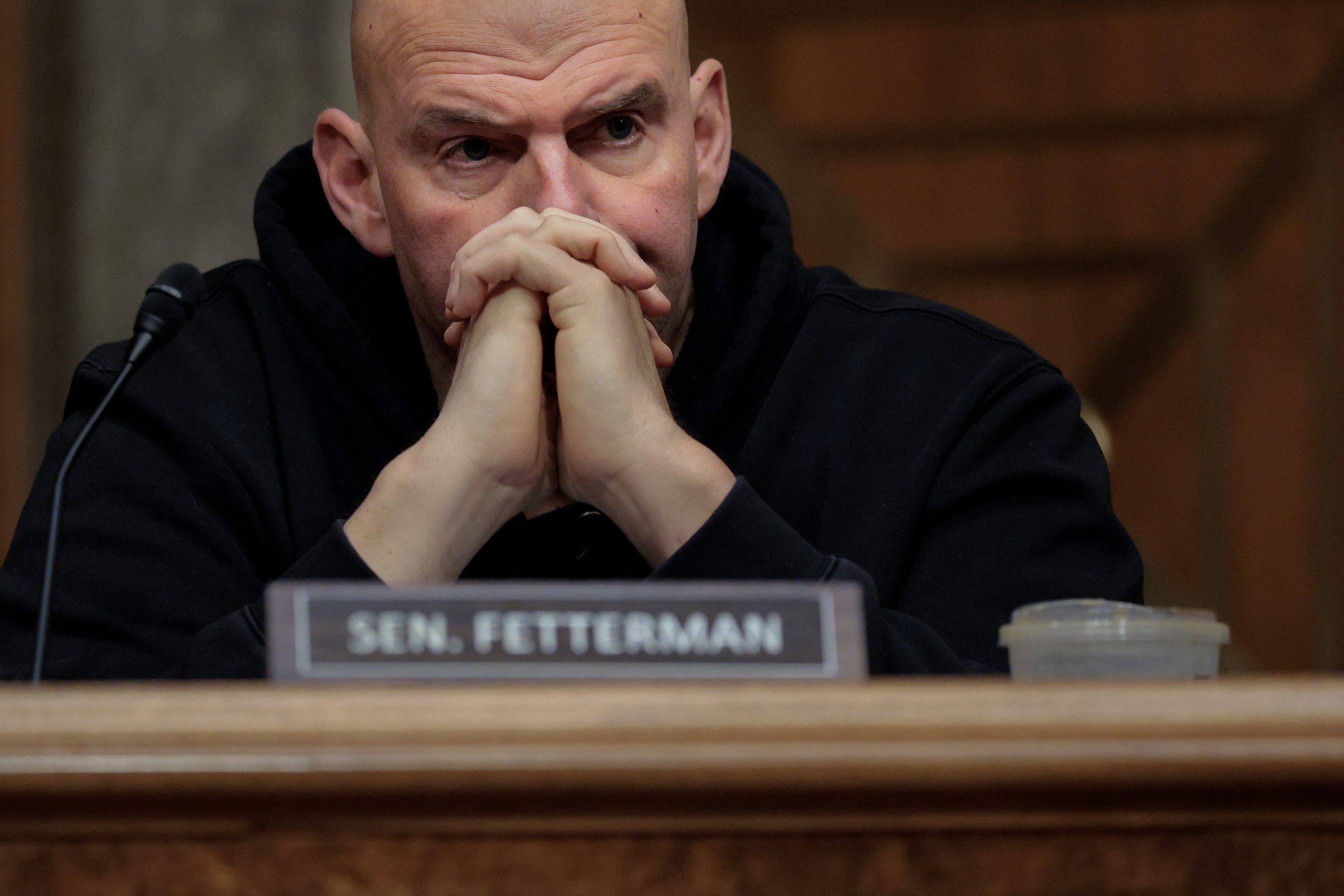
Public threats of defection have also come from elected figures. Pennsylvania Senator John Fetterman indicated an intent to leave the party over what he characterizes as insufficient legislative and political support for Israel. Similarly, gun control advocate Fred Guttenberg stated publicly on social media that positions held by progressive lawmakers like Representative Ro Khanna would drive him to step away from the Democratic Party entirely.
Contasting the 2024 Gaza Uncommitted Movement with Centrist Defections
The current centrist push mirrors and inverts the dynamics of the 2024 Uncommitted Movement, which urged voters to withhold support to pressure the Biden-Harris campaign into altering its military stance on Gaza. While the 2024 grassroots effort sought to halt civilian casualties and align the party with humanitarian platforms, the emerging centrist uncommitted movement draws motivation from pro-corporate politics and an unyielding defense of regional military actions.
Historical precedent demonstrates that centrist threats to abandon the party carry distinct structural advantages within party apparatuses. During the 2008 primary cycle, the anti-Obama PUMA (Party Unity My Ass) movement operated with significant potency among disaffected supporters.
The institutional readiness to appease centrist donors while penalizing left-wing leverage highlights a persistent double standard. Pundits and party leaders consistently treat centrist defections as serious policy disagreements requiring careful negotiation, while framing progressive policy demands as existential threats to electoral viability.
The willingness of centrist donors and lawmakers to break party ranks in defense of specific foreign policy and economic doctrines exposes the limits of enforced party unity. As long as loyalty demands flow in only one direction, the threat of a centrist uncommitted movement remains a potent tool for shaping candidate platforms at the expense of broad-based coalition building.