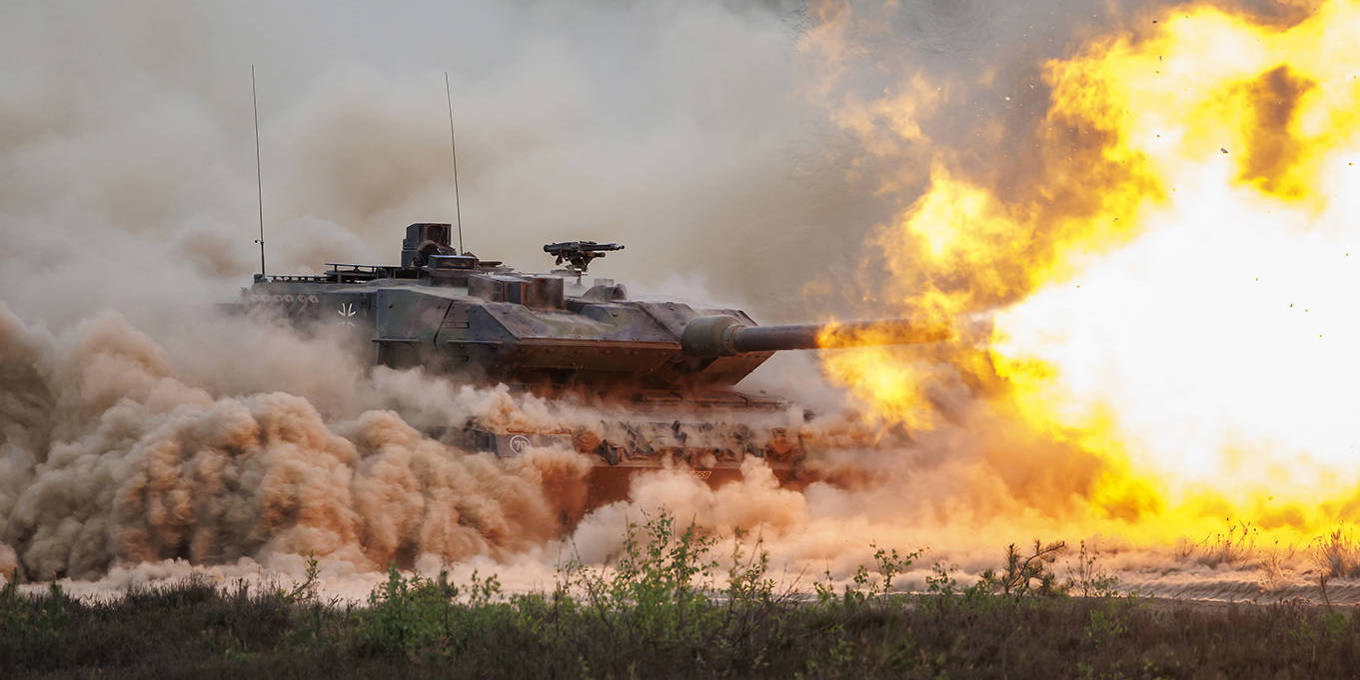
The Missing Linchpin of European Hard Power
Europe is aggressively scaling its military-industrial complex in response to the Ukraine conflict and waning US security guarantees. While financial and industrial capacity is growing, the lack of a centralized political authority to direct this “hard power” creates a critical strategic vulnerability for the continent’s long-term security architecture.
The fiscal reality is stark: Europe is currently in a massive capital expenditure cycle, attempting to rebuild a defense industrial base that has been dormant or outsourced for decades. This surge in spending is not merely a policy shift; it is a fundamental reallocation of sovereign wealth. However, the disconnect between financial mobilization and political direction creates an efficiency gap. When billions in capital are deployed without a unified command structure, the result is redundant procurement, fragmented supply chains, and a lack of interoperability.
This systemic fragmentation is a goldmine for specialized B2B entities. As national governments scramble to modernize their arsenals, the complexity of cross-border defense contracts is skyrocketing. Mid-sized defense contractors and emerging tech firms are finding themselves bogged down in regulatory quagmires, necessitating the expertise of international regulatory law firms to navigate the divergent procurement standards of multiple EU member states.
The Paradox of Industrial Mobilization
Building the “financial and industrial foundations of military power” is the easy part of the equation. Capital can be allocated, and factories can be expanded. The harder challenge is the synchronization of that power. Current efforts are largely siloed, with individual nations pursuing sovereign capabilities that often overlap. This redundancy is a fiscal drain, inflating the cost of entry for new technologies and slowing the overall pace of modernization.

The money is there. The factories are humming. But the cockpit is empty.
From a market perspective, this creates a high-risk environment for institutional investors. Without a clear political authority to guarantee long-term procurement cycles, the “defense boom” looks less like a strategic pivot and more like a series of disconnected spending sprees. The lack of a unified directive means that a shift in a single national government’s priorities could leave billions in industrial investment stranded.
To mitigate this asymmetric risk, firms are increasingly relying on strategic risk consultants to model geopolitical volatility and ensure their production lines are diversified across multiple European markets rather than tethered to a single national contract.
The Macro Shift: Three Pillars of European Rearmament
The transition from a reliance on US security umbrellas to “strategic autonomy” is fundamentally altering the B2B landscape in Europe. This shift is manifesting in three distinct industrial trends:

- The Pivot to Sovereign Procurement: There is a decisive move away from “off-the-shelf” US imports toward indigenous European production. This necessitates a complete overhaul of existing supply chains, creating a surge in demand for supply chain optimization firms capable of sourcing raw materials and components within the Eurozone.
- The Integration Crisis: Industrial capacity is useless if the hardware cannot communicate. The current push for hard power is hitting a wall of technical incompatibility. This gap is opening a massive market for systems integrators who can bridge the gap between different national military standards.
- Fiscal Headroom Pressure: The cost of rearming is colliding with broader economic pressures. Governments are forced to balance defense CapEx with social spending and debt servicing, leading to more complex public-private partnerships (PPPs) and a need for sophisticated government finance advisory services.
The risk is no longer just about the lack of tanks or missiles. It is about the lack of a brain to move them.
The Political Authority Gap as a Market Liability
The warning is clear: financial and industrial power without political direction leads to vulnerability. In business terms, this is a failure of governance. When a corporation has the budget to build a product but no CEO to define the strategy, the product usually fails. Europe is currently acting as a conglomerate of twenty-seven separate business units with no corporate headquarters.

This governance vacuum increases the cost of capital for defense firms. Lenders and equity partners are pricing in the “political risk” of a fragmented European command. Until a clear authority is established to direct the continent’s hard power, the industrial foundations being built today remain fragile. We are seeing a surge in “defensive” corporate structuring, where firms are diversifying their portfolios to avoid over-exposure to any single national defense budget.

The current trajectory suggests a period of intense consolidation. Smaller players who cannot navigate the political fragmentation will be absorbed by larger conglomerates that have the scale to manage the complexity. This M&A wave will likely be driven by a need for operational efficiency in the face of strategic ambiguity.
Europe’s rearmament is a necessary response to a fracturing global order, but the industrial surge is currently outpacing the political will. For the B2B sector, this instability is a catalyst for growth, provided they can offer the specialized services required to manage the chaos. Whether it is legal navigation, supply chain resilience, or strategic risk modeling, the winners will be those who can provide stability in a landscape of fragmented power.
As the continent navigates this precarious transition, the need for vetted, high-tier professional services has never been higher. To find the partners capable of managing these complex geopolitical and fiscal shifts, explore the comprehensive listings in the World Today News Directory.