
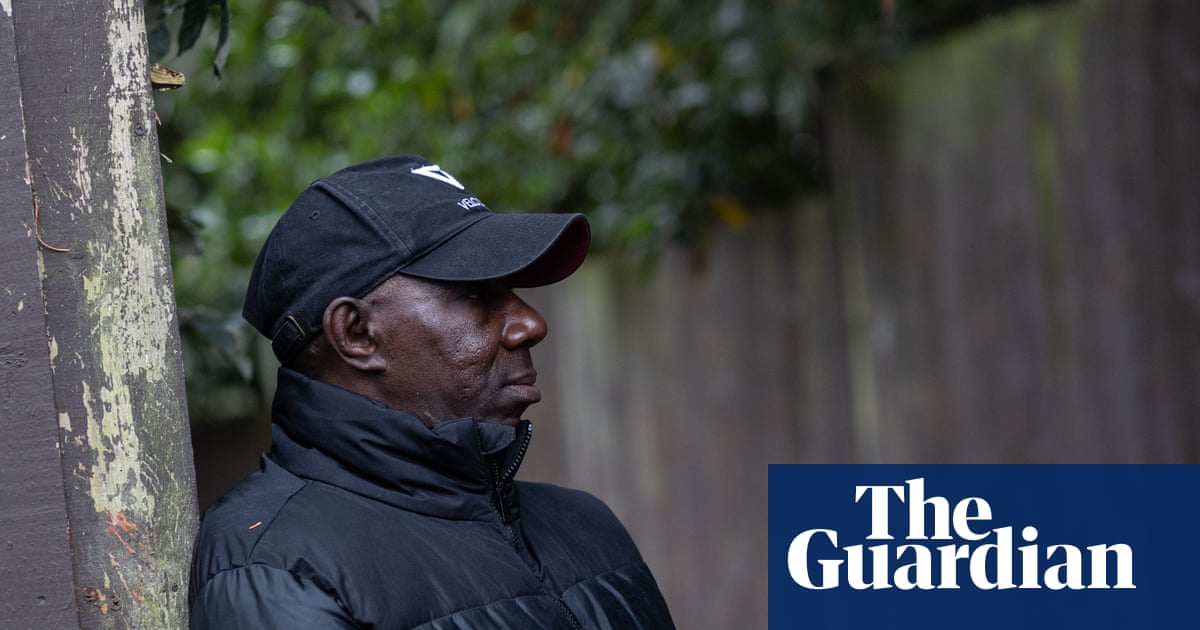
Seventeen Years in Limbo: One ManS Fight for Asylum in the UK
Ussu recently received his eVisa, granting him leave to remain in the UK after an arduous 17-year journey through the asylum system. The confirmation allows him to begin rebuilding his life, a life profoundly disrupted by years of uncertainty and restriction.
His immediate hope is to reconnect with his children, now aged 20 and 24, whom he hasn’t seen in person since fleeing his home country. “I’ve always been a family man but I haven’t seen my kids for so long,” he shared, expressing his desire to meet them for a holiday in a safe third country.Despite the physical distance, he has maintained weekly contact via WhatsApp. He is determined to support their future, hoping to contribute financially to their master’s studies.
Currently employed as a kitchen porter in central London, Ussu is also pursuing certification to work on construction sites. He previously attempted to further his own education while seeking asylum, even gaining a scholarship to attend university after completing an access course with the help of a charity. However, the Home Office prevented him from studying, citing his asylum seeker status as a barrier.
The lengthy process has left deep scars. “I have a few simple words to say to the home Office: you destroyed my life,” Ussu stated,questioning the justification for a 17-year wait for someone who had committed no wrongdoing. He described the experience of being an asylum seeker as “like living in an open prison,” and continues to struggle with flashbacks and disorientation, ofen waking up believing he still lacks status.
Ussu credits the unwavering support of a dedicated legal firm with ultimately securing his leave to remain. “if I had not found a good firm of solicitors who were prepared to help me, I would still be barred from doing all those things,” he acknowledged.
Despite the trauma, Ussu remains optimistic about contributing to British society, expressing his intention to work, pay taxes, and volunteer. He is a keen follower of both UK and international politics,but voiced concerns about the rise of figures like Nigel Farage,fearing for the future.
“The Home Office tried to break me, but despite all the bad things that have happened to me, God put some really good people in my path who helped me fight,” he said. “Their help was unconditional and they lifted me up. Despite everything, I’m still strong and I’m still here.”
Ussu’s case highlights the systemic challenges within the UK asylum system.Sonia lenegan, editor of Free Movement, points to the “degradation of the legal aid system” over the past three decades as a contributing factor, noting that funding cuts and administrative burdens have driven legal providers away, placing immense pressure on those who remain. While the government announced increases to legal aid fees for immigration and asylum work in November 2024 and again in July 2025, the promised funds had not been distributed as of the time of reporting.
