
“`html
Table of Contents
Connemara, Ireland-While the Camino de santiago and other European pilgrimage routes draw thousands, a lesser-known journey offers a uniquely intimate spiritual experience: the path to Mám Éan. This pilgrimage, though short in distance-just a few kilometers-is rich in history and natural beauty, stretching back to pre-Christian times.
Ancient Roots and Christian Legacy
The origins of the Mám Éan pilgrimage predate Christianity, linked to the pagan harvest festival of Lughnasa. Its Christian significance began in 442 AD with a visit from St. Patrick, who is said to have blessed Connemara-or, according to some accounts, the southern half of Ireland-from the summit of Mám Éan mountain.
Pro Tip: Pack for all types of weather, even in summer. Connemara’s climate can change rapidly.
legend recounts that locals attacked St. Patrick with stones during his visit, and that he subsequently drowned the devil in a nearby lake. This blend of historical and mythical elements contributes to the site’s enduring allure.
A Scenic Ascent
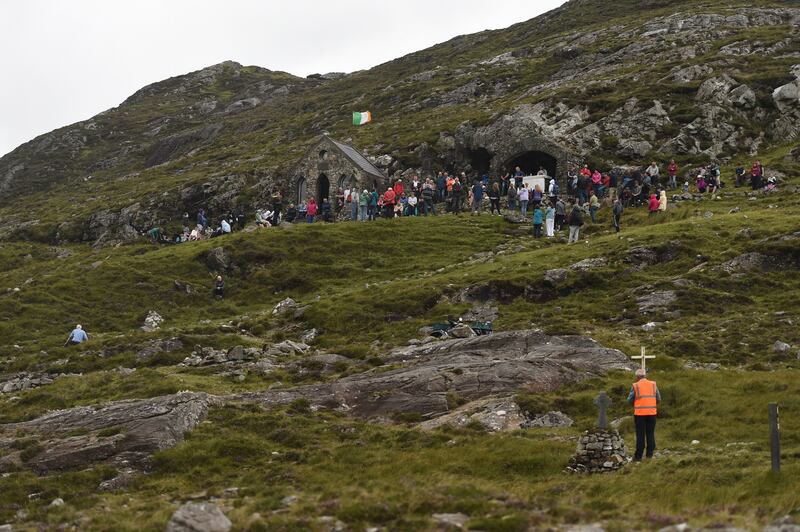
The landscape surrounding Mám Éan is dramatic. From the car park at the southern end of the trail, the Inagh Valley unfolds, framed by the Twelve Bens-mountains often depicted in the paintings of Paul Henry. The path itself is narrow and rocky, marked with signs detailing the pilgrim route and a “geotrail” through the ancient landscape. Outside of pilgrimage days, the hillsides are populated by sheep, often playfully spray-painted with vibrant colors.
A twenty-minute climb leads to Mám Éan, now marked by a statue of St. Patrick and a small modern chapel. Ancient landmarks, including wells and Leaba Phádraig-a small cave believed to be where St. patrick slept-add to the site’s historical depth.
Historical Tensions and Revival
Beyond the ridge, the expansive Maam Valley stretches out, marking the northern approach to Mám Éan, ending at Keane’s pub in Maum.This pass historically served as a boundary between southern and northern Connemara, dividing the lands of the O’Flaherty and Joyce clans. These territorial divisions fueled tensions surrounding the annual “pattern” (pilgrimage) at Mám Éan’s holy well, leading the Catholic Church to suppress the practise in the early 20th century.
The pilgrimage experienced a revival in the late 1970s, thanks to the efforts of reforming Jesuit priest, Fr. Micheál MacGréil.
Echoes of the Past
In 1834, Scottish travel writer Henry Inglis documented his visit to Mám Éan during a ”pattern” day. He observed a potential dispute between the Joyces and O’Flahertys over land ownership. Inglis described the Joyces as ”a magnificent race of men,” noting their extraordinary stature. He also recounted witnessing a faction fight, complete with shillelaghs and rock-throwing, though with surprisingly few injuries.
The pattern began with hospitality, Inglis being welcomed into tents serving as bars and locals conversing with him in English. however, a comment by a Joyce clan member sparked a shift in mood, with the language abruptly changing to Irish and a prelude to conflict beginning with the consumption of poitín.
the church’s unease with the pilgrimage stemmed from its pagan roots and the excesses associated with the gatherings.Competition from the more famous pilgrimage to Croagh Patrick also contributed to its decline in the 20th century.
Fr.MacGréil’s legacy
Fr. MacGréil, born of joyce Country stock, dedicated himself to reviving the Mám Éan pilgrimage. he secured permission to celebrate mass at the site again in the late 1970s, using donations to erect an altar, statue, and chapel. He vowed to hold mass annually, later moving the date to the first Sunday in August.
Fr. MacGréil sought to preserve the site’s pagan history while reinforcing its christian significance. He also aimed to prevent the pilgrimage from becoming overly commercialized, maintaining the use of the irish language and embracing the often-challenging weather conditions.
Did You Know? …
the name Mám Éan translates to “Passage of the Birds” in Irish.
Following Fr. MacGréil’s death in 2023, the tradition continues, with mass still celebrated in Irish, drawing predominantly local attendees.
A Modern Pilgrimage
Today, Jack Hanley serves as the site caretaker, overseeing the pilgrimage and maintaining the grounds. He recalls a time when visitors could sleep in Leaba Phádraig, but souvenir hunters have diminished its comfort. Hanley also helped develop the Maamturk Mountains walk, a longer hiking route that incorporates Mám Éan.
What draws people to this ancient path today? Is it the spiritual significance, the historical intrigue, or the breathtaking scenery? The Mám Éan pilgrimage offers a unique blend of all three, inviting visitors to connect with Ireland’s rich cultural and natural heritage.
| Event | Date | Significance |
|---|---|---|
| St. Patrick’s Visit | 442 AD | Marks the beginning of the Christian significance of Mám Éan. |
| Pilgrimage Suppression | Early 20th Century | The Catholic Church temporarily halted the pilgrimage due to tensions and pagan influences. |
| Pilgrimage Revival | Late 1970s | Fr. Micheál MacGréil spearheaded the restoration of the pilgrimage. |
| Fr. MacGréil’s Death | 2023 | Marks the passing of a key figure in the pilgrimage’s modern history. |
The Mám Éan pilgrimage represents a growing interest in “slow tourism” and authentic cultural experiences. As travelers seek deeper connections with the places they visit, sites like Mám Éan-offering a blend of history, spirituality, and natural beauty-are gaining prominence. The preservation of the Irish language and cultural traditions associated with the pilgrimage is also a key aspect of its enduring appeal.
Frequently Asked Questions
- What is the Mám Éan pilgrimage? It’s a historical and spiritual journey to a mountain pass in Connemara, ireland, with roots in both pagan and Christian traditions.
- How long is the pilgrimage route? The route is relatively short, only a few kilometers long, and can be completed from two directions.
- Who was Fr. Micheál MacGréil? He was a Jesuit priest who played a crucial role in reviving the Mám Éan pilgrimage in the late 1970s.
- Is the pilgrimage still active today? Yes, mass is celebrated at Mám Éan three times a year, and the site continues to attract pilgrims and visitors.
- What should I expect on the trail? Expect a rocky, uphill climb with stunning views of the Connemara landscape.
We hope this article has inspired you to explore the hidden gem that is Mám Éan.Share this story with fellow travel enthusiasts, leave a comment with your thoughts, or subscribe to our newsletter for more inspiring destinations!