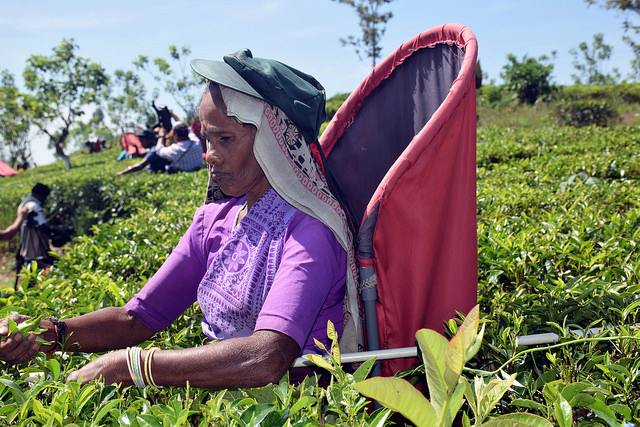
The Future of Tea Depends on Smallholder Farmers
As of May 20, 2026, the global tea industry faces a fundamental existential crisis centered on the smallholder farmers who produce the vast majority of the world’s supply. By examining the labor-intensive reality of tea cultivation in regions like East Africa and South Asia, it becomes clear that current supply chain models are failing to provide sustainable livelihoods, threatening the future of the entire sector.
The morning ritual enjoyed by millions of people across the globe—a simple cup of tea—is built upon a precarious foundation. While consumers rarely consider the origin of their beverage, the reality is that the leaves are almost exclusively harvested by hand, requiring immense skill and physical endurance. These farmers, often operating on tiny plots of land, are currently caught in a cycle of environmental volatility and stagnant market pricing that renders their traditional way of life increasingly untenable.
The Structural Fragility of Global Tea Supply
The reliance on smallholder farmers is not merely a logistical detail. it is the backbone of the global tea economy. However, this reliance is currently being tested by a combination of climate instability and economic neglect. In major producing nations, the lack of investment in infrastructure—specifically in irrigation and climate-resilient crop varieties—has left farmers vulnerable to shifting rainfall patterns.
When the rain fails, the harvest fails. When the harvest fails, the global market experiences price spikes, but incredibly little of that increased revenue ever reaches the hands of the individual farmer. This represents not just a matter of fair trade; it is a matter of agricultural survival. Without a radical restructuring of how value is distributed along the supply chain, the next generation of farmers may simply walk away from the fields.

The systemic undervaluation of manual labor in the tea sector is the primary driver of rural exodus. We are witnessing a demographic shift where younger generations are abandoning the mountainous regions of tea cultivation in favor of urban centers because the financial return on their labor is effectively zero.
This insight, provided by independent agricultural policy analysts, highlights the disconnect between the premium prices seen in retail markets and the poverty wages paid at the point of origin. To address these systemic risks, many cooperatives are now turning to international trade law firms to help navigate complex export regulations and secure better contractual terms with multinational beverage conglomerates.
Macro-Economic Pressures and Local Infrastructure
The economic impact of this instability extends far beyond the farm gate. In regions where tea is a primary export, the decline of smallholder productivity directly translates to a decrease in municipal tax revenue, which in turn cripples local infrastructure such as roads, schools, and healthcare facilities. For those looking to understand the broader implications of trade policy on local economies, the World Trade Organization provides essential frameworks for understanding how these commodities are regulated.
the lack of standardized labor protections means that many farmers have no recourse when faced with predatory pricing. This is where the intervention of global agricultural advocacy groups becomes vital. These organizations provide the necessary bridge between local producers and international buyers, ensuring that human rights are not sacrificed for the sake of a lower wholesale price.
Consider the following factors contributing to the current volatility:
- Climate Sensitivity: The tea plant is notoriously sensitive to temperature fluctuations, meaning that even minor shifts in annual climate patterns can devastate an entire season’s output.
- Supply Chain Opacity: The complex web of middlemen between the farm and the supermarket shelf obscures the true cost of production, preventing consumers from making informed ethical choices.
- Aging Demographics: As the average age of the tea farmer rises, the lack of investment in youth engagement and agricultural training threatens the continuity of the industry.
Navigating the Path Toward Sustainability
Solving this problem requires more than just goodwill; it requires a deep integration of supply chain transparency and legal accountability. Businesses that rely on tea must move toward direct-sourcing models that bypass exploitative intermediaries. For companies struggling to audit their own supply chains, engaging with specialized supply chain sustainability consultants is the most effective way to identify and mitigate risks associated with labor and environmental degradation.

The data remains clear: the future of tea is not found in a boardroom, but in the hands of the farmers. If we continue to ignore the precariousness of their position, we risk the total collapse of a trade that has defined global culture for centuries. For further reading on the intersection of trade and development, the World Bank offers extensive resources on the importance of smallholder productivity in achieving global food security.
We are approaching a tipping point. As climate change accelerates and the economic gap widens, the traditional tea-growing regions will either see a resurgence through technological and policy reform, or they will fade into obsolescence. The choice rests with the stakeholders—from the multinational corporations setting the price to the consumers making the final purchase. If you are a stakeholder in the agricultural sector or a policy maker, securing the services of regulatory compliance experts is the only way to ensure that your operations align with the rapidly evolving standards for ethical and sustainable sourcing.
The mist still clings to the hillsides where the tea grows, but for how much longer? The hands that pluck those leaves are holding up the weight of an entire industry. It is time the global market recognized their value before the cycle of neglect permanently severs the lifeline of the tea trade.