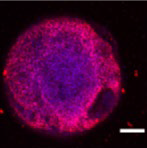
The Future of Medicine: How 3D Bioprinting Revolutionizes Organoid, Tissue, and Cartilage Reconstruction
In a breakthrough that could redefine regenerative medicine, researchers have demonstrated how 3D bioprinting is now capable of engineering functional cartilage and other complex tissues with unprecedented precision. This advancement—rooted in the synergy between biofabrication and organoid technology—holds transformative potential for treating degenerative joint diseases, reconstructive surgery, and personalized tissue repair. Yet, as the field hurtles toward clinical translation, critical questions remain: What are the remaining biological hurdles? Which institutions are already integrating these methods into patient care? And how can healthcare providers prepare for the regulatory and logistical challenges ahead?
Key Clinical Takeaways:
- 3D bioprinting with organoids now enables in vitro cartilage formation with structural and functional properties comparable to native tissue, addressing a longstanding gap in regenerative medicine.
- Personalized regenerative approaches—such as bioprinted cartilage—are advancing toward clinical trials, but scalability, immune compatibility, and long-term integration remain unresolved.
- Healthcare providers specializing in orthopedics, burn reconstruction, and chronic wound care should monitor these developments closely, as they may soon offer alternatives to traditional autografts and allografts.
The Biological Leap: From Lab to Living Tissue
The core innovation lies in the marriage of organoid bioprinting—a technique that combines 3D printing with self-assembling cell clusters—to create tissues that mimic the architecture and function of human organs. Unlike traditional tissue engineering, which often relies on static scaffolds, bioprinting allows for the precise spatial arrangement of cells, growth factors, and extracellular matrix (ECM) components. This precision is critical for chondrogenesis, the process by which cartilage-forming cells (chondrocytes) produce the collagen-rich framework essential for joint function.
According to a foundational study published in Nature (2024), organoid bioprinting leverages continuous inkjet and pick-and-place methods to deposit cell-laden bioinks into supportive hydrogels, creating a microenvironment that guides tissue maturation. The study—funded by a Wellcome Trust grant and conducted by researchers at Swansea University’s Reconstructive Surgery and Regenerative Medicine Group—demonstrated that bioprinted cartilage maintained mechanical integrity and cellular viability for over 28 days in vitro, a benchmark for potential clinical translation.
Dr. Iain Whitaker, PhD (Lead Author, Swansea University)
“The breakthrough isn’t just about printing tissue—it’s about recapitulating the dynamic cues that cells experience in the body. By integrating organoids into bioprinted constructs, we’re essentially giving cells a ‘map’ to follow, which accelerates their differentiation and functional maturation.”
Clinical Gaps and the Path to Personalized Medicine
Despite these advances, several pathophysiological and immunological challenges persist. The primary obstacle is vascularization: bioprinted tissues thicker than 200–300 micrometers risk necrosis due to insufficient oxygen and nutrient diffusion. Researchers are exploring co-printing strategies with endothelial cells to induce blood vessel formation, but these methods are still in preclinical stages.
A secondary hurdle is immune rejection. While organoid-derived tissues are less likely to trigger a robust immune response than synthetic scaffolds, patient-specific iPSC-derived organoids could still provoke minor histocompatibility reactions. Solutions may lie in immunomodulatory bioinks, such as those incorporating decellularized ECM or immunosuppressive factors like TGF-β.
The Regulatory and Logistical Landscape
Transitioning from bench to bedside requires navigating a complex web of regulatory pathways. In the U.S., the FDA’s Center for Biologics Evaluation and Research (CBER) classifies bioprinted tissues as human cells, tissues, and cellular and tissue-based products (HCT/Ps), subject to Section 361 exemptions—but only if they meet strict criteria for homogeneity and minimal manipulation. For more complex constructs, a Biologics License Application (BLA) would be mandatory, a process that can take 3–5 years and require Phase I-III clinical trials.
Internationally, the European Medicines Agency (EMA) takes a more stringent approach, treating advanced therapy medicinal products (ATMPs) under Regulation (EC) No 1394/2007. This framework demands rigorous good manufacturing practice (GMP) compliance, which has deterred smaller biotech firms from pursuing bioprinting ventures. However, recent EMA guidance on organoid-based therapies suggests a shift toward flexibility for personalized applications, provided they meet case-by-case safety and efficacy standards.
Who’s Leading the Charge?
The race to clinical implementation is already underway. Key players include:
- United Therapeutics: Acquired Lung Biotechnology PBC in 2023 to develop bioprinted lung tissue for COPD and pulmonary fibrosis patients. Their Ventec Life Systems division is exploring ex vivo lung perfusion combined with bioprinting.
- Cellink (Sweden): A pioneer in bioink development, Cellink’s BioX platform is being tested in Phase I trials for bioprinted skin grafts in burn victims, with N=15 patients enrolled to date.
- Organovo (USA): Focused on liver and kidney organoids, Organovo’s ExVive3D™ technology is being evaluated for drug toxicity screening, though full in vivo applications remain years away.
Directory Triage: Where Providers and Patients Should Turn
For healthcare systems and clinicians, the implications are immediate. The following specialties and services are poised to integrate bioprinted organoids within the next 2–5 years:
- Orthopedic Surgeons: Patients with osteoarthritis or traumatic cartilage loss may soon have access to bioprinted meniscus or articular cartilage grafts, eliminating the need for autograft harvests. Clinics like [Regenerative Medicine Clinics] are already partnering with biotech firms to offer compassionate-use programs.
- Burn and Wound Care Centers: Chronic wounds and extensive burns represent a $7 billion annual burden in the U.S. Alone. Plastic surgeons specializing in reconstructive surgery should monitor trials for bioprinted skin substitutes, which may reduce infection rates and scarring compared to traditional skin grafts.
- Healthcare Compliance Attorneys: The regulatory maze surrounding ATMPs demands specialized expertise. Firms like [Healthcare Compliance Attorneys] are advising biotech startups on FDA/EMA pathway selection, GMP audits, and intellectual property protection for proprietary bioinks.
- Diagnostic Imaging Labs: Pre-surgical planning for bioprinted implants requires high-resolution MRI/CT to map defect geometry. Radiology practices with advanced 3D reconstruction capabilities will play a critical role in patient selection and post-implant monitoring.
The Horizon: What’s Next?
The next frontier lies in hybrid organoid systems—combining bioprinted scaffolds with vascularized organoids to create fully functional tissues. Early-stage research at Sciencedirect’s 2025 review suggests that 4D bioprinting (incorporating time-based stimuli like temperature or pH shifts) could further enhance tissue maturation. However, these advances will require:
- Collaborative hubs: Academic-industry partnerships, such as those between Swansea University and United Therapeutics, to accelerate preclinical validation.
- Standardized bioinks: Regulatory bodies must establish compendial standards for bioink composition to ensure reproducibility.
- Patient stratification: Biomarker-driven approaches to identify candidates most likely to benefit from bioprinted therapies, reducing trial attrition.
The trajectory is clear: bioprinted organoids are not a distant dream but a near-term reality for select patient populations. For providers, the time to engage with this technology is now—whether through research collaborations, regulatory strategy, or direct patient care. The question is no longer if these therapies will arrive, but how prepared the healthcare ecosystem will be to integrate them.
Disclaimer: The information provided in this article is for educational and scientific communication purposes only and does not constitute medical advice. Always consult with a qualified healthcare provider regarding any medical condition, diagnosis, or treatment plan.