The Enduring Legacy of Dolly Parton: A Life in Music and Self-Construction
Dolly Parton, the iconic singer-songwriter and cultural architect who reshaped American music and identity, has died at age 80.
From Tennessee Poverty to Global Icon
Born the fourth of 12 children in a cabin in Pittman Center, Tennessee, Parton’s early life was defined by extreme economic hardship. According to historical accounts, her family’s financial constraints were such that they paid the attending physician with a sack of cornmeal. This upbringing became the crucible for her future persona. While other children mocked the homemade garments her mother sewed from rags—the very ones she would later immortalize in her signature song, “Coat of Many Colors”—Parton chose to view her situation through a lens of self-determination, famously declaring that one is only poor if they choose to be.
Her trajectory toward the Grand Ole Opry began on her front porch, where she used a tin can and a tobacco stick as a makeshift microphone. By age 13, she had successfully transitioned from local radio appearances to the professional stage, signaling an early mastery of the public eye.
The Strategy of Subversion
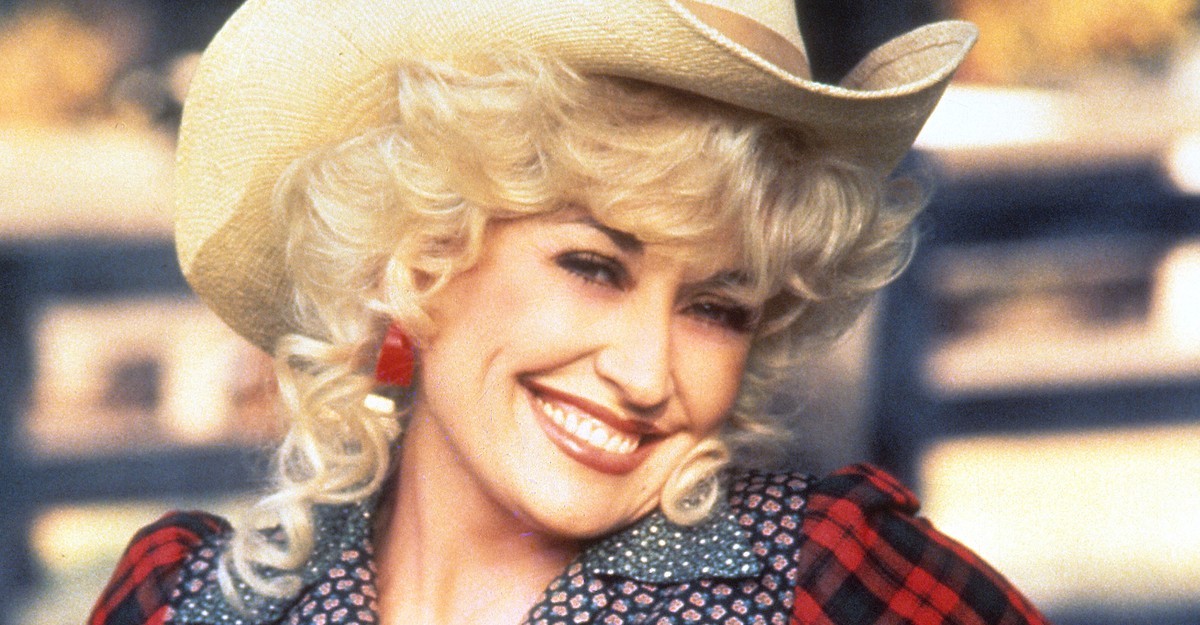
Parton’s career was built on a deliberate, calculated use of stereotypes. Moving to Nashville in the mid-1960s, she adopted a hyper-feminine aesthetic that often invited misunderstanding. However, as noted by various industry retrospectives, this was a conscious performance. Her 1966 hit “Dumb Blonde” served as a foundational statement of her autonomy, explicitly warning that despite her appearance, she was nobody’s fool.

Her tenure on The Porter Wagoner Show provided a masterclass in professional navigation. While she played the subordinate role to Wagoner, she was simultaneously outperforming him in songwriting and creative output. This period allowed her to refine her ability to flip audience expectations, a skill she later applied to social commentary in songs like “Joshua,” which challenged listeners to look past the surface of marginalized individuals.
Legacy of Franchisability and Philanthropy
Following her departure from Wagoner’s show in 1974, Parton successfully expanded her audience beyond traditional country music. Her work on “9 to 5,” both the film and the title track, became a cultural touchstone for women in the workforce. Her business acumen, particularly the establishment of her Dollywood theme park in Pigeon Forge, Tennessee, demonstrated a unique ability to market a blend of rustic heritage and commercial entertainment.
Her influence extended deep into her philanthropic work, most notably through the Imagination Library, which focuses on childhood literacy. This initiative directly addressed her own father’s inability to read, transforming a personal history of struggle into a sustained public service project.
The Parton Blueprint in Modern Music
Contemporary artists continue to operate within the framework Parton established. From Sabrina Carpenter’s aesthetic choices to Beyoncé’s 2024 album Cowboy Carter, the “Dolly effect” remains a dominant force in pop culture. Her ability to navigate both red and blue America while maintaining a consistent, authentic voice made her a rare bridge in a polarized landscape. She remained a vocal advocate for the LGBTQ+ community, once telling RuPaul that she identified with the spirit of drag.

A Final Reflection on Self-Construction
Parton’s greatest contribution may not be the songs themselves, but the permission she granted others to construct their own identities. By piling on wigs and feathers, she proved that performance and truth are not mutually exclusive. She demonstrated that one could inhabit a character while remaining fundamentally oneself. As current artists continue to mine her catalog for wisdom, her influence remains as visible as the “clear yet scraggly” voice she used to transmit her inner truth to the world.
The world she built—one where the scraps of one’s past can be stitched into something bright and new—stands as her most enduring monument. Whether through her music or her civic contributions, Parton provided a template for resilience that remains relevant for anyone seeking to turn personal idiosyncrasy into a lasting, positive impact.