The Controversy Over the Russian House in Berlin: Culture Center or Spy Nest?
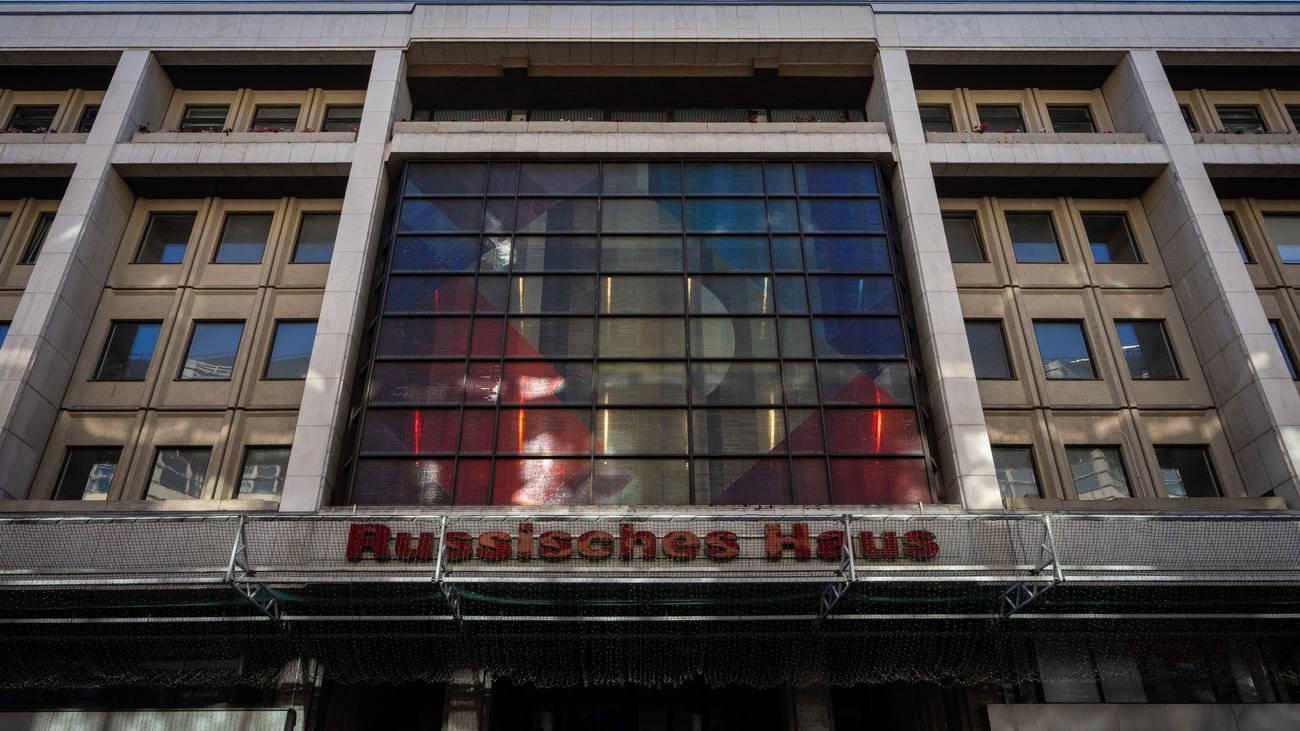
As of August 2026, the Russian House of Science and Culture at Friedrichstraße 176-179 in Berlin remains an acute geopolitical friction point and a complex regulatory challenge for German authorities. Standing seven stories high in a prime downtown location, the facility is operated by Rossotrudnitschestwo, a Russian state agency under EU sanctions due to the ongoing war in Ukraine. While proponents frame the center as a venue for language courses and cultural exchange, security officials and lawmakers warn that the institution functions as a hub for foreign intelligence and information warfare.
Financial and Regulatory Strains Under EU Sanctions
The operational framework of the Russian House shifted dramatically following the 2022 invasion of Ukraine. According to coverage by Zeit Online, the European Union placed Rossotrudnitschestwo on its official sanctions list, fundamentally altering how the center manages its liquidity. Since the designation, the facility has been legally barred from accessing its bank accounts freely. Any financial transaction or account management must occur under the direct supervision of the German Bundesbank.
Despite these strict capital controls, the property itself does not enjoy diplomatic immunity. This absence of sovereign protection has fueled intense legal debates among municipal lawmakers and federal authorities regarding whether the state can enforce asset freezes or initiate expropriation proceedings.
Information Warfare Versus Cultural Outreach
The core controversy centers on the true operational intent of the Friedrichstraße facility. Built in 1984 as the largest Soviet cultural institute abroad, the concrete structure hosts a range of seemingly benign events, including Alexander Puschkin commemorations, film screenings, ballet classes, and language instruction. However, security analysts and political figures argue these activities mask strategic objectives.
Robin Wagener, a Bundestag member for the Greens, stated to the Deutsche Presse-Agentur that the institute serves as part of Moscow’s information warfare apparatus, noting that official warnings from the French interior ministry regarding Russian intelligence utilizing similar fronts for hybrid operations are entirely plausible. Local observers, such as long-term protest participant Henry Lindemeier, report that the center acts as a focal point to maintain ideological alignment among Russian expatriates, former Soviet citizens, and late repatriates within the German capital.
Commercial Real Estate and Municipal Legal Hurdles
Karin S., a retired civil engineer participating in regular demonstrations outside the building, contends that the omission of any discourse regarding the war inside the facility transforms everyday cultural classes into active propaganda. With local elections approaching for the Berlin House of Representatives, political pressure on municipal candidates to clarify their stance on the Russian House continues to mount, ensuring that the fate of Friedrichstraße 176-179 will remain a fixture of fiscal and diplomatic debate throughout the upcoming corporate and political quarters.