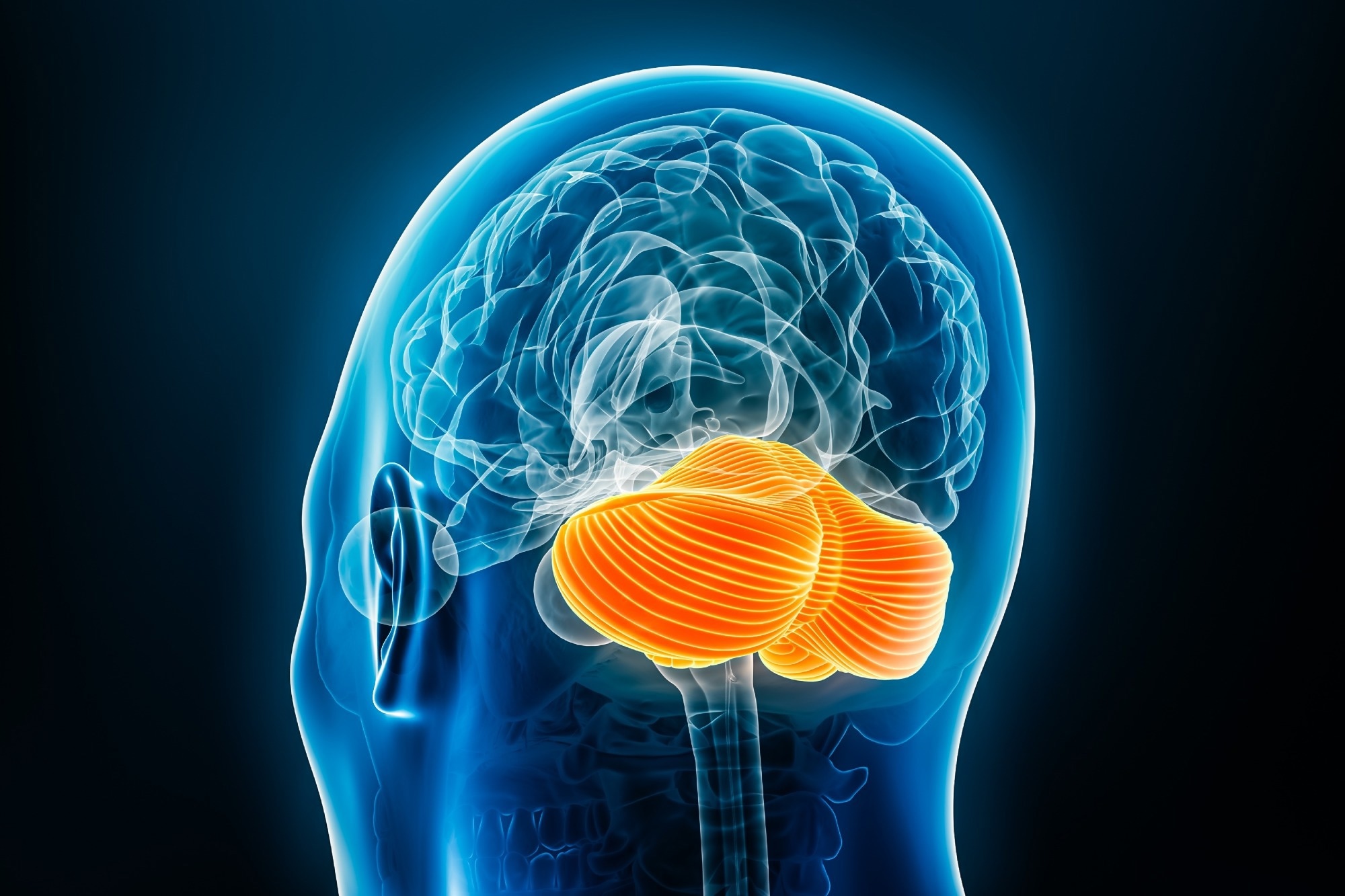
The Cerebellum May Help Aging Brains Stay Sharper
Recent neuroimaging research indicates that the cerebellum—long associated primarily with motor control—plays a significant role in maintaining cognitive resilience during the aging process. A study published in Nature Neuroscience suggests that cerebellar volume and connectivity may act as a compensatory mechanism, potentially delaying the onset of age-related cognitive decline by reinforcing neural pathways in the prefrontal cortex.
Key Clinical Takeaways:
- Research identifies the cerebellum as a critical hub for cognitive preservation, not just motor coordination.
- Structural integrity in the cerebellum correlates with higher executive function scores in older adults.
- Targeted cognitive and physical interventions may leverage cerebellar plasticity to mitigate neurodegenerative risks.
Biological Mechanisms of Cerebellar Cognitive Compensation
The cerebellum contains more than half of the neurons in the human brain, yet its contribution to higher-order cognition has historically been underestimated. According to the research team led by scientists at Washington University in St. Louis and funded by the National Institute on Aging (NIA), the cerebellum engages in a “feed-forward” loop with the frontal lobes. This connectivity allows the brain to optimize processing speeds even as cortical thinning occurs due to natural aging.

“We are observing that the cerebellum functions as a scaffold for cognitive stability,” notes Dr. Elena Rossi, a cognitive neurologist not involved in the study. “When cortical networks begin to show signs of senescence, the cerebellum increases its metabolic activity to maintain the fidelity of executive functions such as working memory and inhibitory control.”
The study utilized longitudinal data from 500 participants, tracking structural MRI changes over a five-year period. Researchers observed that individuals who maintained higher gray matter density in the cerebellar vermis displayed a significantly slower rate of decline in standardized cognitive testing, including the Mini-Mental State Examination (MMSE).
Diagnostic Implications for Neurodegenerative Pathogenesis
The clinical significance of this finding lies in the potential for earlier diagnostic screening. Current standard-of-care protocols often prioritize hippocampal volume when assessing the risk of Alzheimer’s disease or mild cognitive impairment (MCI). However, this new data suggests that cerebellar atrophy might serve as an earlier biomarker for impending cognitive shifts.
For patients exhibiting early-stage memory lapses or executive function deficits, clinicians may need to shift focus toward a more comprehensive neuroimaging assessment. Patients concerned about cognitive trajectory should seek evaluation from board-certified neurologists specializing in geriatric cognitive health to determine if their current care plan incorporates cerebellar-focused neuro-rehabilitation.
Integrating Cerebellar Plasticity into Clinical Practice
The capacity for the cerebellum to adapt suggests that non-pharmacological interventions, such as high-intensity balance training and complex motor-cognitive tasks, may provide a neuroprotective benefit. These activities require the cerebellum to integrate sensory input with motor output, effectively “exercising” the circuitry linked to cognitive resilience.
“The takeaway for clinical practitioners is that the brain’s resilience is not localized solely to the hippocampus,” says Dr. Marcus Thorne, a neuroscientist at the University of Cambridge. “We must expand our therapeutic scope to include the cerebellum, especially when designing physical therapy regimens for aging populations.”
As the medical community moves toward more personalized medicine, the integration of cerebellar health into standard wellness assessments becomes a matter of clinical priority. Healthcare providers are encouraged to review the latest WHO guidelines on risk reduction for cognitive decline to understand how physical engagement impacts long-term neural health.
The Future of Targeted Neuro-Therapeutics
Future research will likely focus on whether deep brain stimulation (DBS) or non-invasive transcranial magnetic stimulation (TMS) directed at the cerebellum can slow the progression of neurodegenerative diseases. Pharmaceutical entities and research clinics currently involved in phase-II trials for cognitive enhancers are already re-evaluating their trial protocols to include cerebellar connectivity as a secondary endpoint.
Navigating these emerging diagnostic and therapeutic options requires a high level of clinical expertise. Organizations and families looking to stay ahead of the curve in neuro-diagnostic technology should consult with specialized diagnostic centers capable of performing high-resolution structural and functional neuroimaging. Establishing a baseline for cerebellar health before the onset of symptomatic decline may eventually become a standard component of preventative geriatric medicine.
Disclaimer: The information provided in this article is for educational and scientific communication purposes only and does not constitute medical advice. Always consult with a qualified healthcare provider regarding any medical condition, diagnosis, or treatment plan.