
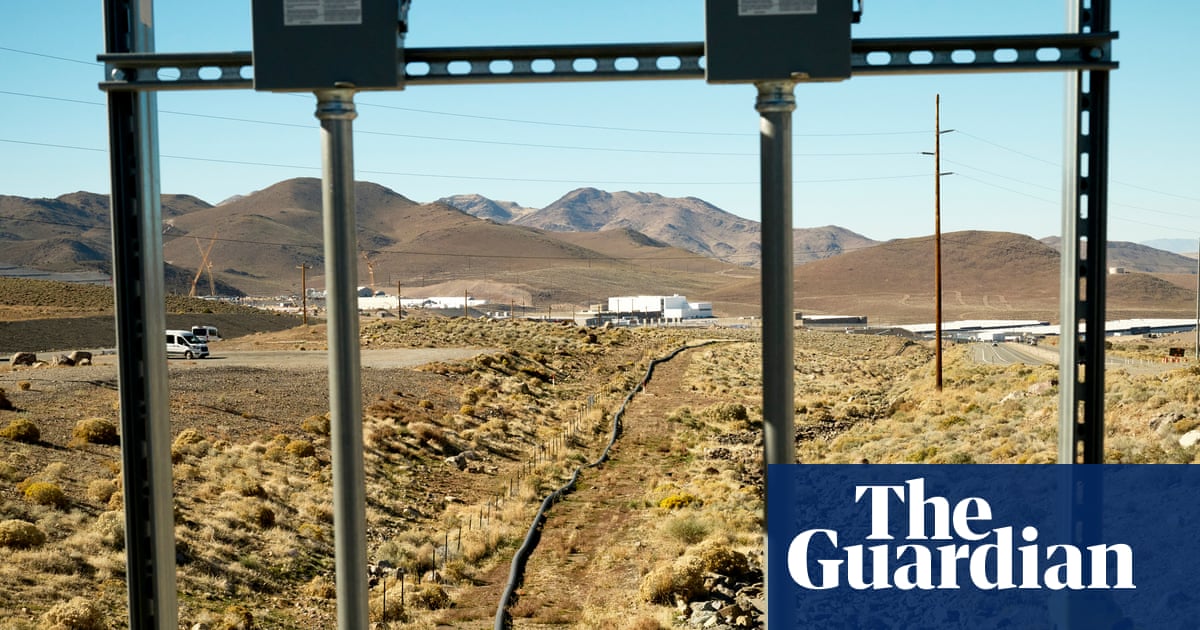
Storey County, Nevada – A modern gold rush is underway in the high desert of Nevada, fueled not by precious metals but by artificial intelligence. The Tahoe-reno Industrial Center, a sprawling 107,000-acre park east of reno, is rapidly becoming a magnet for data center developers seeking land and power to support the burgeoning AI industry, raising concerns about strain on local resources and the delicate balance between technological advancement and the region’s unique ecosystem.
The influx of investment, driven by companies like Google and Amazon, is transforming the landscape and sparking debate over the sustainability of this rapid growth. While local officials and developers tout economic benefits, residents of nearby Pyramid Lake are already experiencing rolling brownouts, and the future of wild horse populations-a surprising symbol of the area’s identity-hangs in the balance. This growth represents a pivotal moment for the American West, testing its capacity to accommodate the massive energy and infrastructure demands of the next technological revolution.
Kris Thompson, a local land broker, reports that approximately 75% of his inquiries now come from businesses looking to establish data centers within the industrial center. The park’s appeal lies in its relatively affordable land, favorable tax climate, and proximity to Reno-Tahoe International Airport. However,the sheer scale of the demand is creating challenges.
“Right around 5 o’clock,everybody gets home,and the power will dip multiple times,” said Wadsworth,a resident of the Pyramid Lake Paiute Tribe reservation,describing common summer brownouts. He fears the situation will worsen as more data centers come online, stating, “We just don’t have the power capacity to keep running all of these things.”
the industrial center isn’t solely focused on technological advancement. Thompson emphasizes the importance of preservation,pointing to clusters of pinyon pines and rabbitbrush alongside grazing wild horses. These horses, descendants of those brought by Spanish conquistadors, are a fixture of Nevada’s deserts and, surprisingly, a source of affection for the tech companies themselves.
“You know, these tech rogues see themselves in the wild horses,” Thompson said.”They’re independent, they’re running free, they’re self-reliant, they’re doing their own thing.” Though, the growing herds can also cause ecological damage, trampling the natural landscape-a point of contention highlighted by some environmental groups. The future of these horses, and the delicate ecosystem they inhabit, remains uncertain as the AI boom continues to reshape the American West.
