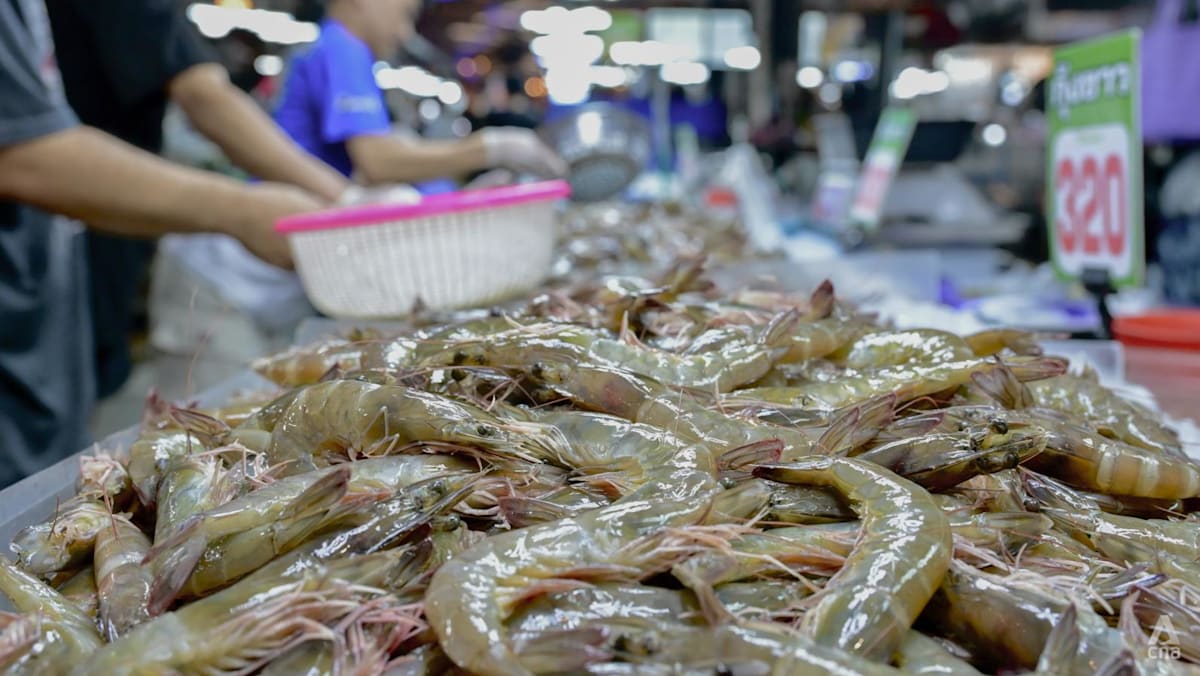
Thai-Malaysia Trade War: Shrimp & Seabass Exports Spark Protectionist Tensions
Thai and Malaysian seafood traders are locked in a worsening dispute over shrimp and seabass exports, with both nations imposing retaliatory tariffs and trade restrictions that threaten regional supply chains. The row escalates as Thailand’s Board of Investment reports a 23% drop in seafood shipments to Malaysia this quarter, while Malaysian customs data shows a 15% surge in illegal cross-border fishing permits. At stake: $1.2 billion in annual trade, and the livelihoods of 80,000 small-scale fishermen across the Strait of Malacca.
Why are Thailand and Malaysia clashing over seafood?
The dispute centers on two key products: frozen tiger shrimp and seabass fillets, both critical to Malaysia’s food security and Thailand’s agricultural exports. Thailand accuses Malaysian authorities of deliberately underreporting seafood imports to inflate domestic production quotas, while Malaysia claims Thailand is dumping subsidized seafood to undercut local prices. The conflict traces back to a 2024 ASEAN trade agreement revision that failed to address small-scale fishery protections, leaving loopholes for both nations to exploit.
“This isn’t just about tariffs—it’s about who controls the Strait of Malacca’s fishing grounds. If Malaysia wins, Thai fishermen lose access to their traditional waters. If Thailand wins, Malaysian processors face crippling costs.”
How did this escalate so quickly?
Trade tensions flared after Malaysia’s Ministry of Trade announced a 40% tariff on Thai shrimp imports in May, citing “unfair subsidies.” Thailand retaliated with a 25% duty on Malaysian seabass, arguing the move violated WTO non-discrimination rules. The back-and-forth has created a logistical nightmare for exporters. In Phuket, Thailand, shrimp processors report a 30% increase in storage costs as shipments pile up at ports awaiting clearance.
| Product | Thai Export Volume (2025) | Malaysian Tariff (Post-May 2026) | Impact on Malaysian Retail Prices |
|---|---|---|---|
| Frozen Tiger Shrimp | 120,000 metric tons | 40% | +22% (per kg) |
| Seabass Fillets | 85,000 metric tons | 25% | +18% (per kg) |
Source: Malaysian Trade Department and Thai Board of Investment (June 2026)
Who loses the most?
Small-scale fishermen in Satun Province, Thailand, and Johor Bahru, Malaysia, bear the brunt. A survey by the FAO found that 68% of Thai shrimp trawlers now operate at a loss, while Malaysian seabass fishermen report a 40% drop in catches due to increased patrols near disputed waters. The conflict has also triggered a black-market surge: illegal fishing permits in the Strait of Malacca jumped 50% in June, according to ASEAN Fisheries Monitoring.
“Our families have fished these waters for generations. Now, we’re caught between two governments that don’t care about our survival. The only solution is a joint patrol agreement—but neither side will compromise.”
What happens next?
Both nations are preparing for prolonged trade warfare. Thailand’s Ministry of Foreign Affairs has signaled it may escalate to the WTO Dispute Settlement Body, while Malaysia’s Ministry of International Trade is drafting emergency food security laws to bypass ASEAN trade rules. The longer the dispute drags on, the higher the risk of supply chain disruptions across Southeast Asia. Supermarkets in Singapore and Indonesia are already stockpiling seafood, with prices rising by 12% in the past month.
For traders and fishermen, navigating this uncertainty requires legal and logistical expertise. Thai exporters are consulting specialized trade law firms to challenge the Malaysian tariffs, while Malaysian processors are turning to supply chain risk consultants to reroute shipments. Meanwhile, coastal communities are seeking fisheries advocacy groups to mediate access to shared waters.
The bigger picture: ASEAN’s protectionist trap
This dispute is a microcosm of a broader trend: ASEAN nations are increasingly turning inward. Since 2023, ASEAN’s economic integration score has dropped by 8%, as members prioritize domestic industries over regional trade. The seafood row highlights a critical flaw: without enforceable dispute mechanisms, even small conflicts can spiral into costly protectionism. For businesses operating in the region, the lesson is clear—diversify suppliers now, before the next trade war erupts.
The Strait of Malacca’s fishing grounds may be the battleground today, but the real casualties will be the consumers and workers left in the crossfire. As tariffs rise and permits vanish, the only winners are the lawyers and lobbyists—while the rest of Southeast Asia pays the price.