
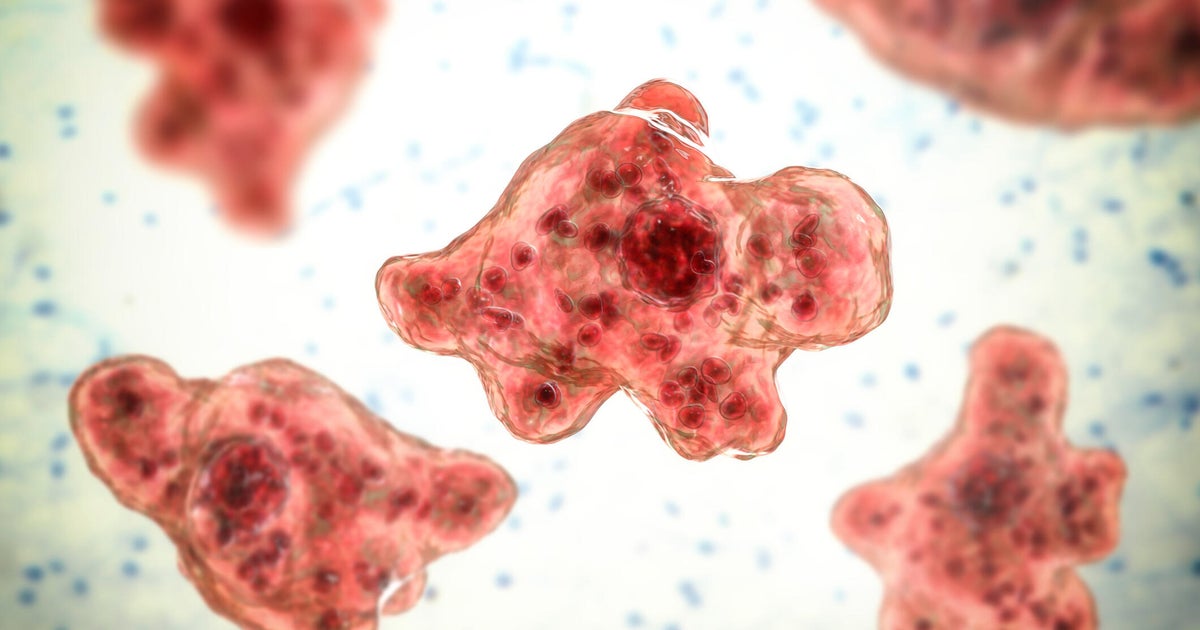
Texas Tragedy: Brain-Eating Amoeba Claims Life After Nasal Rinse
AUSTIN – May 9, 2024 – the tragic death of a Texas woman has been attributed too a brain-eating amoeba, *Naegleria fowleri*, contracted through the use of tap water during a nasal rinse. The Centers for Disease Control and Prevention (CDC) reported the fatal infection. The incident underscores the significance of safe water practices. To learn more, read on.
Tragedy in Texas: brain-eating Amoeba Claims Life After Nasal Rinse
A Texas womanS life was tragically cut short due to a rare but devastating infection caused by a brain-eating amoeba. The Centers for Disease Control and Prevention (CDC) reports that the infection stemmed from using tap water in a nasal irrigation device.
The Culprit: Naegleria Fowleri
The woman succumbed to primary amebic meningoencephalitis (PAM), a brain infection caused by the Naegleria fowleri amoeba. A case report released by the CDC details the incident, highlighting the severity of this rare condition.
Did You Know?
PAM is almost always fatal. Early diagnosis and treatment are crucial, but even with medical intervention, survival rates remain low.
Timeline of the Infection
- Day 1-4: A previously healthy 71-year-old woman began experiencing severe symptoms, including fever, headache, and altered mental status, just days after using the nasal irrigation device.
- Day 8: Despite medical intervention aimed at treating a suspected PAM infection,the woman’s condition deteriorated rapidly. She developed seizures and died.
Source of the Infection: RV Water System
The tap water used for the sinus rinse was sourced from an RV’s water system at a campground in Texas, according to the CDC case report. This detail underscores the importance of water quality in nasal irrigation practices.
CDC recommendations for Safe Nasal Irrigation
To prevent such tragedies,the CDC emphasizes the use of safe water sources for nasal rinsing. The agency recommends:
- Distilled water
- Sterile water
- Tap water that has been boiled and cooled
Pro Tip:
Always follow the manufacturer’s instructions for your nasal irrigation device. Proper cleaning and maintenance can also help reduce the risk of infection.
Beyond Nasal Irrigation: Recreational Water Risks
PAM is often linked to recreational water activities. The amoeba thrives in warm freshwater environments, such as lakes, rivers, and hot springs. Infection occurs when water containing the amoeba enters the nose and travels to the brain.
Protecting Yourself During Water Activities
The CDC offers the following recommendations to minimize the risk of infection during recreational water activities:
- Hold your nose or wear a nose clip when jumping or diving into fresh water.
- Keep your head above water in hot springs and other warm freshwater bodies.
Other Potential sources of Infection
While less common, infections have also been linked to pools and splash pads with inadequate chlorine levels, according to the CDC.
Significant Clarifications
It is crucial to understand that Naegleria fowleri infections cannot be contracted by:
- Swallowing contaminated water
- Contact with an infected person
