Tesla Unveils All-New Roadster with SpaceX Thrusters and Sub-Second Acceleration
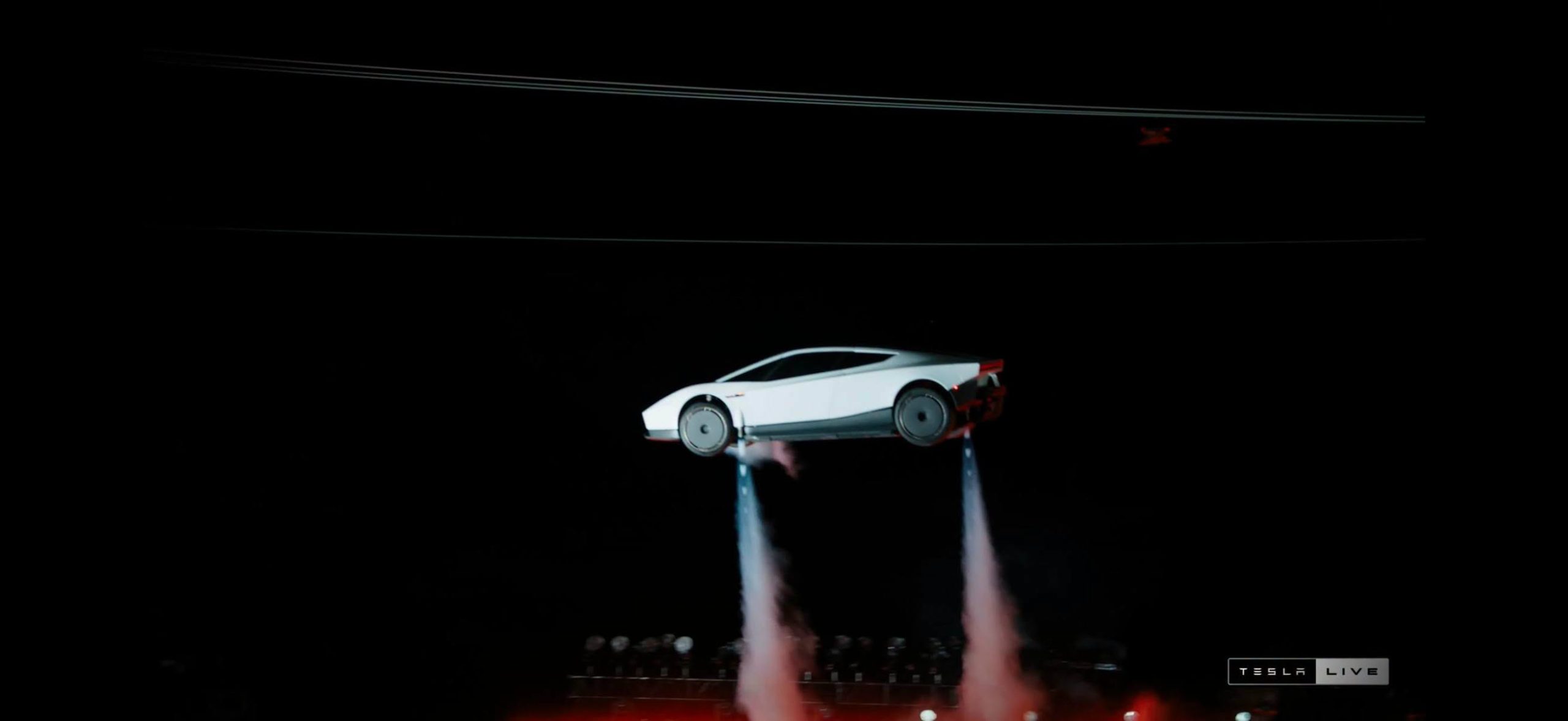
Tesla unveiled the second-generation Tesla Roadster at the SpaceX test site in McGregor, Texas, showcasing a high-performance electric sports car equipped with cold-gas thrusters and aerodynamic suction systems.
Tesla Schedules Roadster Production for 2028
The vehicle’s path to production has faced extended delays since its initial prototype appearance in November 2017. Tesla scheduled initial production for 2020 before pushing the timeline repeatedly. During the recent unveiling, Chief Executive Elon Musk stated that the Roadster will officially enter production in 2028, according to reporting by Manager Online.
Despite the lack of a finalized retail price, Tesla opened reservations globally. In Thailand, Tesla’s official portal initiated pre-orders requiring a phased deposit structure. Customers reserving the Performance variant must pay 178,000 Thai Baht initially, followed by an additional 1,598,000 Baht within ten days, bringing total reservation outlays to 1,776,000 Baht, Manager Online noted. Meanwhile, the Thrust variant requires a subsequent payment of 8,695,000 Baht within ten days for a cumulative deposit of 8,873,000 Baht.
Real life, baby pic.twitter.com/3QEqn18wig
Performance Specifications Across Three Model Tiers
The lineup divides into three distinct tiers with varying acceleration capabilities and seating configurations. The entry-level Performance variant seats two passengers and is built for public roads, achieving a 0 to 96 km/h (0 to 60 mph) acceleration time under 1.6 seconds, iMoD reported. The mid-tier Thrust variant also features two seats, adds rear-mounted cold-gas thrusters for track use, and achieves 0 to 96 km/h in under 0.9 seconds in limited release. The top-tier Rocket variant reduces capacity to a single fixed seat, integrates thrusters around the entire vehicle, and accomplishes the 0 to 96 km/h sprint in under 0.59 seconds with a top speed exceeding 370 km/h (230+ mph), though it remains restricted from public roads.
Aerodynamic engineering distinguishes the chassis architecture across all variants. The exterior utilizes an Ano White finish designed to resist ultraviolet radiation and extreme thermal environments, paired with copper-tinted glass inspired by astronaut helmet visors. The structural framework relies on carbon fiber, magnesium, and titanium to minimize curb weight. highlighted that the cold-gas thruster system utilizes ten nozzles supplied by a carbon-overwrapped pressure vessel (COPV) tank containing approximately 250 kilograms of compressed gas, generating downforce up to 2Gs—sufficient to allow inverted driving under specific track conditions.

Live Demonstration Features Suction System and Range Disputes
The live demonstration in Texas featured dynamic maneuvers, including vertical elevation, mid-air rotation, and short jumps over stationary vehicles. reported that the vehicle executed these movements under its own power during the live presentation rather than relying on pre-recorded media. The multi-mode suction system beneath the floor pan creates localized low pressure, anchoring the vehicle to prepared surfaces during high-load track demonstrations.
Discrepancies remain regarding the vehicle’s driving range compared to initial 2017 specifications. While the original prototype targeted a 620-mile (nearly 1,000 kilometer) range, updated data published after the event indicates a revised driving range of more than 300 miles (approximately 483 kilometers) per charge, as detailed by Manager Online. Tesla has not yet disclosed battery pack capacities, official regulatory test cycles, motor power outputs, or charging durations.