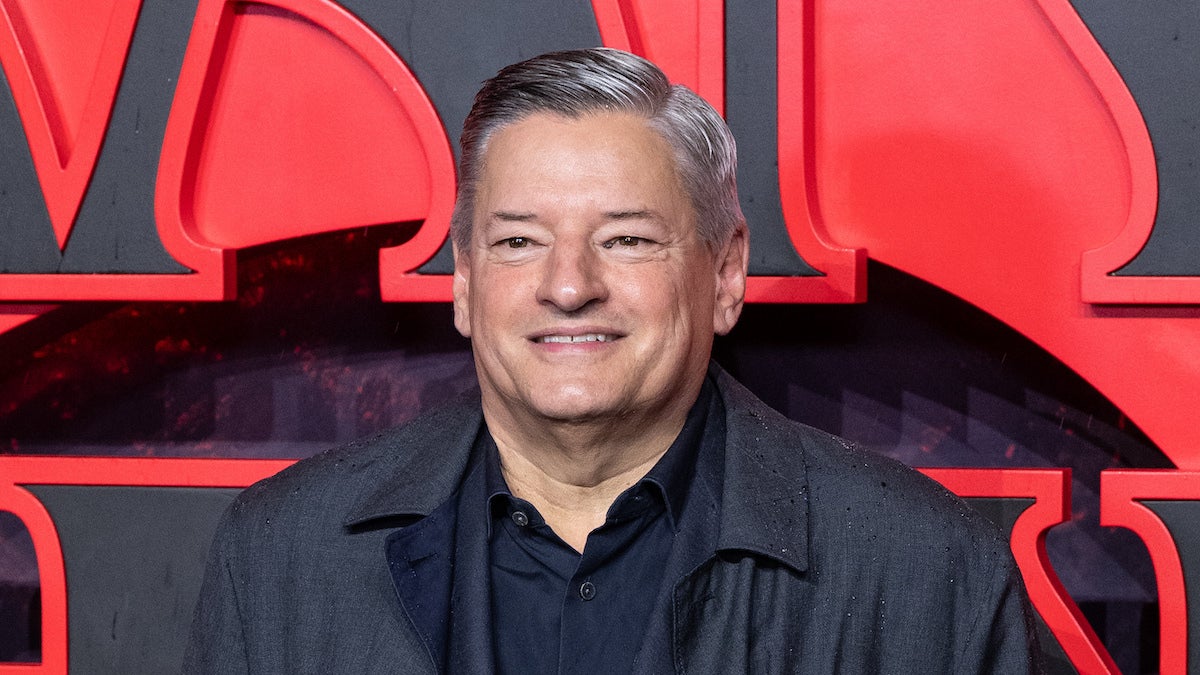
Ted Sarandos Shifts Stance on Theatrical Releases at CinemaCon
Netflix CEO Ted Sarandos is signaling a strategic pivot toward theatrical distribution after meeting with theater owners at CinemaCon. This move suggests a shift in Netflix’s “streaming-first” dogma, potentially embracing hybrid release windows to maximize intellectual property value, drive brand equity, and capture the prestige of the big screen.
For years, the tension between the “disruptor” and the “exhibitor” has been the defining conflict of the digital era. Netflix entered the fray by treating cinema as a mere marketing billboard for its SVOD (Subscription Video On Demand) library. But as we move through the mid-spring corridor of 2026, the math has changed. The industry is no longer debating if streaming killed the cinema, but rather how the two can coexist in a symbiotic, albeit fragile, ecosystem. Sarandos isn’t just shaking hands with exhibitors; he’s acknowledging that the “eventization” of content is the only way to combat the plateauing growth of global subscriber numbers.
The business problem here is simple: saturation. When every household has three different streaming apps, the perceived value of a digital release drops. A theatrical window creates a scarcity that elevates a film from “content” to “cinema,” fundamentally altering the backend gross and the long-term viability of a franchise. This pivot requires a sophisticated navigation of theatrical windows—the period between a movie’s cinema debut and its digital arrival—which often triggers fierce disputes over revenue sharing and copyright infringement risks.
The Economics of the Hybrid Pivot
To understand why Sarandos is playing nice with CinemaCon, one must look at the cold, hard numbers. According to the latest Comscore box office receipts, “event” cinema—high-concept IP with massive visual scale—continues to outperform mid-budget dramas by a staggering margin. Netflix has spent billions on “prestige” cinema that often vanishes from the cultural conversation within 72 hours of its digital drop. By shifting toward a theatrical model, Netflix can leverage the “Halo Effect,” where a successful theatrical run increases the viewership metrics of the film once it finally hits the platform.
This transition isn’t without its legal landmines. Moving from a closed-loop ecosystem to a third-party distribution model introduces complex residuals and syndication agreements. When a studio decides to pivot its distribution strategy mid-stream, they often find themselves in the crosshairs of talent agents fighting for theatrical bonuses. This is precisely why major studios are increasingly relying on specialized intellectual property attorneys to restructure contracts that were originally written for a streaming-only world.
| Metric | Streaming-Only Model | Hybrid Theatrical Model | Impact on Brand Equity |
|---|---|---|---|
| Initial Reach | Immediate Global Access | Staged Regional Rollout | Higher Perceived Prestige |
| Revenue Stream | Subscription Fees (SVOD) | Ticket Sales + SVOD | Diversified Income |
| Cultural Longevity | Short-term Viral Spike | Sustained Award Campaign | Increased IP Value |
| Marketing Cost | Algorithm-Driven | Traditional P&A Spend | Broader Mass-Market Awareness |
Navigating the Exhibitor Minefield
The relationship between Netflix and theater owners has historically been one of mutual suspicion. Exhibitors view Netflix as the wolf at the door; Netflix viewed theaters as an obsolete gatekeeper. However, the current climate demands a truce. For the theater owners, Netflix represents a goldmine of high-budget content that can fill empty seats. For Sarandos, the theaters provide the one thing an algorithm cannot: a shared, collective cultural experience.
“The industry is witnessing the death of the ‘streaming war’ and the birth of the ‘distribution compromise.’ Netflix has realized that the big screen isn’t a competitor; it’s the ultimate promotional tool for the home screen.” — Marcus Thorne, Senior Distribution Strategist at Global Media Partners
This strategic realignment necessitates a massive upgrade in logistical coordination. A wide theatrical release isn’t just about shipping files; it’s about the synchronized dance of global premieres, red-carpet events, and localized marketing blitzes. The scale of these operations is immense, often requiring the expertise of global event management firms capable of handling the security and hospitality requirements of A-list talent in multiple time zones.
the shift toward theatricals puts a spotlight on the “awards game.” As documented in Variety’s analysis of Academy Award trends, the prestige associated with a theatrical run remains a prerequisite for the kind of Oscar glory that attracts top-tier showrunners and directors. If Netflix wants to continue poaching the world’s greatest filmmakers, they must provide a venue that respects the medium of cinema.
The Strategic Ripple Effect
As Netflix integrates more deeply with the theatrical circuit, we can expect a ripple effect across the entire media landscape. This isn’t just about movies; it’s about the lifecycle of intellectual property. We are likely to see a new era of “windowing” where content is tiered: a limited theatrical run, a premium VOD (PVOD) window, and finally, the SVOD landing. This maximizes the monetization of every single frame of film.
However, this transition is fraught with PR peril. If Netflix pushes a film into theaters and it flops, the failure is public and quantifiable—unlike the opaque “viewership hours” reported by streaming platforms. To mitigate this, the company will need to be surgically precise with its branding. When a high-profile release fails to meet expectations, the fallout can damage the perceived value of the entire brand. In these moments, the move is rarely a simple press release; it’s a coordinated effort by elite crisis communication firms to pivot the narrative from “box office bomb” to “experimental distribution.”
“The risk for Netflix is that by entering the theatrical arena, they are now playing a game where the rules are written by the exhibitors. They’ve traded the safety of their own walled garden for the volatility of the open market.” — Elena Rodriguez, Entertainment Analyst at MediaMetrics
Looking at the broader trajectory, the “Sarandos Shift” is a symptom of a larger industry correction. The bubble of infinite growth in streaming has burst, and the industry is returning to a hybrid model that prizes versatility over purity. Whether it’s through the lens of The Hollywood Reporter’s financial breakdowns or the sheer volume of ticket sales, the evidence is clear: the big screen still holds the keys to cultural dominance.
The future of entertainment will not be decided by who has the best algorithm, but by who can best navigate the tension between accessibility and exclusivity. As Netflix ventures further into the world of cinema, the need for vetted, high-level professional support—from IP lawyers to global logistics experts—will only intensify. For those operating within this volatile ecosystem, finding the right partners is the difference between a historic hit and a costly misstep. Whether you are a producer scaling a franchise or a studio navigating a merger, the World Today News Directory remains the definitive resource for connecting with the architects of the modern media landscape.
Disclaimer: The views and cultural analyses presented in this article are for informational and entertainment purposes only. Information regarding legal disputes or financial data is based on available public records.