Tasting North Korean Dog Meat Soup in Dandong: A Culinary Journey at Pyongyang Koryo Restaurant
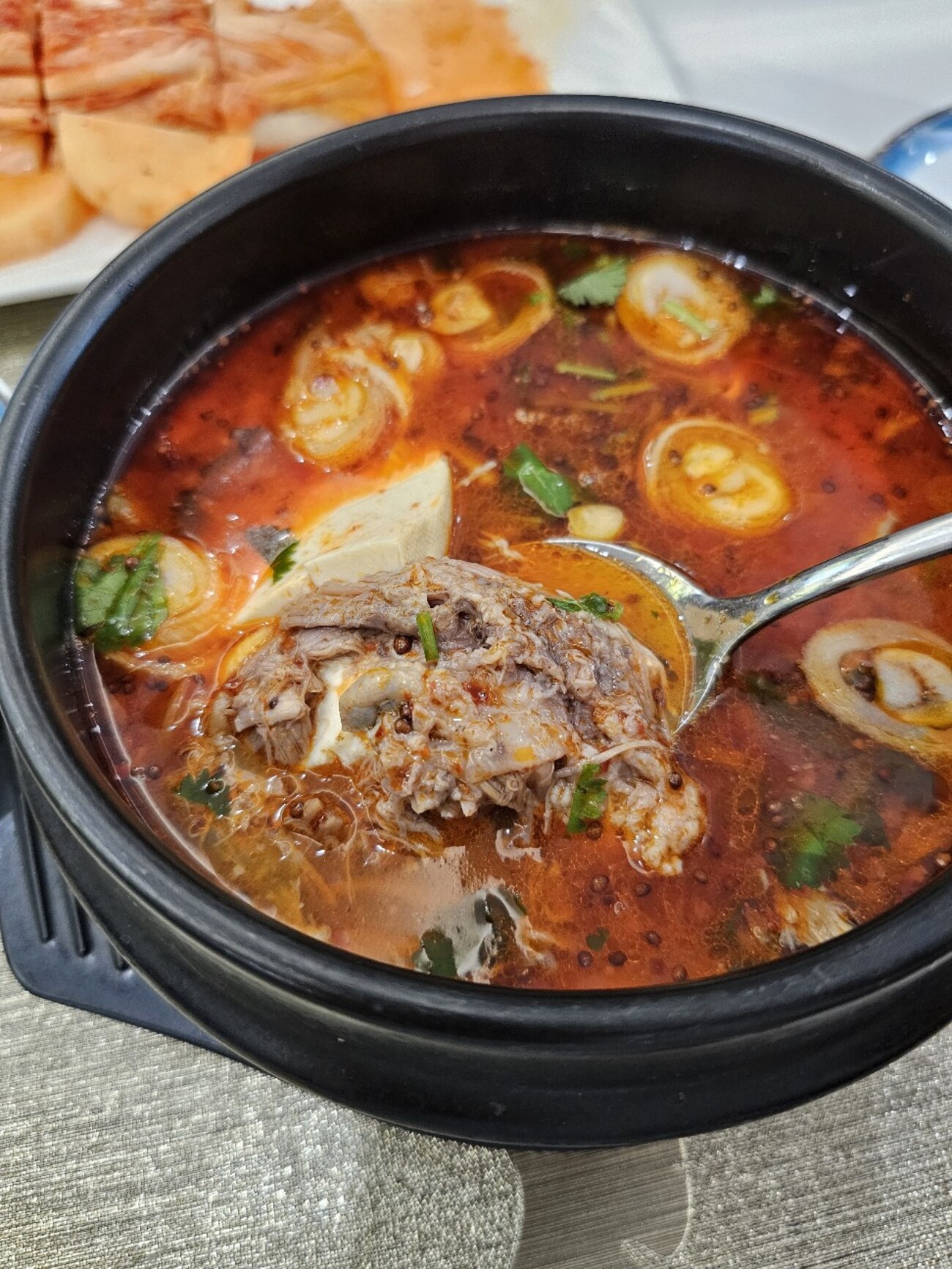
At the Pyongyang Koryo Restaurant in Dandong, China, travelers cross the border through food by ordering dog meat soup, a traditional Korean dish known as dandogitang, priced at 58 yuan. Kosupatravel.com reported on the culinary experience inside the North Korean state-run establishment, detailing the restaurant’s atmosphere, menu, and the regional status of canine consumption.
Border Cuisine and Regional Ingredients in Dandong
Dandong sits directly on the border between China and North Korea, offering views of the neighboring country across the river alongside a concentration of Korean restaurants. Kosupatravel.com noted that the city hosts several establishments carrying North Korean names, including the Pyongyang Koryo Restaurant, locally known as the Dandong Koryo Hotel. The venue features an illuminated exterior and a spacious interior complete with a stage and mirror ball, though musical and dance performances by North Korean staff have been suspended for roughly six months due to tourism declines and staffing shortages following the pandemic.
Staff members inside the restaurant maintain a reserved demeanor, and management displays signs prohibiting the photography of employees. Diners can use Chinese and Korean text alongside photographs to read the menu. Alongside the 58-yuan dog meat tofu soup, the kitchen serves pollack roe soup at 48 yuan, spicy beef soup at 58 yuan, and oxtail soup. For patrons seeking local seafood, steamed clams run 136 yuan, while meals are frequently paired with ginseng-infused soju featuring a yellowish tint and sediment.

North Korean Dog Meat Traditions Contrast with South Korean Laws
In the Korean Peninsula, dog meat is termed dangogi, translating literally to sweet meat to denote a prized flavor. Kosupatravel.com reported that tour drivers in Dandong described dog meat, kimchi, soju, and sundae as staples of the North Korean diet, emphasizing that restaurant suppliers use animals specifically raised for consumption rather than stray dogs to meet hygiene standards.
This culinary tradition contrasts with shifting laws in South Korea, where legislation passed in 2024 outlaws the breeding, distribution, and sale of dog meat for consumption, with a full ban taking effect in 2027. Meanwhile, the practice remains part of daily cuisine in North Korea and across China’s northeastern provinces, where ethnic Korean communities reside.

Tasting the Traditional Menu
The meal at the Pyongyang Koryo Restaurant begins with simple cabbage and radish kimchi featuring a straight, salted flavor profile distinct from sweeter commercial varieties. Bowls arrive filled with white rice mixed with millet grains alongside roasted grain tea.
The dog meat tofu soup is served piping hot in a traditional stone pot containing chili-infused broth, green onions, tofu, and cilantro. Kosupatravel.com described the meat as thoroughly stewed and comparable in texture and flavor to beef cheek, breaking apart easily upon tasting without gamey odors or heavy grease. The spicy broth, grains, salted kimchi, and ginseng soju complete a traditional regional meal format.