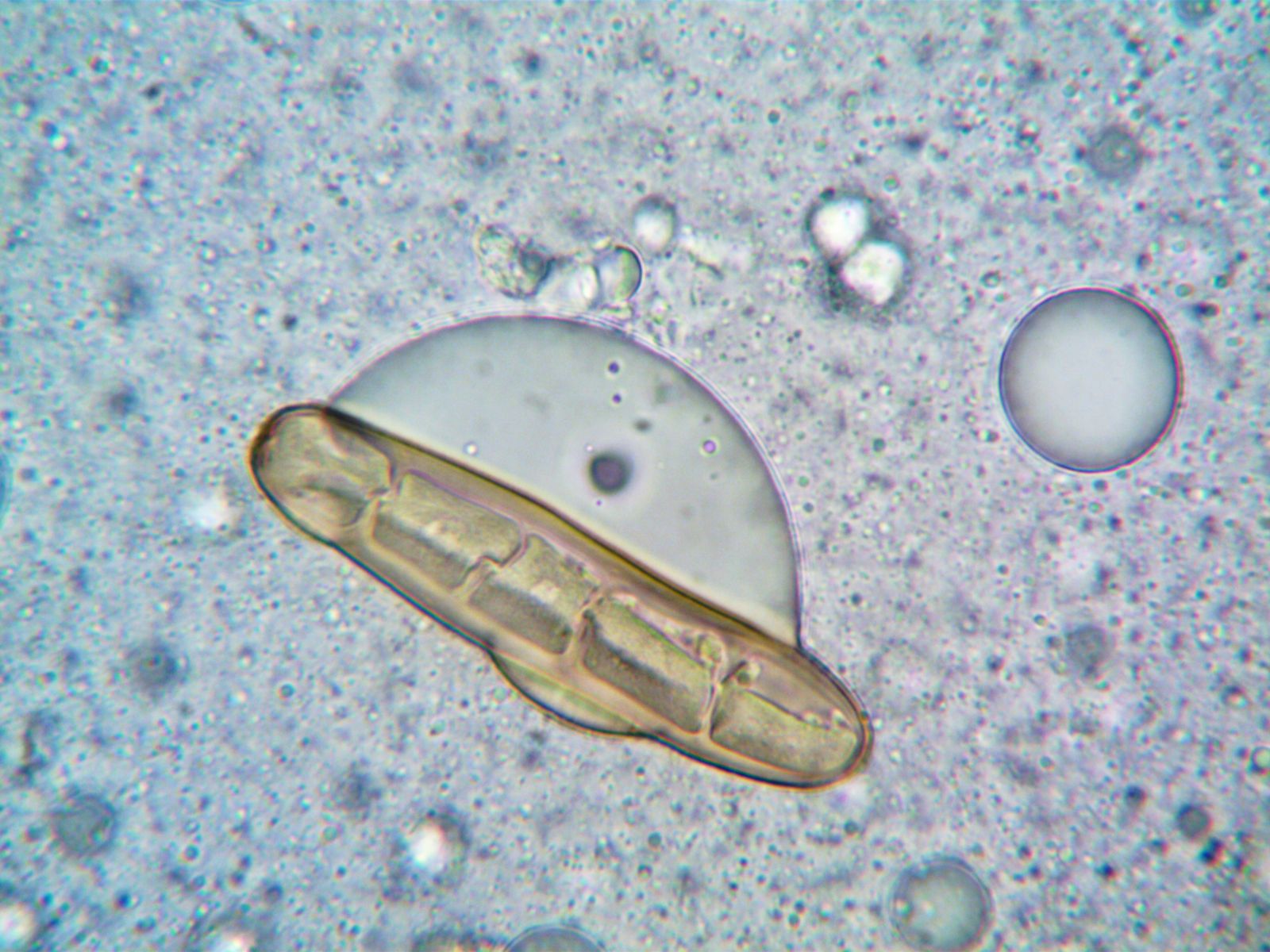
Tardigrades: The Indestructible Micro-Animals That Survive Space and Absolute Zero
Tardigrades extracted from Antarctic moss can survive a decade without water, temperatures approaching absolute zero, and 10-day exposures to the open vacuum of space, according to reports from spacewar.com. These organisms achieve this by entering a state called anhydrobiosis, curling into a dehydrated husk known as a “tun” to pause metabolic activity until environmental conditions improve.
- The Tech TL;DR:
- Vitrification: Tardigrades replace cellular water with a glassy matrix of disordered proteins and sugars to prevent structural collapse.
- Dsup Protein: A specialized “damage suppressor” protein binds to DNA to shield chromosomes from radiation and dehydration.
- Two-Tiered Strategy: Species like R. varieornatus maintain protective proteins on standby, allowing for immediate survival during sudden desiccation.
The Biological Bottleneck: Solving the Dehydration Crash
In standard biological systems, dehydration causes cellular membranes to fuse and proteins to aggregate into useless tangles, effectively “crashing” the organism. According to siliconcanals.com, tardigrades bypass this failure point through vitrification. As the animal dries, its musculature actively folds the cuticle inward to reduce surface area and slow water loss. Inside the cell, the organism replaces the hydrogen bonds typically provided by water with a rigid, transparent, and chemically inert glassy matrix.
This biological “fail-safe” is managed by two families of intrinsically disordered proteins: Cytoplasmic Abundant Heat Soluble (CAHS) and Secretory Abundant Heat Soluble (SAHS). While these proteins remain shapeless in hydrated states, siliconcanals.com reports they snap into amphiphilic α-helices during desiccation, creating an internal scaffolding that holds membranes apart.
Comparative Survival Architectures: H. dujardini vs. R. varieornatus
Not all tardigrades deploy the same survival stack. Comparative genomics reveals a split in deployment strategies between Hypsibius dujardini and Ramazzottius varieornatus. According to siliconcanals.com, H. dujardini requires a long preconditioning window to ramp up the expression of hundreds of genes before it can survive drying. In contrast, R. varieornatus keeps its protective machinery on standby, allowing it to survive sudden desiccation events without warning.
This “always-on” architecture makes R. varieornatus the primary subject for vacuum and radiation experiments. The species utilizes a tardigrade-specific protein called Dsup (damage suppressor), which binds directly to nucleosomes—the spools of DNA that make up chromatin—to shield the genome from chemical havoc.
| Feature | H. dujardini Strategy | R. varieornatus Strategy |
|---|---|---|
| Activation | Preconditioning required | Constitutive (Always-on) |
| Response Time | Slow/Gradual | Immediate |
| Primary Tool | Gene upregulation | Dsup protein & standby CAHS |
| Resilience | Moderate desiccation | Vacuum/Extreme Radiation |
Implementation: Simulating Molecular Stability
# Example: Filtering a genomic dataset for CAHS-related protein sequences
grep -E "CAHS|SAHS" protein_sequences.fasta | awk '{print $1}' > target_proteins.txt
echo "Filtered $(wc -l < target_proteins.txt) potential survival proteins."
The ability of these organisms to survive liquid helium at -272°C or doses of radiation that would kill a human a thousand times over, as cited by siliconcanals.com, suggests a blueprint for future bio-engineering. The transition from a hydrated state to a “tun” is essentially a reversible metabolic shutdown—a biological “sleep mode” that preserves the system state for decades.
