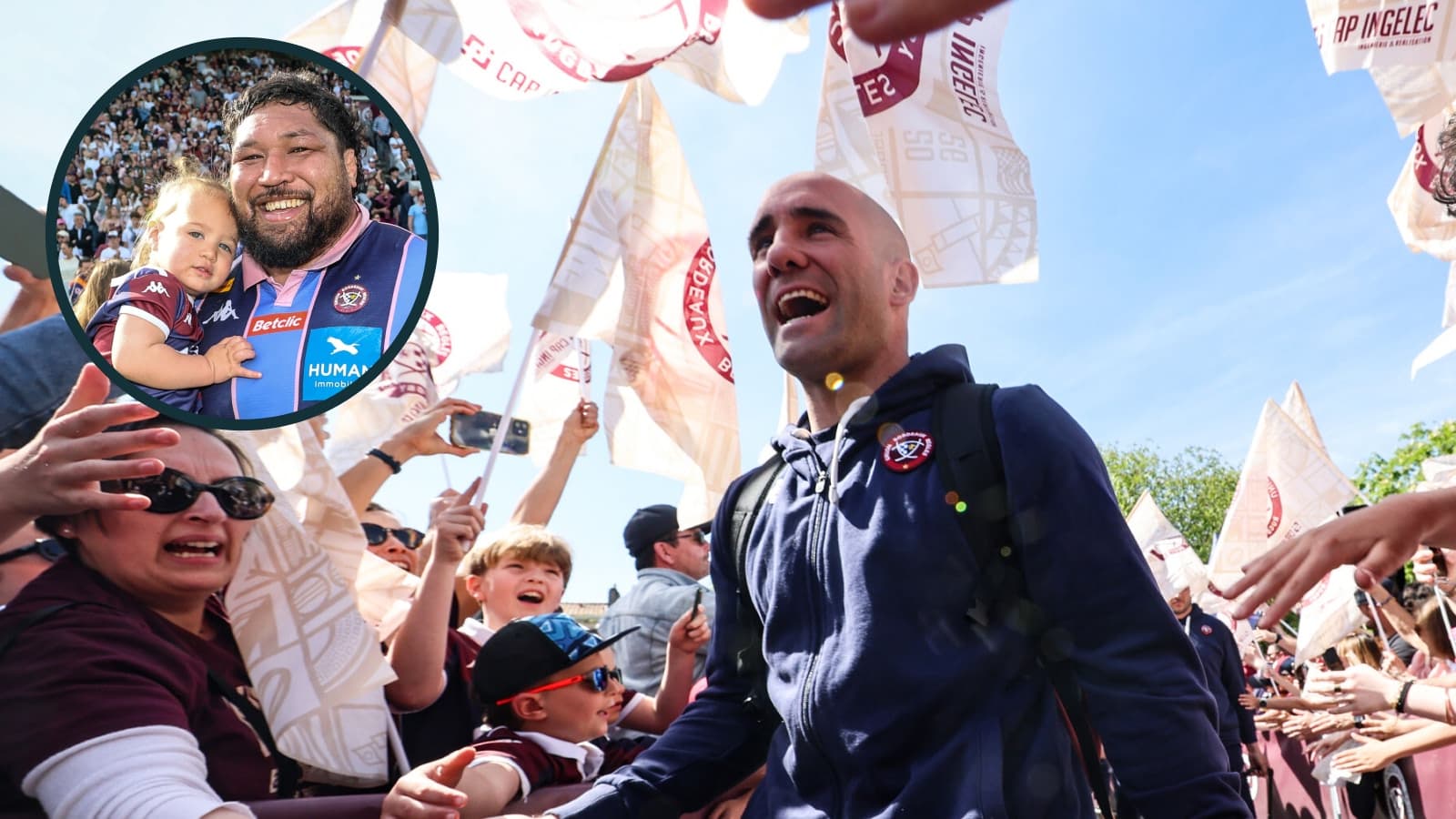
Tameifuna’s Power: What English Rugby Is Missing
Bordeaux Bègles prop Ben Tameifuna dominated the clash against Leicester, leveraging his 151kg frame to score a decisive try from 25 meters. This display of raw physicality highlights the tactical shift in Top 14 rugby, where sheer mass is utilized as a primary offensive weapon in the collision zone.
The modern game is increasingly defined by the “collision area,” a brutal intersection of physics and endurance where the gain line is won or lost. When a player of Tameifuna’s magnitude hits a defensive line, the objective shifts from tactical maneuvering to pure attrition. The problem for opposing defenses is not just the weight, but the momentum generated by a 151kg athlete capable of breaking tackles over a 25-meter stretch. This level of physicality creates a systemic strain on the human body, particularly in the scrum and during heavy carries, making high-performance recovery non-negotiable. Whereas elite professionals have internal medical teams, amateur athletes attempting to replicate this physicality in local leagues must prioritize access to local orthopedic specialists and rehab centers to manage the inevitable joint degradation associated with high-impact collisions.
The Biomechanics of the Heaviest Player on Earth
Analyzing the raw data provided by Wikipedia and reported by WalesOnline, Tameifuna stands at 1.83m (6ft) and weighs 151kg (approximately 24 stone). In the context of professional rugby, he is identified as the heaviest player on the planet. This density provides a distinct advantage in set-piece stability and short-yardage carries, effectively turning the prop position into a battering ram.

“Ben Tameifuna, prop and captain for Tonga, stands at 6 feet and weighs in at almost 24 stone – he’s the heaviest rugby player on the planet.”
The tactical application of this mass was on full display during the Bordeaux v Leicester encounter. A 25-meter carry by a prop is an anomaly in professional rugby, usually reserved for wingers or agile centers. Tameifuna’s ability to maintain velocity while absorbing contact from multiple defenders demonstrates a rare combination of mass and explosive power. This creates a “gravity effect” on the pitch, forcing the opposition to commit three or four defenders to a single carrier, thereby creating overlaps and space for the rest of the Bordeaux backline.
This disparity in size is further highlighted when compared to other “behemoths” of the game. For instance, Australia’s Will Skelton, while standing at a towering 6ft 8in and weighing nearly 23 stone, represents a different kind of physical threat—verticality and reach. Tameifuna, conversely, represents absolute mass. According to data from Ruck, he was the undisputed heavyweight champion of the 2023 Rugby World Cup, a title he maintains through his tenure at Bordeaux Bègles.
From the All Blacks’ Shadow to Tongan Leadership
Tameifuna’s career trajectory is a study in international eligibility and strategic movement. Born in New Zealand, he rose through the ranks at Hastings Boys’ High School and made his debut for Hawke’s Bay in 2010. His early potential was recognized by the New Zealand U20s in 2011 and a selection for the All Blacks training squad in May 2012. At the time, he was the heaviest member of the squad, yet he remained uncapped for New Zealand.
The pivot to represent Tonga on ancestry grounds in 2017 transformed his career, allowing him to evolve from a squad player into a national captain and a focal point of the Tongan international strategy. This shift in allegiance often involves complex legal navigations regarding international eligibility and contract renegotiations. For emerging athletes navigating similar transitions between national unions or professional leagues, securing specialized sports contract lawyers is essential to ensure that eligibility shifts do not compromise their professional earning potential or league standing.
His club journey reflects a similar pattern of high-value movement. After a successful stint with the Chiefs (2012–2015) and Waikato, he moved to the French Top 14, first with Racing 92 in Paris and subsequently signing with Bordeaux Bègles in May 2020. The French league’s appetite for massive, dominant props has made it the ideal environment for Tameifuna’s skill set, where the emphasis on the set-piece and physical dominance is paramount.
Regional Economic Impact and the Bordeaux Halo Effect
The presence of global stars like Tameifuna at Bordeaux Bègles does more than just secure wins on the pitch; it drives significant regional economic activity. High-profile fixtures, such as the clash against Leicester, transform the city of Bordeaux into a hub for sports tourism. The influx of traveling supporters and international media creates a massive logistical demand that extends far beyond the stadium walls.

This “halo effect” generates a surge in demand for high-end hospitality and secure event management. The franchise’s ability to attract top-tier talent ensures consistent sell-out crowds, which in turn forces the city to scale its infrastructure. This creates a lucrative vacuum for regional event security and premium hospitality vendors who must manage the overflow of thousands of fans and the security requirements of international athletes.
The sheer scale of Tameifuna’s impact is even place into perspective when compared to other sporting disciplines. As noted in reporting from The Times, the average Japanese sumo wrestler weighs approximately 23st 4lb—meaning Tameifuna operates at a weight class that rivals some of the most massive athletes in the world of professional sumo, while maintaining the cardiovascular capacity to compete in an 80-minute rugby match.
Tactical Outlook: The Future of the Heavy Prop
As we move further into the 2026 season, the “Tameifuna Model” of the prop—prioritizing absolute mass to disrupt the gain line—is being scrutinized by analysts. While the 25-meter smash is a highlight-reel moment, the long-term viability of such a physical profile depends on load management and periodization. The ability to maintain a 151kg frame while avoiding the “dead-cap” of injury-induced absence is the primary challenge for the Bordeaux medical staff.
Tameifuna’s trajectory suggests that as rugby becomes more congested, the value of a “pure” heavyweight increases. He is no longer just a scrummaging asset; he is a tactical weapon used to break the will of the opposition. Whether leading Tonga on the international stage or anchoring the Bordeaux scrum, his influence is measured in kilograms and meters gained.
For those looking to navigate the complexities of professional sports—from the medical requirements of high-impact athletes to the legalities of international transfers and the logistics of event hosting—the World Today News Directory remains the primary resource for connecting with vetted professionals in the sports business sector.
Disclaimer: The insights provided in this article are for informational and entertainment purposes only and do not constitute medical advice or sports betting recommendations.