

Pancreatic Cancer: New Genetic “STRESS UP” Signature Offers Hope for Early Detection
Scientists identify key gene activity linked to cancer development and treatment resistance.
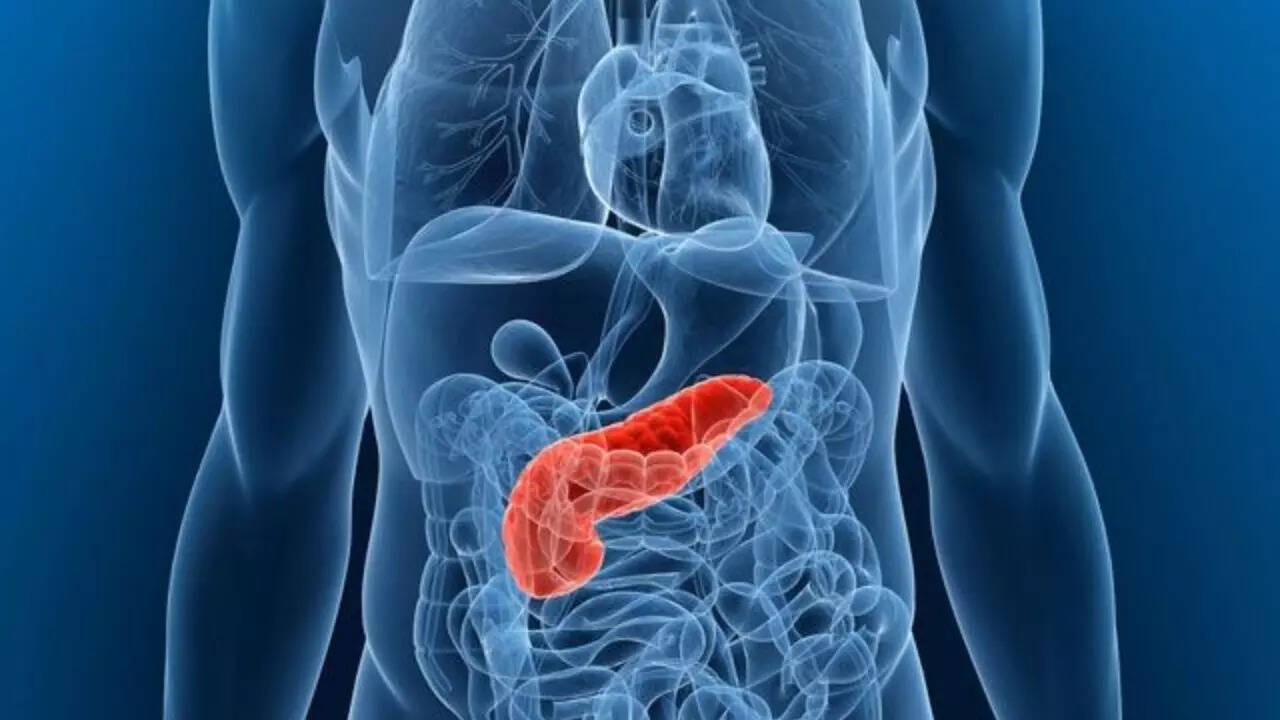
A groundbreaking discovery by University of California, San Diego researchers is poised to revolutionize the fight against pancreatic cancer. Scientists have pinpointed a genetic “early warning system” that signals the presence of precancerous cells, offering a crucial advantage in tackling this notoriously deadly disease.
Unraveling the Link Between Stress and Cancer
Pancreatic cancer remains a formidable global health threat, with over 500,000 new cases and deaths reported worldwide in 2021. Its aggressive nature and tendency for late-stage diagnosis contribute to a grim prognosis, with a five-year survival rate often below 10%. The research team identified a critical connection between inflammation, cellular stress, and the development of pancreatic ductal adenocarcinoma (PDAC), the most common and aggressive form of the cancer.
The Role of STAT3 and Integrin β3
At the heart of this discovery is the protein STAT3 (signal transducer and activator of transcription 3). Activated during stressful or inflammatory conditions, STAT3 triggers a cascade of biological responses that promote tumor growth, adaptation, treatment resistance, and metastasis. The study revealed that under conditions of low oxygen and inflammation, common in cancer, STAT3 activates the Integrin β3 (ITGB3) gene in pancreatic cells, accelerating tumor progression and spread.
David Cheresh, a pathologist and co-author of the study, emphasized the significance of their findings. “Given the fact that STAT3 plays such an important role in many cancers and the fact that it controls so many genes prompted us to drill down on which genes in particular are associated with cancer development, progression, and drug resistance,”
he stated.
Even more concerning, the research suggests that common chemotherapy treatments can inadvertently activate STAT3, potentially explaining why some tumors develop resistance over time. However, the researchers found that blocking STAT3’s pathway successfully delayed tumor development, opening a promising avenue for future therapeutic interventions.
Introducing the “STRESS UP” Gene Signature
Through their meticulous research, the scientists identified a group of 10 genes, including ITGB3, that are upregulated by STAT3 during stress. Collectively, these genes form the “STRESS UP” signature, a genetic fingerprint indicative of precancerous activity. This signature could prove invaluable for predicting which individuals are at higher risk of developing pancreatic cancer and assessing the potential aggressiveness of the disease.
“A significant number of patients are what we refer to as ‘inducible’ for these STRESS UP genes, including ITGB3,”
explained Cheresh. This knowledge may also help physicians tailor treatments more effectively, identifying patients likely to respond to existing therapies.
Cheresh further noted, “Having knowledge of this gene signature in patients could be valuable since there are known drugs on the market for other diseases that block STAT3 activation and thereby inhibit the expression of the STRESS UP genes in cancer cells.”
Toward Personalized Treatment Strategies
The “STRESS UP” signature appears to be relevant across all stages of pancreatic cancer, from initial precancerous lesions to advanced, drug-resistant, and metastatic tumors. The researchers are now delving deeper into the specific roles of each of the 10 identified genes, aiming to develop highly targeted therapies.
Indeed, early clinical trials are already underway for a therapy designed for patients with drug-resistant cancers, offering a beacon of hope for improved outcomes. “We are now examining each of these STRESS UP genes for their specific role in the development and progression of cancer with the hope that new specific therapies can be developed. We already have one such therapeutic just now entering clinical trials for patients with drug-resistant cancers,”
Cheresh concluded.


