Ancient Tombs Uncovered in Luxor, Egypt
Luxor, Egypt – A critically important archaeological discovery has been made in Luxor, with the unearthing of three tombs belonging to high-ranking officials from Egypt’s New Kingdom period (1539 B.C. to 1077 B.C.).The Egyptian Ministry of tourism and Archaeology announced the find, revealing that the tombs were located in Dora Abu Elnaga, a necropolis in Luxor known as the final resting place for non-royal individuals.
A “Significant” discovery
According to an Instagram post by the Ministry of Tourism and Archaeology, the excavations were conducted entirely by Egyptian experts. The ministry described the discovery as significant
for Egyptian archaeological records.
The Egyptian Archaeological Supreme Council stated that inscriptions within the tombs allowed for the identification of the owners’ names and positions.
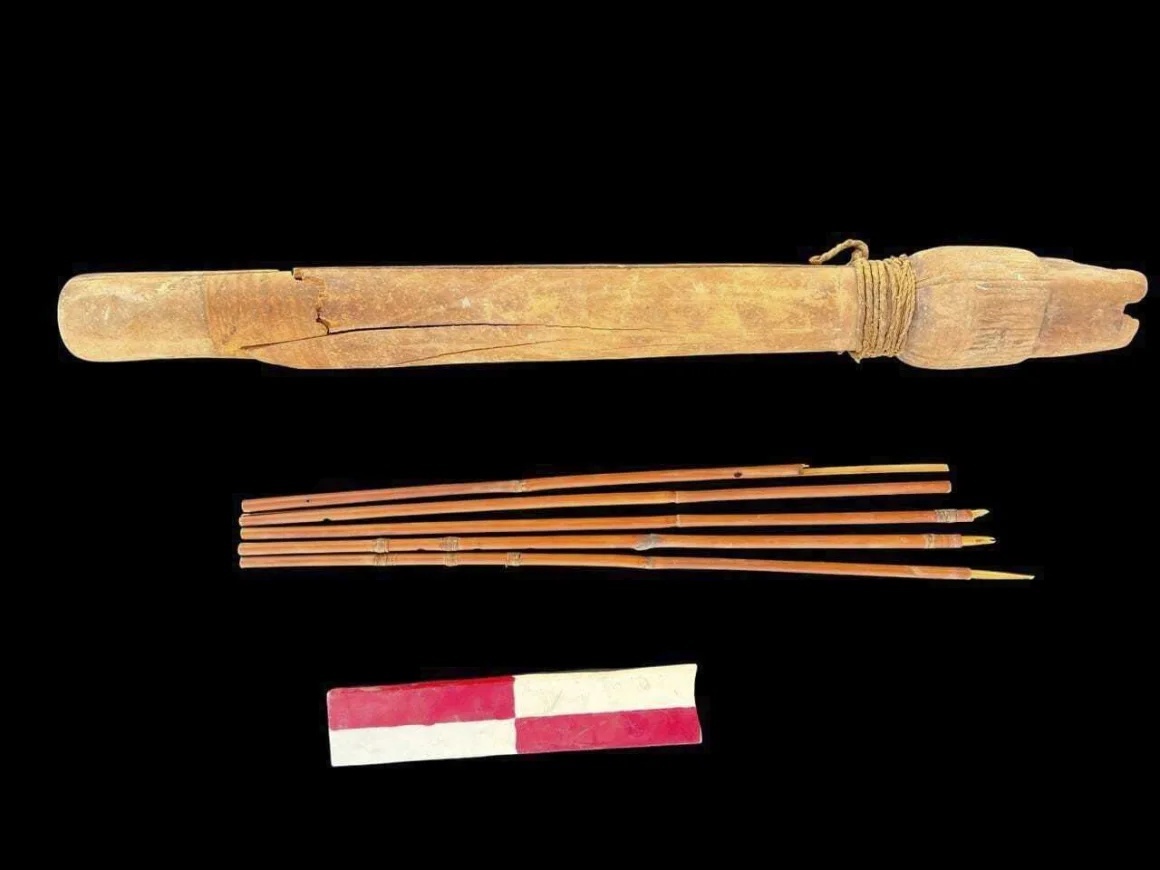
The Tomb of Amun-em-Ipet
One of the tombs belonged to a person known as “Amun-em-Ipet,” who lived during the Ramsesian dynasty (19th and 20th dynasties). This individual served in the temple of God amun, a deity worshipped as the King of the Gods. While most of the tomb’s murals have been destroyed, remnants depict people carrying furniture and banquet scenes. The tomb consists of a small courtyard, an entrance, and a square hall that ends with a niche and a collapsed western wall.
the Tomb of Baki, Supervisor of Granites
Another tomb, dating back to the 18th Dynasty, belonged to Baki, who worked as a supervisor of granites. This tomb features a long, corridor-like courtyard, followed by another courtyard leading to the main entrance. A longer hall extends from there, with rooms containing unfinished burial wells located beyond.
The Tomb of “Es,” Superintendent of the Temple of Amun
The third tomb also dates to the 18th Dynasty and belonged to a figure identified as “Es.” This individual held multiple roles, including superintendent of the Temple of Amun, head of the Northern oasis, and secretary. The tomb includes a small courtyard and a well, leading to a front entrance and a long, unfinished hall.
previous Discoveries in Luxor
Luxor continues to be a treasure trove for archaeological discoveries. Previously, a joint archaeological team from Egypt and the U.K.excavated the tomb of ancient Egyptian King Thuthamus III in luxor. At the time, officials described it as a surprising
discovery.
Frequently Asked Questions
Where were the tombs discovered?
The tombs were discovered in Dora Abu Elnaga, a necropolis in Luxor, Egypt.
When do the tombs date back to?
The tombs date back to the New Kingdom period (1539 B.C. to 1077 B.C.).
Who did the tombs belong to?
The tombs belonged to high-ranking officials, including Amun-em-Ipet, Baki, and Es.