Forget Chernobyl: Your Instagram Feed Might Cause Teh Next Nuclear Disaster
The burgeoning demand for electricity, fueled by the rapid expansion of data centers supporting technologies like Artificial Intelligence (AI), is driving a renewed interest in nuclear power. While proponents tout Small Modular Reactors (SMRs) as a safe and efficient solution, a closer examination reveals meaningful safety, security, and regulatory concerns that could lead to a disaster rivaling chernobyl. the push for rapid deployment,coupled with potential compromises in safety standards,raises the alarming possibility that our digital habits – and the infrastructure supporting them – could inadvertently trigger the next nuclear catastrophe.
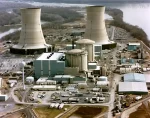
The site of the US’ worst nuclear disaster, the Three Mile Island nuclear plant, is being reopened, partially driven by the need to power these energy-intensive operations. This resurgence of nuclear energy isn’t focused on traditional large-scale plants, but on SMRs – smaller, purportedly more manageable reactors.
Safety and Security Implications
Advocates claim SMRs are inherently safer due to their smaller size and passive safety features. However, safety experts are voicing serious concerns about potential regulatory compromises. Agencies are reportedly exempting SMRs from numerous safety requirements that are mandatory for traditional nuclear plants. Furthermore, reduced armed security measures for SMRs increase their vulnerability to terrorist attacks.
Crucially, SMR designs are largely unproven. The reliance on novel cooling systems introduces new potential failure modes. The proliferation of multiple SMR sites also complicates centralized radioactive waste disposal strategies and creates more potential targets for both physical sabotage and cyberattacks. Deploying these reactors near population centers or industrial zones, as is being considered to meet the demands of data centers, significantly elevates the risk.

Chernobyl Effect or Why Regulation and Monitoring Matter
The Chernobyl disaster on April 26, 1986, remains the most devastating nuclear accident in history. The event released massive radiation into the atmosphere, exacerbated by the reactor’s lack of a containment structure. The disaster resulted in dozens of deaths during the explosion and subsequent cleanup,and hundreds of documented cases of cancer and psychological problems. A large exclusion zone was established due to the widespread release of radioactive elements like plutonium, iodine, strontium, and caesium.
Chernobyl underscored the critical importance of robust regulatory oversight in all