AI-Generated Image Leads to Arrest in St. Petersburg
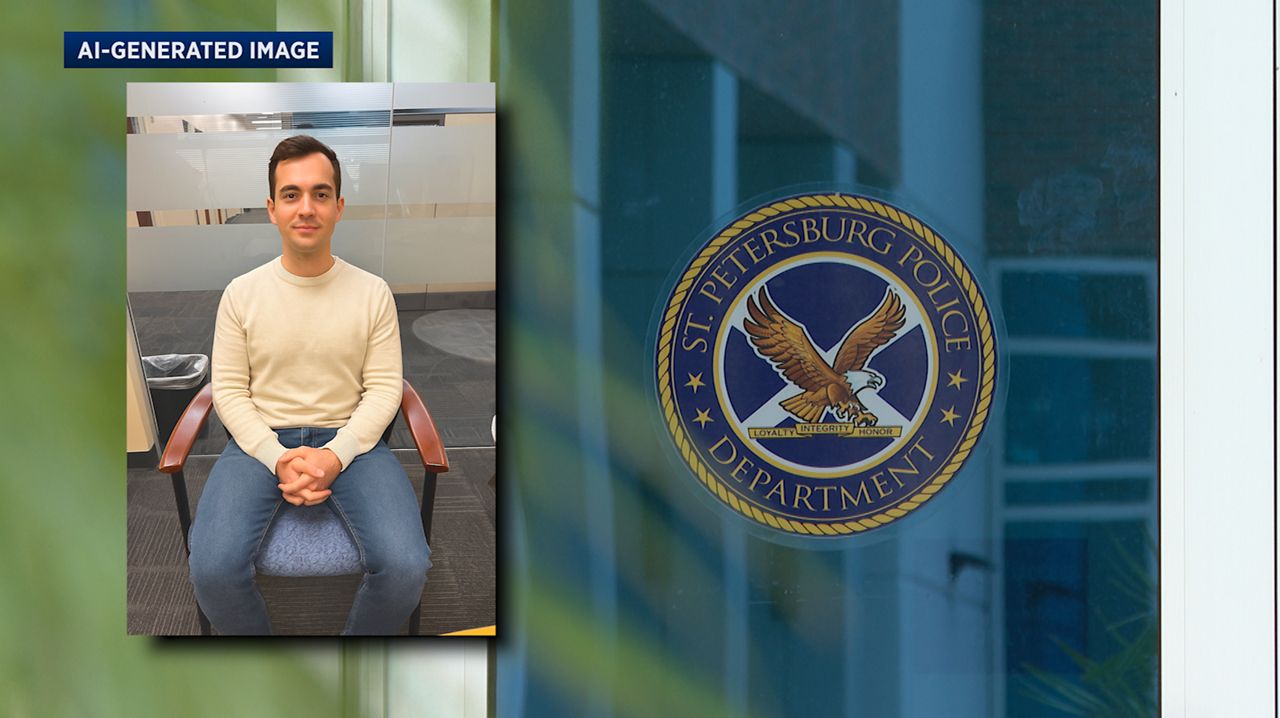
St. Petersburg police have arrested Schinault and charged her wiht two counts of false reporting of a crime after she allegedly used artificial intelligence to fabricate a suspect in a case – a suspect who did not exist. The case highlights a growing concern about the misuse of increasingly sophisticated AI technology.
The incident came to light as a trend emerged online where individuals were using AI tools to alter images of their living rooms, adding people into the pictures for amusement. However, police say Schinault’s actions were far from a joke.
“It can be very hazardous,” stated Limardo of the St. Petersburg Police Department. “Especially in a sense of what if this person had matched the description of someone in our town or they tried to claim it was someone, now we’re going after that one person.”
Schinault is currently out of jail on bonds totaling $1,000.
Professor Dr. John Licato, of the University of South Florida’s Billeni College of AI, Cybersecurity and Computing, noted that malicious use of technology is not new, but the capabilities of AI are raising new challenges. “When I hear that particular story, my immediate thought is, ‘What’s the motivation? Why would anyone actually do this?'” he said.
Licato emphasized the need for increased public understanding of AI’s potential.”We need to increase the amount of AI literacy amongst the general public for reason like exactly this case,” he explained. he pointed out that law enforcement’s awareness of the “memes” and ”TikTok trend” surrounding AI image manipulation demonstrated a growing understanding of the technology’s capabilities. “The cops, they saw the memes…and, in a sense, that was a form of AI literacy.”
The St. Petersburg case isn’t isolated. In Hillsborough County, 19-year-old Sammarth Gautam was arrested after using AI to transform social media photos of clothed acquaintances into AI-generated nude images, posting eight of them online. during interrogation, Gautam admitted to being driven by curiosity about the technology. “So, I was just really starting to hear things about AI and the different things that it could do,” Gautam stated in interrogation tapes. “And I know I shouldn’t have, but I kind of got curious, and I just wanted to use the technology to see what it could do.”
Gautam ultimately pleaded guilty to 16 counts of promoting altered sexual depictions without consent and served 12 days in jail. He has since been taken into custody by immigration enforcement and is awaiting deportation in an ICE holding facility in New Mexico.
Licato stressed the importance of establishing appropriate safeguards and regulations for AI technology. “We do have to watch out and make sure that we put proper safeguards to help protect people,” he said, drawing a parallel to vehicle regulations. “They made it so there was the right level of balance between restrictions and guidance. I think that we need that with any new technology.”
Bay News 9’s attempts to reach Schinault for comment were unsuccessful.