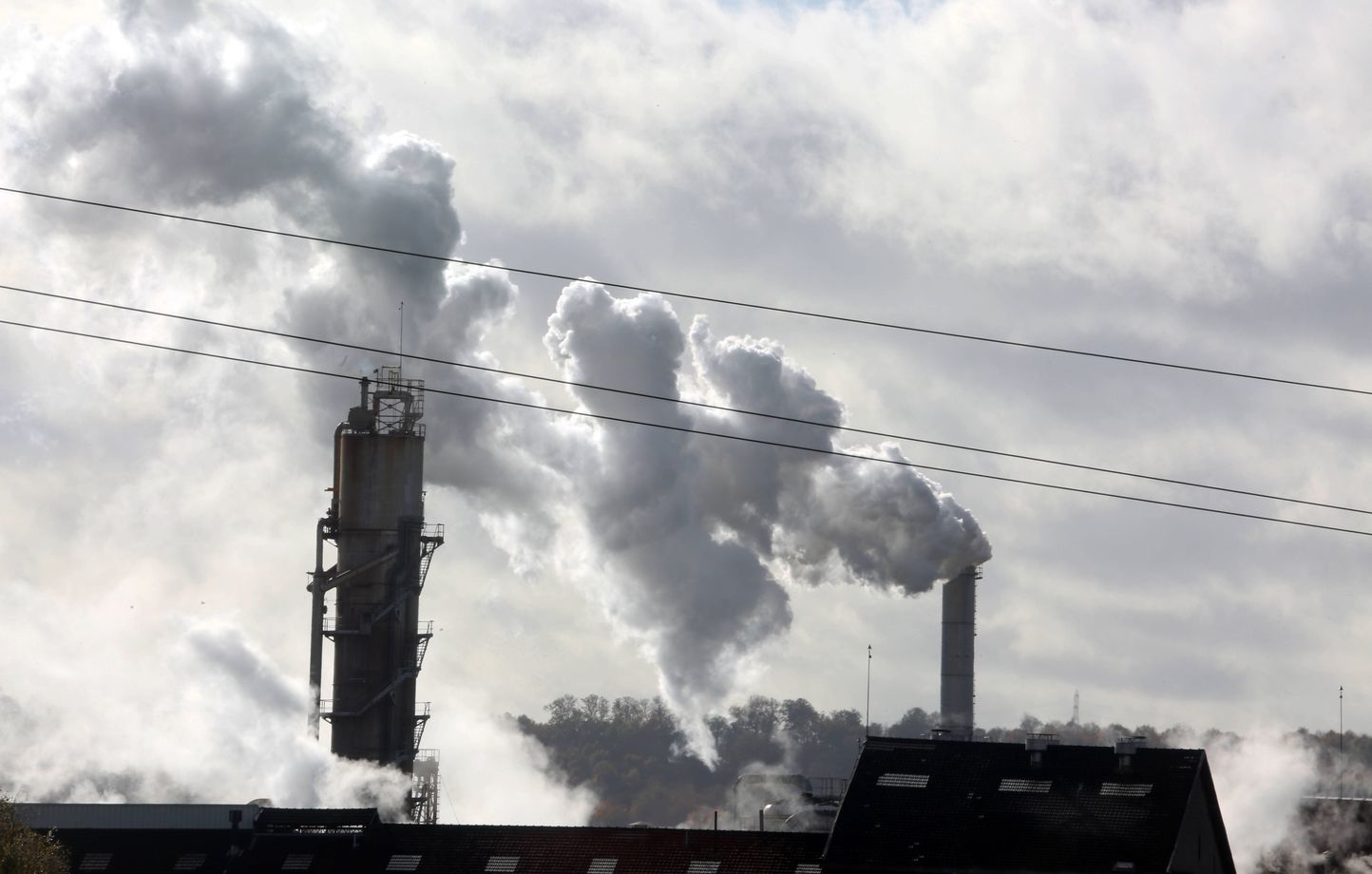
Air Pollution Linked to Increased Risk of Mental Health Issues and Cognitive Decline, New Research Suggests
London, UK – December 4, 2025 – Emerging evidence indicates a concerning correlation between long-term exposure to air pollution and a heightened risk of developing depression, anxiety, and experiencing memory loss, perhaps impacting millions globally. A growing body of research, including recent studies published in Environmental Health Perspectives and presented at the International Society for Environmental Epidemiology conference, points to microscopic pollutants entering the bloodstream and directly affecting brain function.
The escalating global air pollution crisis,already known for its respiratory and cardiovascular impacts,now appears to pose a significant threat to mental wellbeing and cognitive health.Experts estimate that over 90% of the world’s population lives in areas exceeding World Health association (WHO) air quality guidelines. This revelation underscores the urgent need for stricter emission controls and public health interventions to mitigate the silent, pervasive damage inflicted by polluted air. The findings suggest a potential for increased rates of neurodegenerative diseases and a growing burden on mental healthcare systems worldwide.
Researchers at King’s College London, analyzing data from over 360,000 participants in the UK Biobank, discovered a statistically significant association between exposure to particulate matter (PM2.5) and nitrogen dioxide (NO2) and increased symptoms of depression and anxiety. The study, published November 15, 2025, revealed that individuals living in areas with higher levels of these pollutants exhibited a 15-20% greater risk of experiencing these mental health conditions compared to those in cleaner air environments.
Separate research conducted by the University of Southern California, focusing on older adults, demonstrated a link between long-term exposure to air pollution and accelerated cognitive decline, including memory impairment. This study, released October 28, 2025, tracked over 10,000 participants for a decade, finding that those exposed to higher levels of PM2.5 experienced a measurable reduction in cognitive function equivalent to several years of aging.
“The brain is particularly vulnerable to the effects of air pollution because of its complex structure and high metabolic rate,” explains Dr. Maria Hernandez, lead researcher at King’s College London. “Pollutants can trigger inflammation, oxidative stress, and disrupt the delicate balance of neurotransmitters, all of which can contribute to the advancement of mental health problems and cognitive decline.”
The WHO estimates that air pollution causes 7 million premature deaths annually, primarily due to cardiovascular and respiratory diseases. These new findings suggest the true cost of air pollution is far greater, encompassing a significant and often overlooked impact on neurological and psychological health. Public health officials are now advocating for the integration of air quality data into mental health risk assessments and the development of targeted interventions for vulnerable populations living in heavily polluted areas. Further research is underway to determine the specific mechanisms by which air pollution affects the brain and to identify potential preventative strategies.