Swarthmore College Removes Professor’s Name From Building Over Native American Burial Site Excavations
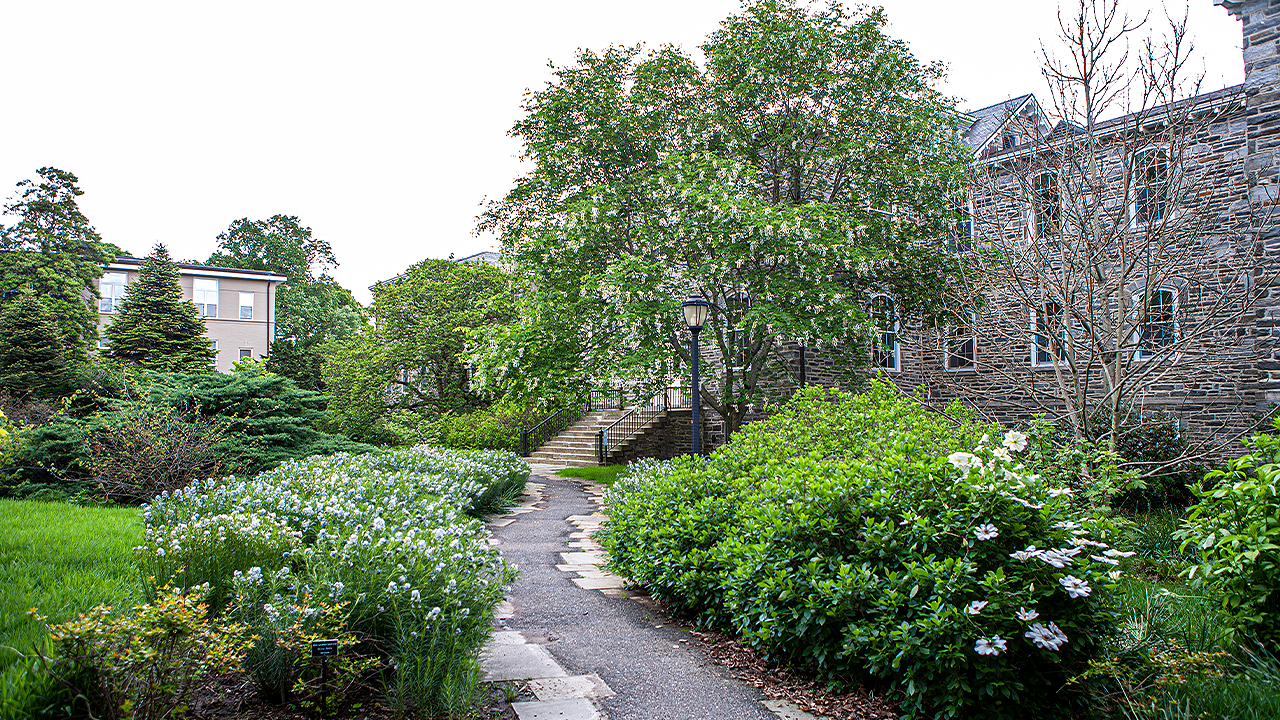
Swarthmore College has renamed Trotter Hall to “Old Science Hall” and removed Professor Spencer Trotter’s name from campus grounds. The decision follows an institutional review revealing that Trotter excavated a Lenape burial site in 1899, displayed human remains on campus, and promoted racial hierarchies in his academic work.
This is more than a clerical change to a campus map. It is a confrontation with a century-old legacy of “scientific racism” that continues to haunt the halls of American academia.
For decades, the building served as a cornerstone of the college’s science department. But the prestige of the institution now clashes with the reality of its history. The catalyst for this change was a 2022 report that brought to light the excavation of a Lenape burial site in Chester County. The remains were not just removed; they were displayed on campus as academic specimens.
The Anatomy of an Ethical Failure
Spencer Trotter taught at Swarthmore for over 30 years around the turn of the 20th century. While he was a respected biology professor of his era, his methodology was rooted in the disturbing practices of his time. Trotter’s work didn’t just stop at the physical removal of human remains; he actively promoted racial hierarchies, claiming in his writings that Native Americans had underutilized the land that European farmers later occupied.
President Val Smith didn’t mince words when addressing the community. She described the act of collecting Native American remains as “unethical and inexcusable,” regardless of whether such practices were commonplace in 1899.
“No matter the educational intentions… These remains should have been treated with dignity and respect and should never have been removed from their burial site,” Smith stated.
The college has admitted a sobering truth: it cannot determine exactly what happened to the remains Trotter once displayed. This void in the record creates a permanent wound for the descendant communities.
This institutional reckoning is part of a larger national movement. Under the Native American Graves Protection and Repatriation Act (NAGPRA), federal agencies and institutions receiving federal funding are required to inventory Native American human remains and cultural items and return them to lineal descendants or affiliated tribes.
The Friction of Memory: Revisionism vs. Rectification
Not everyone at Swarthmore views the renaming as a victory. The decision has ignited a fierce debate over whether removing names constitutes an erasure of history.

Some alumni and community members have labeled the move as “revisionist.” Their argument is simple: by keeping the name, the college would be forced to confront the ugliness of its past every time they entered the building. Removing the name, they argue, is a way of scrubbing the record clean.
History professor Bob Weinberg, a member of the renaming task force, views it differently. He argues that reassessing historical figures is not erasure—it is the very essence of the academic process.
“You don’t want to erase the past, but you want to acknowledge it… and explain why it’s important that we are changing this,” Weinberg noted.
The process has been painstakingly unhurried. A faculty-chaired task force comprising students and staff spent months reviewing records and surveying the campus. They even considered naming the building after the Lenape people, but rejected the idea, fearing it would be “performative” without accompanying systemic action.
When institutions face this level of public and internal scrutiny, the stakes are higher than just a sign. Many colleges are now employing specialized legal counsel to navigate the complex intersection of property law, cultural heritage, and federal repatriation mandates. Navigating these sensitivities requires more than an apology; it requires the expertise of [Cultural Heritage Consultants] who can bridge the gap between academic archives and indigenous sovereignty.
A Broader Pattern of Institutional Purging
Swarthmore is not an outlier. Across the Northeast, liberal arts colleges are scrubbing their facades. From the removal of controversial presidents’ names at Bryn Mawr to the dismantling of Confederate monuments in the South, the American campus is undergoing a spatial revolution.
The “problem” here is a systemic failure of stewardship. For over a century, museums and universities acted as warehouses for stolen heritage. The “solution” is a grueling process of repatriation and renaming.
The college has now launched a comprehensive review of its entire collection and the handling of human remains. This includes the implementation of new ethical standards for how items are acquired and returned. For institutions still holding contested artifacts, the path forward often involves partnering with [Non-Profit Indigenous Advocacy Groups] to ensure that repatriation is handled with genuine dignity rather than as a PR exercise.
Task force chair Cat Norris highlighted the inherent difficulty of this work, noting that “individuals are really complicated.” This complexity is exactly why a simple name change is rarely the end of the story.
The Long Road to Repatriation
As Swarthmore moves toward a permanent name for the “Old Science Hall”—with a final recommendation due to the Board of Managers—the college remains in a state of transition. The physical removal of the name from the building and the adjacent lawn is a symbolic first step, but the moral debt remains.
The Lenape people, the original inhabitants of the Delaware Valley and Chester County, have seen their ancestral lands and ancestors commodified for centuries. The return of the burial site ownership to Native American hands is a tangible win, but the psychological impact of seeing ancestors displayed in a biology hall lingers.
The struggle at Swarthmore reflects a wider societal tension: how do we honor the contributions of the past without honoring the prejudices that made those contributions possible?
True rectification requires more than the removal of a brass plaque. It requires a commitment to ongoing transparency and a willingness to be uncomfortable. As more institutions uncover similar skeletons in their closets—both literal and figurative—the need for verified, ethical guidance has never been greater. Whether it is through [Repatriation Legal Specialists] or historians specializing in colonial trauma, the goal is no longer just to teach history, but to stop benefiting from the theft of it.
The final decision on the building’s new name will arrive later this year, but the lesson of Trotter Hall is already clear: prestige built on the desecration of others is a debt that eventually comes due.