
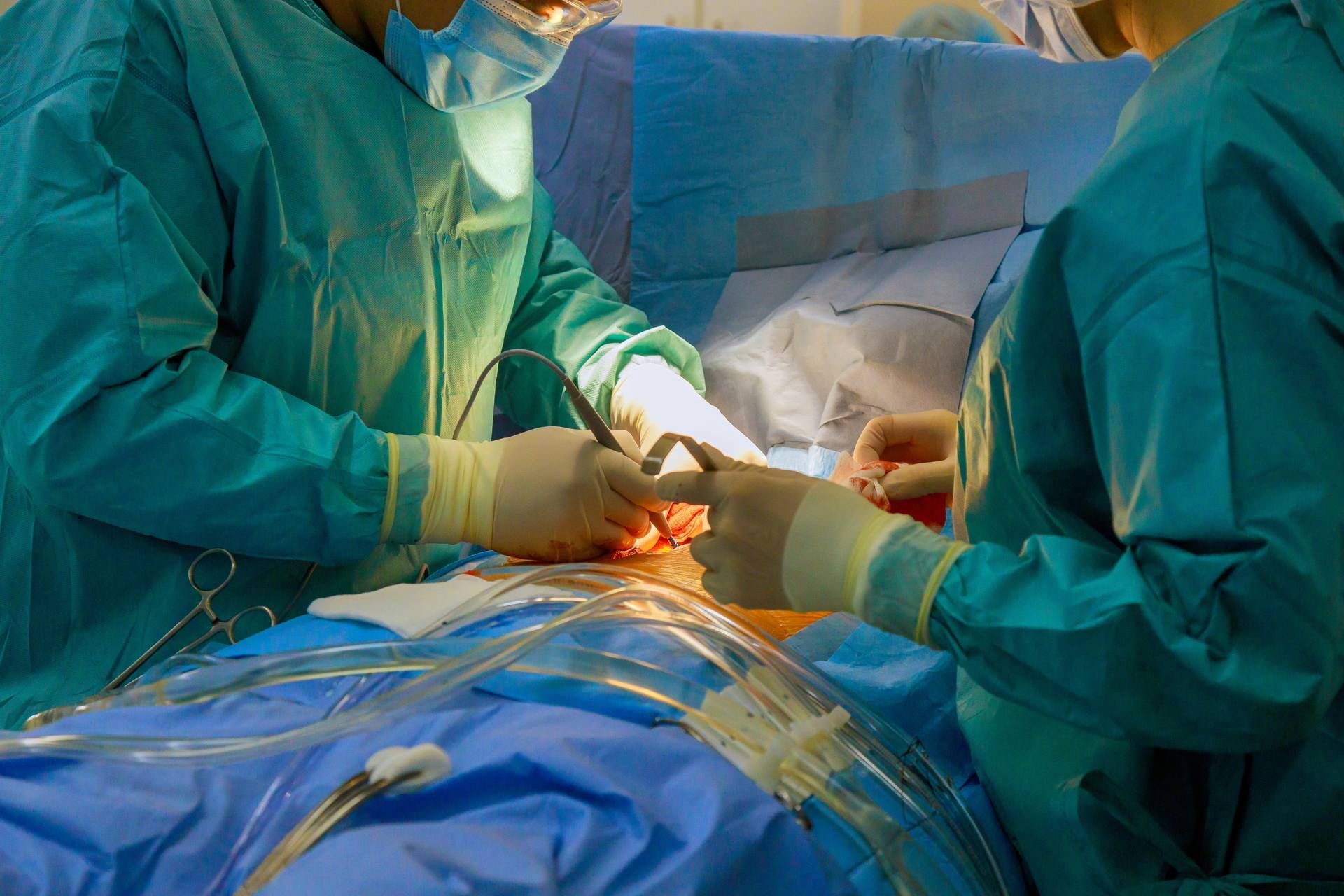
Pioneering Epilepsy Treatment: First Epicranial Neurostimulator Implanted in Italy at Padua hospital
Padua, Italy – September 1, 2025 – In a medical first for italy, surgeons at the University Hospital of Padua have successfully implanted an epicranial neurostimulator in a young patient with drug-resistant epilepsy. the procedure, performed by Professor Andrea Landi, Head of the Stereotactic and Functional neurosurgery Unit, with assistance from Doctors Valentina Baro and Giulia Furlanis, marks a notable advancement in the treatment of severe epilepsy cases. Dr. Filippo Dainese, from the hospital’s Clinical Neurophysiology Service (directed by Professor Maurizio Corbetta), oversaw the patient’s follow-up care.
Drug-resistant epilepsy affects approximately 30 percent of all epilepsy sufferers and can be particularly debilitating, impacting clinical outcomes, social life, and employment. In children, it can severely hinder cognitive and neuromotor development.
The implanted device,known as the Easee system,modulates pathological brain activity using electrical impulses transmitted through the skull. This non-surgical neurostimulation technique is employed when the surgical removal of the epileptogenic focus isn’t feasible. The intervention involves placing a mat beneath the scalp,secured to a cranial display case,and connecting it to a stimulator implanted in the thoracic region.
hospital officials report the procedure is minimally invasive, rapid – typically completed within two days – and carries low risk for operators. Initial results demonstrate a greater than 50 percent reduction in seizure frequency within weeks of implantation. The Easee system is already established in Germany,Austria,and Switzerland,and the Padua hospital was selected as the first Italian center to offer this innovative therapy.
