
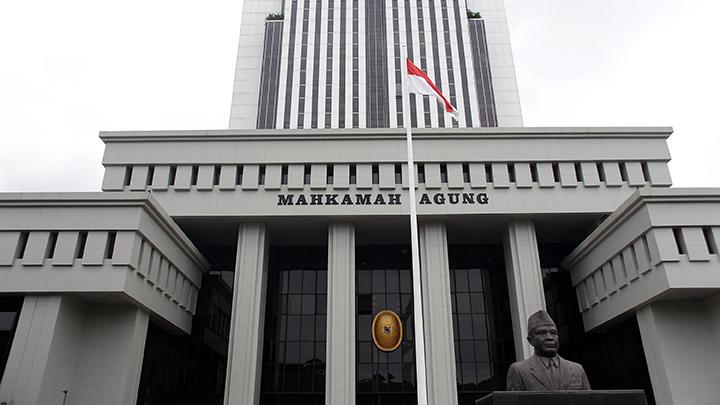
PBHI Urges Focus on Broader Judicial Reform, Questions Supreme court’s Self-Regulation
Jakarta, Indonesia – Legal aid institution PBHI (perhimpunan Bantuan Hukum dan Pemberdayaan Masyarakat) today dismissed the Supreme Court’s internal reform agenda as insufficient, instead calling for the implementation of its “17+8 People’s Demands” – a extensive set of judicial reforms. The organization’s critique comes amid escalating public concern over corruption within the court system.
PBHI Director Julius highlighted recent cases involving Supreme Court judges, including the four summonses issued to Chief of the Criminal Chamber, Prim Haryadi, by the Corruption Eradication Commission (KPK) in connection with the bribery case involving former Supreme Court Secretary General, Hasbi Hasan. He also cited the acquittal of former Supreme Court judge Gazalba Saleh in a bribery case by Dwiarso Budi Santiarto, Chief of the Supervisory Chamber, and the subsequent reduction of Gazalba’s sentance in a money laundering case review.
“Even as Indonesia’s independence, there has been no history of more than one Supreme Court judge being arrested concurrently by the KPK in a bribery case,” Julius stated. He further noted the arrest of judges at the Surabaya District Court last year in a corruption case linked to the release of a murder convict.
PBHI is particularly critical of the upcoming election for the Non-Judicial Vice Chairman of the Supreme Court, scheduled for September 10, 2025, which Julius suspects is being conducted discreetly. He emphasized the crucial role of this position – overseeing budgets, development, operations, research, and supervision – and argued it should not be filled by individuals with a history of ethical concerns.
“This is a sacred position that should not be filled by individuals with problems, Supreme Court judges frequently summoned by the KPK, or Supreme Court judges who reduced corruption rulings or even acquitted corruption convicts,” Julius said.
PBHI contends the public is losing faith in the judiciary due to repeated corruption scandals. The organization is urging the Supreme Court to prioritize leaders with integrity, courage, and a clean record.
“It is truly terrifying if a judiciary institution as prestigious as the Supreme Court continues to make national newspaper headlines not with achievements, but with one corruption case after another in this republic,” Julius concluded.
PBHI’s “17+8 People’s Demands” represent a broader vision for judicial reform, extending beyond internal Supreme Court adjustments and advocating for systemic changes to address corruption and improve access to justice.
