
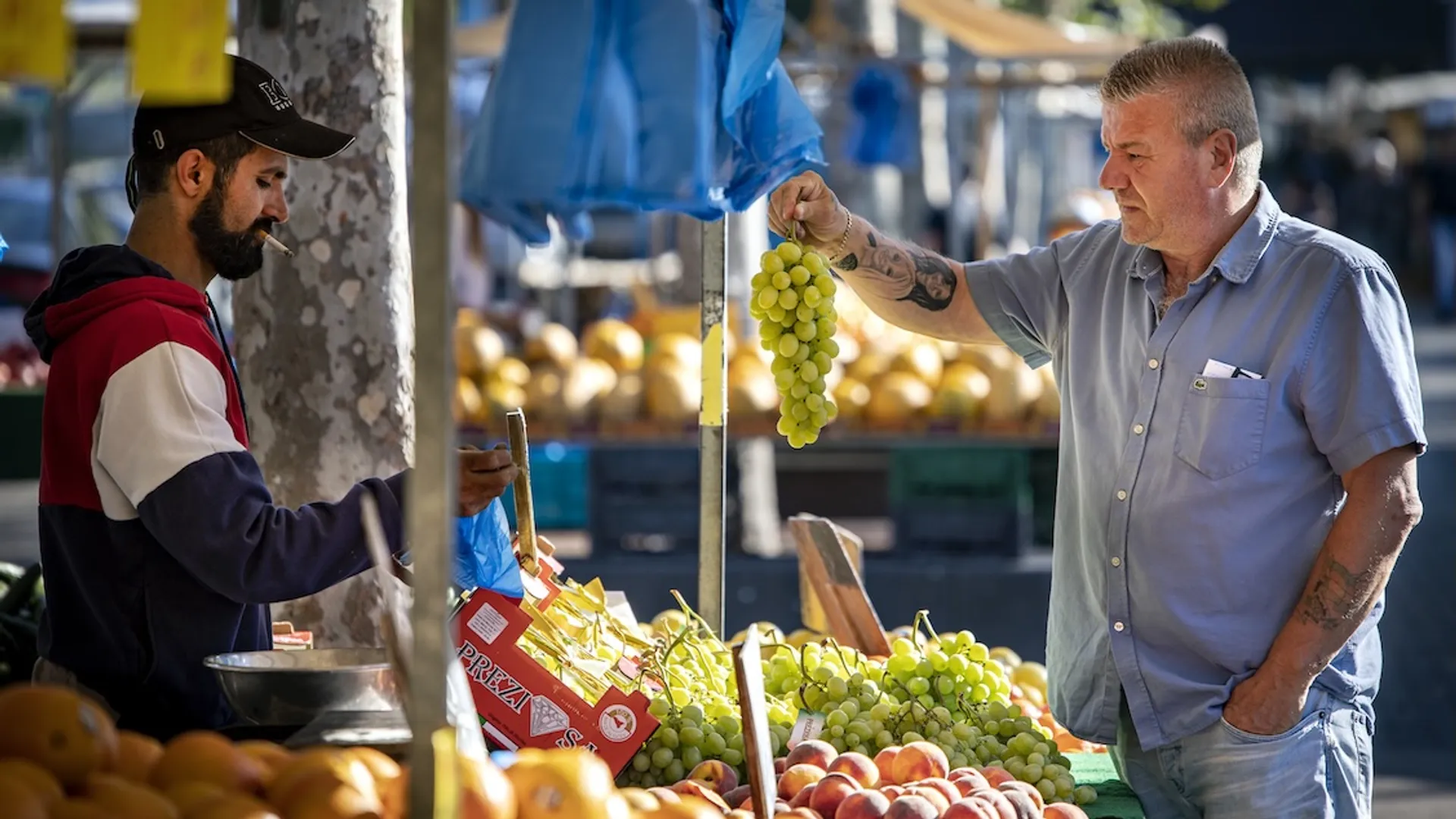
Soaring Food Costs Threaten Access to Healthy Eating in the Netherlands
Amsterdam, Netherlands – Rising supermarket prices are pushing healthy food out of reach for a growing number of Dutch citizens, forcing families to choose between nutritious meals and essential fixed costs, according to a recent article published by Joop.bnnvara. The escalating costs of meat and dairy, driven by shrinking livestock and increased production expenses, are exacerbating the problem.
the article highlights a growing concern that basic healthy products like fruits and vegetables are becoming unaffordable for a notable portion of the population.It argues for two key interventions to address the crisis: a substantial reduction in Value Added Tax (VAT) on produce, ideally to zero percent, and the dismantling of purchasing restrictions that prevent Dutch supermarkets from sourcing cheaper goods within the European Union.
Currently, fruit and vegetables are subject to a 9% VAT rate in the Netherlands - a tax the article contends disproportionately impacts those with lower incomes, who already tend to have less healthy diets and experience higher rates of health problems. The author argues eliminating this VAT isn’t a luxury, but a public health measure that would ultimately lower healthcare costs.
The piece further points to a price disparity between the Netherlands and neighboring countries like Belgium and Germany, where the same products are often available at lower prices. This difference, the article claims, is due to agreements between producers and suppliers that restrict Dutch supermarkets from cross-border purchasing, effectively stifling competition and artificially inflating prices. The author criticizes the lack of political action to address these restrictions, despite acknowledging the issue.
Despite widespread public concern over grocery costs, the article suggests the issue remains a relatively low priority for politicians. The author warns that inaction will widen the gap between rich and poor, turning healthy eating into a privilege and leading to increased healthcare burdens, lifestyle diseases, and social inequality.
The article concludes with a strong call for stricter regulation to combat what it describes as an abuse of the free market by producers and suppliers within the supermarket sector.
