Sugar-Like Molecules Could Help Clear MS Debris from Immune Cells
Researchers have identified a novel mechanism involving sugar-like molecules that may enhance the ability of immune cells to clear myelin debris in the central nervous system, a critical step in potentially halting or reversing the damage caused by multiple sclerosis (MS). By targeting the phagocytic pathways of microglia and macrophages, this approach seeks to address the chronic neuroinflammation that prevents natural tissue repair in patients living with the condition.
Key Clinical Takeaways:
- Scientists discovered that specific sugar-like molecules, or glycans, can modulate immune cell activity to increase the clearance of myelin debris.
- Efficient removal of this debris is essential to allow oligodendrocyte precursor cells to differentiate and remyelinate damaged nerve fibers.
- The research, currently in preclinical stages, offers a potential new therapeutic target to address the pathogenesis of progressive MS.
The Biological Barrier to Myelin Repair
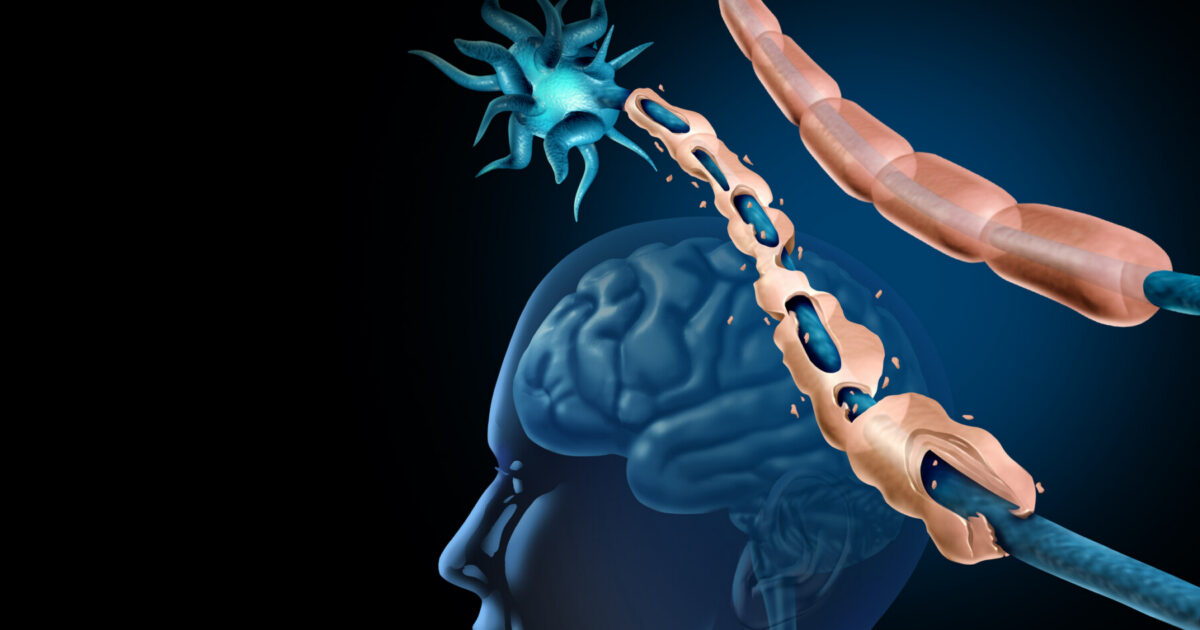
Multiple sclerosis is characterized by the autoimmune-mediated destruction of myelin, the protective sheath surrounding axons. While the body possesses an innate capacity for remyelination, this process often fails in patients due to the accumulation of myelin debris at the site of lesions. This debris contains inhibitory factors that prevent oligodendrocyte precursor cells (OPCs) from maturing into myelin-producing cells, effectively halting tissue regeneration.

According to findings published in the journal Nature Neuroscience, the persistence of this debris creates an inflammatory environment that sustains the disease’s pathogenesis. Traditional disease-modifying therapies (DMTs) primarily focus on modulating the adaptive immune response to prevent new relapses. However, the clearance of existing debris remains a significant clinical gap in current standards of care. For patients struggling with symptoms of disease progression, consulting with board-certified neurologists specializing in neuroimmunology is essential to evaluate current therapeutic options that address both inflammation and potential neuroprotection.
How Sugar-Like Molecules Influence Immune Clearance
The study, which received funding support from the National Institutes of Health (NIH) and various private research foundations, investigated the role of glycans in signaling to microglia—the resident immune cells of the brain. Microglia are tasked with “cleaning” the central nervous system, yet in MS, these cells often become overwhelmed or dysfunctional when confronted with dense myelin plaques.

Researchers observed that by introducing specific sugar-like structures, they could effectively reprogram these immune cells to become more efficient at phagocytosis. This process involves the recognition and engulfment of myelin fragments. By clearing these inhibitory fragments, the local environment shifts from a pro-inflammatory state to one that supports regenerative activity. “The modulation of surface receptors on microglia through glycan-based signaling represents a sophisticated, targeted approach to restorative neurology,” noted an independent observer familiar with the study’s design.
Addressing the Challenges of Clinical Translation
While the preclinical data demonstrates a significant increase in debris clearance, the transition to human clinical trials requires rigorous evaluation of safety and efficacy. The primary hurdle remains the delivery of these molecules across the blood-brain barrier (BBB) at therapeutic concentrations without triggering systemic immune responses. Current pharmacological research is focused on developing delivery vehicles that ensure these molecules reach the specific site of the lesion.
For pharmaceutical entities and biotech firms, this development necessitates a re-evaluation of the current pipeline for remyelination therapies. Navigating the regulatory requirements for novel biological agents often requires the support of specialized healthcare compliance attorneys to ensure that early-phase trial designs meet the stringent safety standards set by the FDA and EMA. Failure to account for the specific immune-modulatory profile of these glycans could lead to significant bottlenecks in the clinical trial process.
Future Trajectories in Neuro-Regeneration
The prospect of utilizing sugar-like molecules to stimulate the body’s own repair mechanisms marks a shift toward regenerative medicine in MS. Future studies will likely focus on whether this clearance mechanism can be combined with existing DMTs to provide a synergistic effect. As this research progresses, patients and clinicians should monitor for Phase I trial data, which will provide the first evidence of safety in human subjects.
Patients currently managing MS should continue to adhere to their prescribed DMT regimens while discussing emerging research with their clinical team. Engaging with advanced diagnostic centers equipped with high-resolution imaging can help track lesion activity and ensure that any future restorative treatments can be applied effectively. The ultimate goal of this research is to transform MS from a chronic, degenerative condition into one where functional recovery is a measurable outcome.
Disclaimer: The information provided in this article is for educational and scientific communication purposes only and does not constitute medical advice. Always consult with a qualified healthcare provider regarding any medical condition, diagnosis, or treatment plan.