
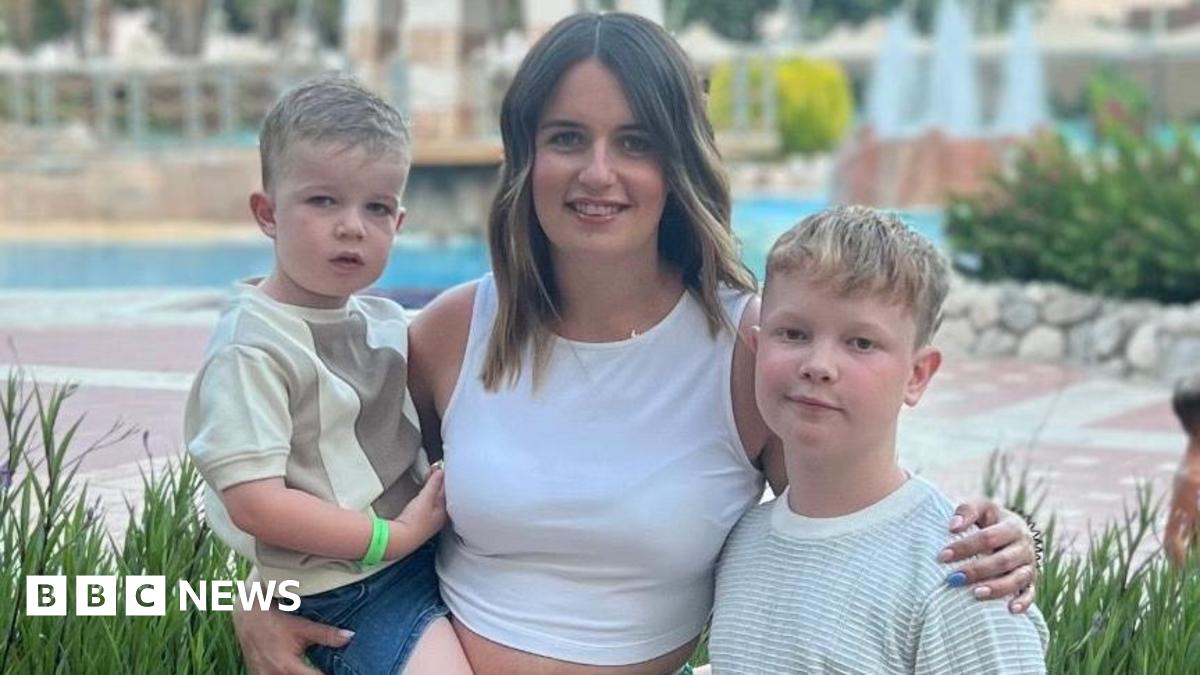
Lauren Hall, a 32-year-old woman from the United Kingdom, experienced a sudden and complete loss of hearing just two months before her planned wedding. Despite receiving steroid treatment, the cause of her hearing loss remains unknown, leaving her facing a life profoundly altered by deafness.
The loss occurred overnight, creating a constant fear of further deterioration. “It was emotional turmoil, waking up thinking today’s the day it could be gone forever,” Hall stated. The timing presented unique challenges, as she was unable to fully participate in the auditory aspects of her wedding ceremony. She couldn’t hear the speeches or the music, a significant loss during a pivotal life event.
Daily life now requires constant vigilance and adaptation. Communicating with her youngest son necessitates direct eye contact and lip-reading. “He’ll cry due to the fact that he thinks I’m ignoring him, but I genuinely have no idea what he’s saying. It’s the little things I miss the most, we walk into school and I can’t just have a conversation with him,” Hall explained, highlighting the subtle but pervasive impact of her condition.
A potential solution lies in a cochlear implant, a device that bypasses damaged ears by converting sounds into electrical impulses sent directly to the brain. However, Hall’s experience underscores broader issues of accessibility for the deaf community. She expressed a sense of loss regarding her former independence and confidence, noting that deafness has become a defining characteristic in her interactions with others. “I miss my confidence and my independence, this kind of becomes your personality because you have to tell everyone you’re deaf.”
Hall likewise pointed to systemic shortcomings in providing support for individuals with hearing loss. “The world is not accessible for us – even in the NHS and hospitals – and nothing ever changes,” she said, indicating a lack of consistent accommodation and improvement in healthcare and public spaces.
