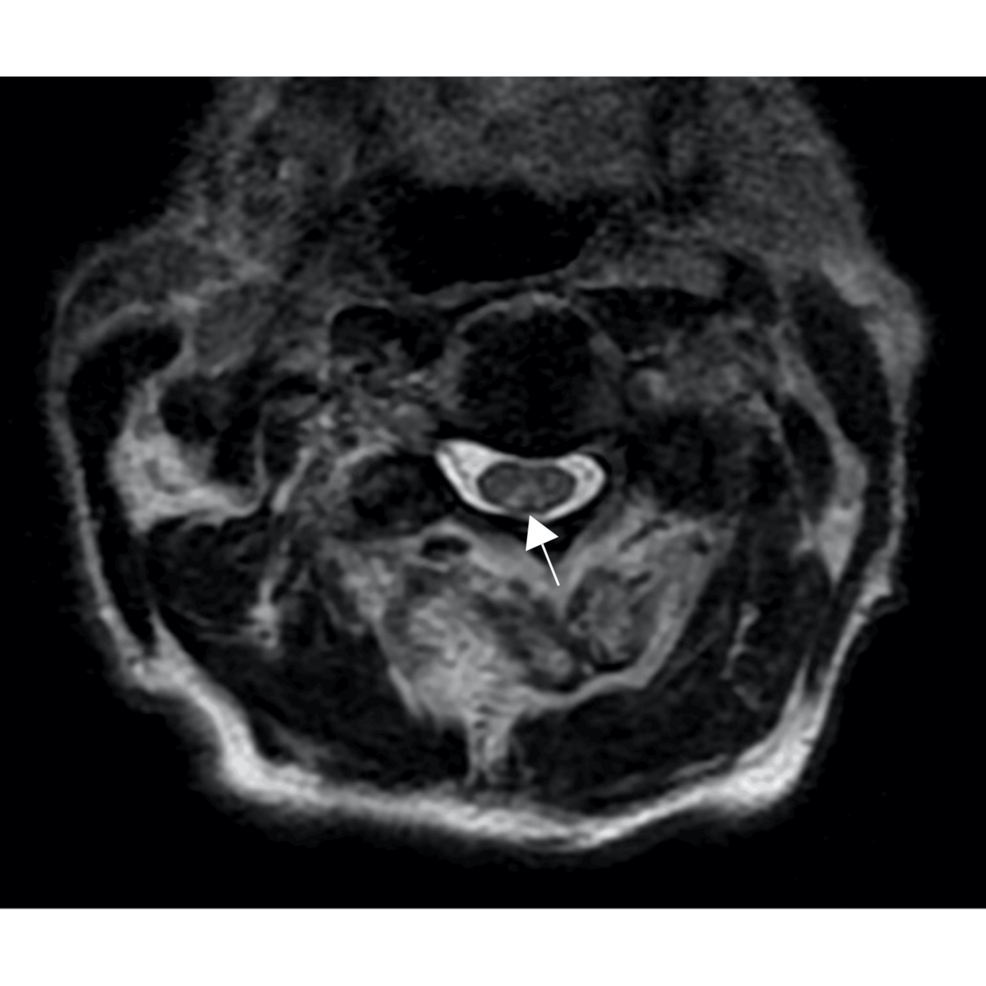
Subacute Combined Degeneration Mimicking Acute Traumatic Spinal Cord Injury
Subacute combined degeneration (SCD) of the spinal cord, a neurological complication stemming from vitamin B12 deficiency, is frequently misdiagnosed as acute traumatic spinal cord injury (SCI) in clinical settings. This diagnostic confusion, documented in recent medical literature including Cureus, arises because both conditions present with overlapping motor and sensory deficits, which can lead to delays in appropriate metabolic intervention and potentially irreversible neurological damage.
Key Clinical Takeaways:
- SCD results from vitamin B12 deficiency, causing white matter degeneration that mimics the clinical presentation of traumatic spinal cord injury.
- Distinguishing between the two requires serum B12 and folate level testing alongside MRI imaging to exclude structural lesions.
- Neurological symptoms may become permanent if treatment is not initiated promptly; lifelong supplementation is often required to manage the underlying deficiency.
Pathogenesis and Diagnostic Challenges
The clinical presentation of SCD involves degenerative changes affecting the white matter of the brain and spinal cord. According to the MSD Manual Professional, early-stage symptoms include decreased position and vibratory sensation in the extremities, often accompanied by mild to moderate weakness and hyporeflexia. As the condition progresses, the clinical picture shifts toward spasticity, hyperreflexia, and extensor plantar responses, creating a diagnostic mimic of traumatic injury.
Unlike traumatic SCI, which is identified through clear mechanical evidence, SCD requires a high index of clinical suspicion. Clinicians must differentiate the metabolic etiology from mechanical compression. Diagnostic protocols necessitate a complete blood count (CBC) and the measurement of serum vitamin B12 and folate levels. Magnetic resonance imaging (MRI) or computed tomography (CT) scans remain essential to rule out structural lesions or cord compression that would otherwise mandate immediate surgical intervention.
Clinical Triage and Management Protocols
For patients presenting with unexplained neurological deficits, particularly in the absence of a clear trauma history, rapid biochemical screening is mandatory. Failure to identify a B12 deficiency can lead to irreversible neurological decline. Standard medical management involves vitamin B12 supplementation, typically administered via intramuscular injection for severe cases or oral therapy for maintenance, as outlined by the MSD Manual. Because neurological symptoms that persist for months or years can become permanent, early intervention is critical for functional recovery.
Research Context and Future Directions
The broader field of spinal cord pathology continues to investigate endogenous neuroplasticity. A symposium published in PubMed Central highlights that primary and secondary damage following any form of spinal insult triggers complex biological responses. Researchers are exploring pharmacological interventions—such as anti-Nogo or anti-Rho agents—to diminish repulsive barriers that prevent axonal regeneration. While these studies focus on traumatic SCI, the understanding of myelin repair and neuroinflammation is increasingly relevant to managing the white matter damage observed in SCD.
The incidence of SCI is estimated at 22 per million people annually, and the total population of survivors continues to grow. This underscores the necessity for precise differential diagnosis to ensure that patients are not mismanaged with invasive surgical procedures when metabolic correction is the primary therapeutic requirement.
Disclaimer: The information provided in this article is for educational and scientific communication purposes only and does not constitute medical advice. Always consult with a qualified healthcare provider regarding any medical condition, diagnosis, or treatment plan.