New Alzheimer’s Discovery: How the APOE4 Gene Disrupts Brain Circuits Early
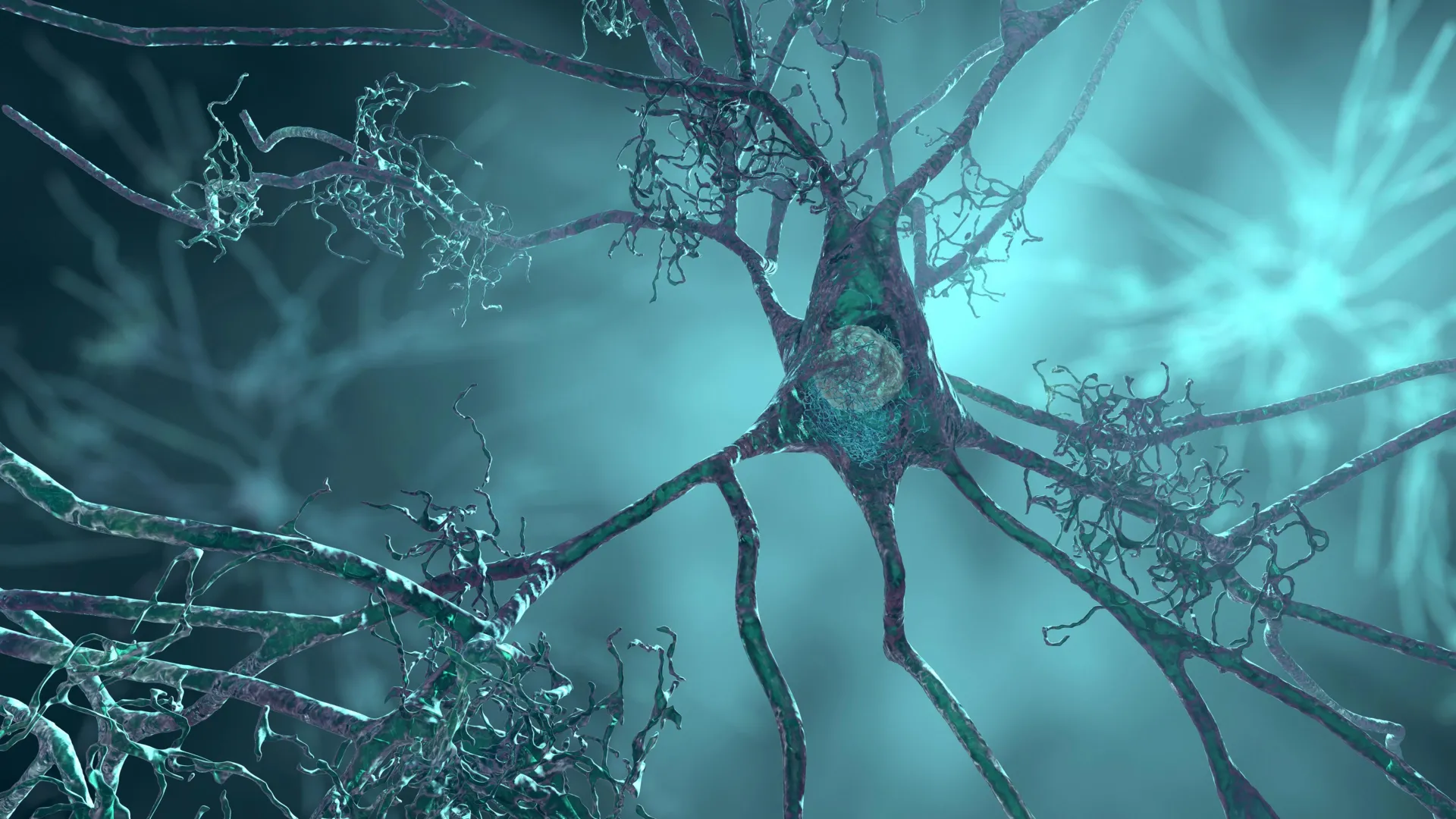
Researchers have identified a cellular mechanism involving the APOE4 gene that triggers neuronal shrinkage and circuit hyperactivity long before memory problems begin. By studying mouse models, scientists discovered that APOE4 increases a protein called Nell2, which shrinks neurons and creates abnormal activity in memory circuits.
- The APOE4 gene increases production of the protein Nell2, which shrinks neurons.
- This process creates “hyperactive” memory circuits that function abnormally long before memory problems begin.
- Reducing Nell2 levels in adult mice reversed these early neuronal changes, suggesting a potential future way to intervene before Alzheimer’s progresses.
The Biological Pathway of APOE4-Induced Neuronal Dysfunction
The APOE4 gene has long been recognized as a risk factor for Alzheimer’s disease, yet the precise mechanisms driving early-stage neurodegeneration have remained difficult to isolate. In the brains of mice carrying the APOE4 gene, elevated levels of Nell2 were observed, correlating with the shrinkage of neurons. This structural shrinkage creates an abnormal hyperactivity in memory circuits that predicted worse memory later in life.
This discovery bridges a gap in the understanding of Alzheimer’s.
Evaluating the Therapeutic Potential of Nell2 Modulation
The research demonstrates that the neurodegenerative process driven by APOE4 is not necessarily irreversible in its early stages. When researchers suppressed Nell2 levels in adult mice, the abnormal hyperactivity in the memory circuits subsided and neuronal structure stabilized. This finding suggests that intervention aimed at modulating Nell2 could potentially offer a way to intervene before Alzheimer’s progresses.
While these results are promising, they are currently limited to mice.
Clinical Triage and Proactive Brain Health
Future Trajectory of Alzheimer’s Research
The identification of the APOE4-Nell2 axis provides a clear target for research. Future studies will be required to determine if lowering Nell2 in humans produces the same protective effects on memory circuits observed in mice.
Disclaimer: The information provided in this article is for educational and scientific communication purposes only and does not constitute medical advice. Always consult with a qualified healthcare provider regarding any medical condition, diagnosis, or treatment plan.