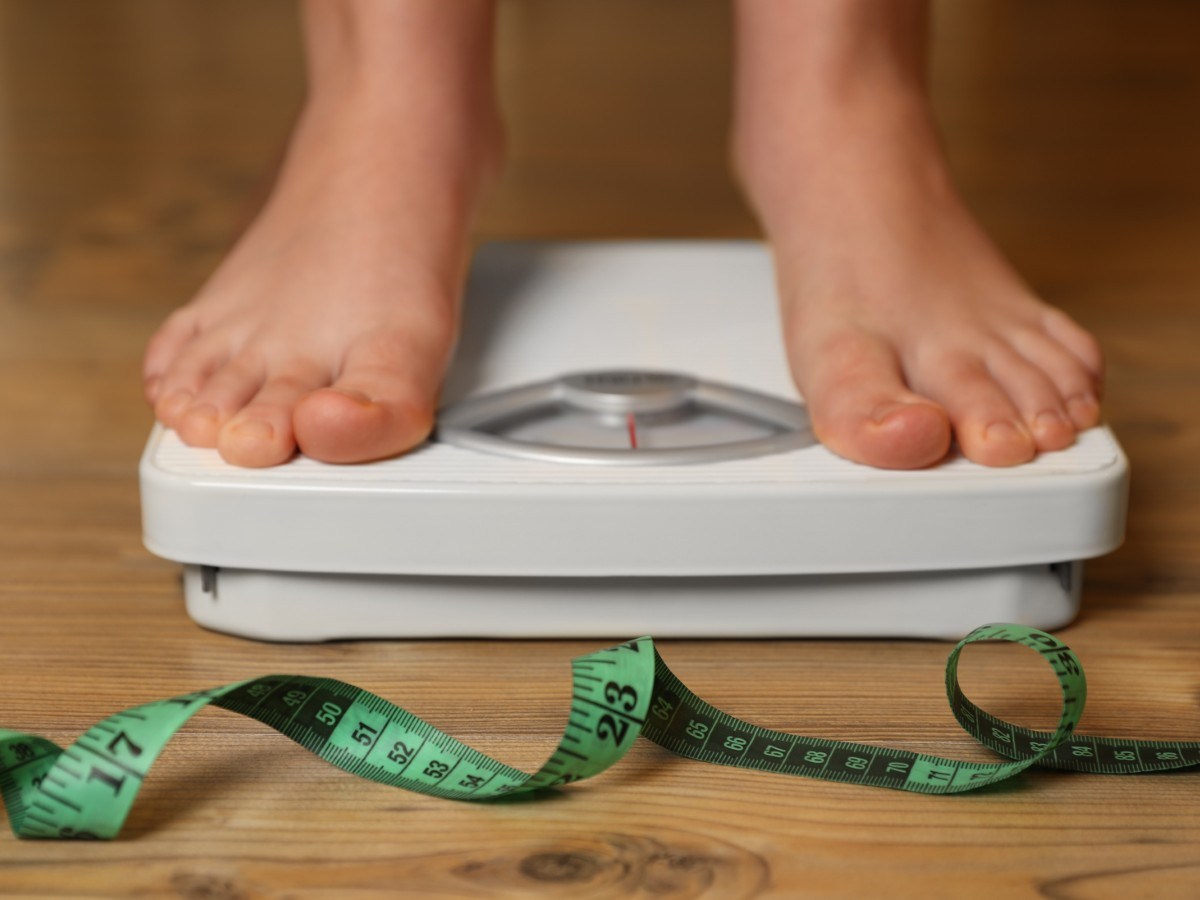
Study Suggests Structured Support May Reduce Weight Regain After GLP-1s
“Many people receive limited lifestyle and behavior-change support while taking GLP-1 medications because the medication itself is so effective at suppressing appetite and reducing food intake,” Kelseanna Hollis-Hansen told Newsweek. Structured support such as digital wellness applications and medically tailored meals can reduce the rapid weight regain patients typically experience after stopping GLP-1 receptor agonists like Ozempic and Wegovy, according to a study published October 7 in Obesity Science and Practice.
Key Clinical Takeaways:
- Patients discontinuing GLP-1 therapy typically regain about a pound a month, returning to baseline weight within two years without structured lifestyle intervention.
- A pilot trial involving 39 adults revealed that a digital wellness app or medically tailored meals significantly curbed weight regain over a four-month monitoring period compared to control groups.
- Researchers emphasize that intensive behavioral support is most critical during the first year off medication, helping patients build sustainable habits around nutrition, physical activity, and sleep.
Study Findings on Structured Support After GLP-1 Discontinuation
While GLP-1 medications effectively suppress appetite during active treatment, stopping the injections often causes biological hunger cues and appetite to return abruptly. To address this clinical gap, researchers at Tufts University and the University of Texas Southwestern Medical Center investigated whether external behavioral frameworks could mitigate post-cessation weight accumulation. The trial evaluated 39 adult participants divided into three cohorts over a four-month period: a control group receiving standard post-cessation care, a group utilizing a digital wellness application, and a group receiving medically tailored meals.
Participants in the control group gained an average of 10.75 percent of their body weight during the four months. In contrast, those utilizing the digital wellness application gained 3.6 percent of their body weight, while participants receiving medically tailored meals gained 3.58 percent. The digital platform required at least 15 minutes of daily use for diet, exercise, and weight self-monitoring alongside educational modules on behavioral factors influencing eating. The tailored meal program provided dietitian-developed, nutrient-dense meals shipped directly to participants managing diet-related comorbidities such as chronic kidney disease and uncontrolled type 2 diabetes.
Biological Mechanisms of Weight Regain After Therapy
Dr. Caroline Apovian, co-director of the Center for Weight Management and Wellness at Brigham and Women’s Hospital and professor of medicine at Harvard Medical School, told Newsweek that preventing weight regain after discontinuing GLP-1 therapy remains exceptionally difficult. When patients achieve substantial weight loss of 15 to 22 percent, maintaining that loss typically requires ongoing therapy because the medication lowers the body weight “set point” regulated by the hypothalamus in the brain.
The hypothalamus operates as an energy balance control center programmed to defend stored body fat against perceived starvation. GLP-1 receptor agonists artificially bolster satiety to sustain a lower body fat mass. When patients discontinue the drugs, biological adaptations—including heightened hunger and reduced post-meal fullness—drive the body to restore lost mass. Concurrently, patients face environmental barriers, including widespread access to calorie-dense, ultra-processed foods and limited resources for physical activity.
Resistance Training Helps Maintain Weight After Medication Ceases
While structured interventions can help patients manage behavioral and exercise cues to resist immediate hormonal drivers of weight gain, Apovian noted that behavioral changes act as a short-term solution because no current hormonal intervention permanently alters the lower weight set point once medication ceases. Incorporating resistance exercise training to build muscle mass helps balance hormones and increase energy expenditure. The research team aims to conduct longer-term investigations examining combination approaches and lifestyle frameworks to evaluate sustained weight maintenance against modern environmental factors.
Disclaimer: The information provided in this article is for educational and scientific communication purposes only and does not constitute medical advice. Always consult with a qualified healthcare provider regarding any medical condition, diagnosis, or treatment plan.