Study Led by Dr. Michael Freund Shows Success of Robotic Hernia Repairs
Robotic Abdominal Hernia Repairs Achieved Without Open Incisions
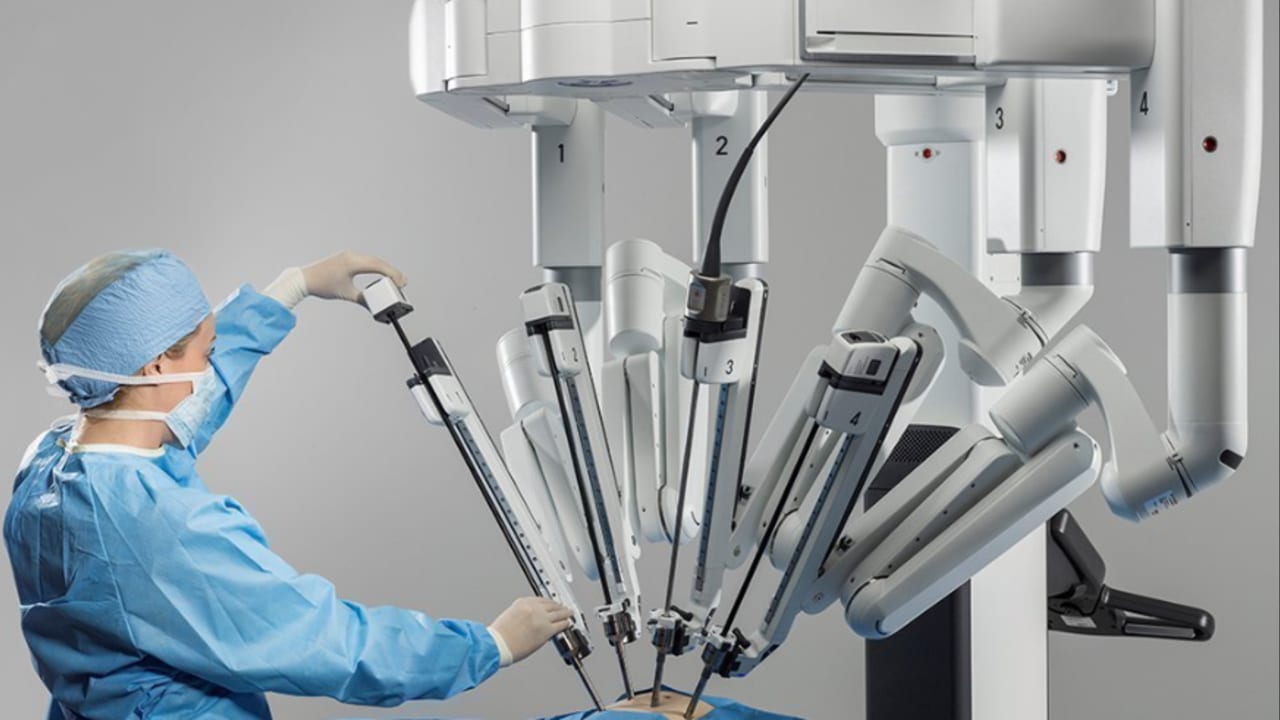
According to a new study published by Hernia, surgeons successfully performed 39 intricate lateral abdominal wall hernia repairs via robotic technology, bypassing standard open or keyhole techniques and enabling the majority of individuals to return home after only a single day.
-
The Tech TL;DR:
- Thirty-nine patients underwent complex lateral abdominal wall hernia repairs using a robotic platform rather than traditional open or keyhole methods.
- Every procedure was completed robotically without requiring conversion to open surgery, and no hernias returned during the follow-up period.
- Most patients were discharged after just one day with minimal reported pain, though two patients developed bowel obstructions requiring a secondary laparoscopic procedure.
Anatomy Challenges in Lateral Abdominal Wall Repairs
A hernia occurs when an organ or tissue forces its way through a vulnerable spot in the abdominal wall, with lateral varieties developing along the body’s flank instead of the central abdomen or groin. The location adds difficulty to surgical repair close to the ribs, pelvis, muscles, nerves, and blood vessels. Surgeons generally have little room to work or position the mesh used to strengthen the abdominal wall. This is compounded by any previous operations, which may leave scar tissue and change the standard anatomy.
The vast majority of participants in the research had formed these hernias where a prior surgical procedure had taken place, such as gallbladder, spinal, colorectal, or kidney operations. Absent the robotic approach, these individuals would have faced either conventional open surgery—entailing an extended recovery and a major incision—or standard keyhole procedures, which employ smaller cuts alongside inflexible tools that struggle to maneuver at the precise angles needed for flank hernia repairs.
Precision Instrumentation in Robot-Assisted Surgery
Providing doctors with a magnified, 3D perspective of the surgical site, robotic tools feature the ability to twist and pivot akin to a human wrist, thereby greatly simplifying the process of accessing the hernia, sealing the defect, and positioning a sizable reinforcing mesh posterior to the muscle. The study was led by Dr. Michael Freund of the Hebrew University and Shaare Zedek Medical Center under the guidance of Prof. David Hazzan of Raphael Hospital in collaboration with Sheba Medical Center and Tel Aviv University.
Although an alternate recent investigation involving off-center abdominal hernias reported that certain interventions required partial conversion to open surgery alongside a roughly 33% complication rate and subsequent hernia recurrences, this new research from Israel achieved a 100% robotic completion rate with zero hernia returns throughout the observation window. However, the researchers emphasized that the studies involved different patients and cannot be directly compared.
Most Patients Recover Without Complications
Although a pair of patients encountered bowel obstructions requiring subsequent laparoscopic intervention, both healed fully without needing any bowel resection, while the remainder experienced smooth recoveries accompanied by minimal postoperative discomfort. Investigators additionally pointed out that although this represented one of the premier evaluations centered exclusively on robotic repairs of lateral abdominal wall hernias, it remained a relatively limited retrospective inquiry lacking a direct head-to-head comparison with alternative techniques. Patients will need to be followed for longer to determine the long-term success rate.