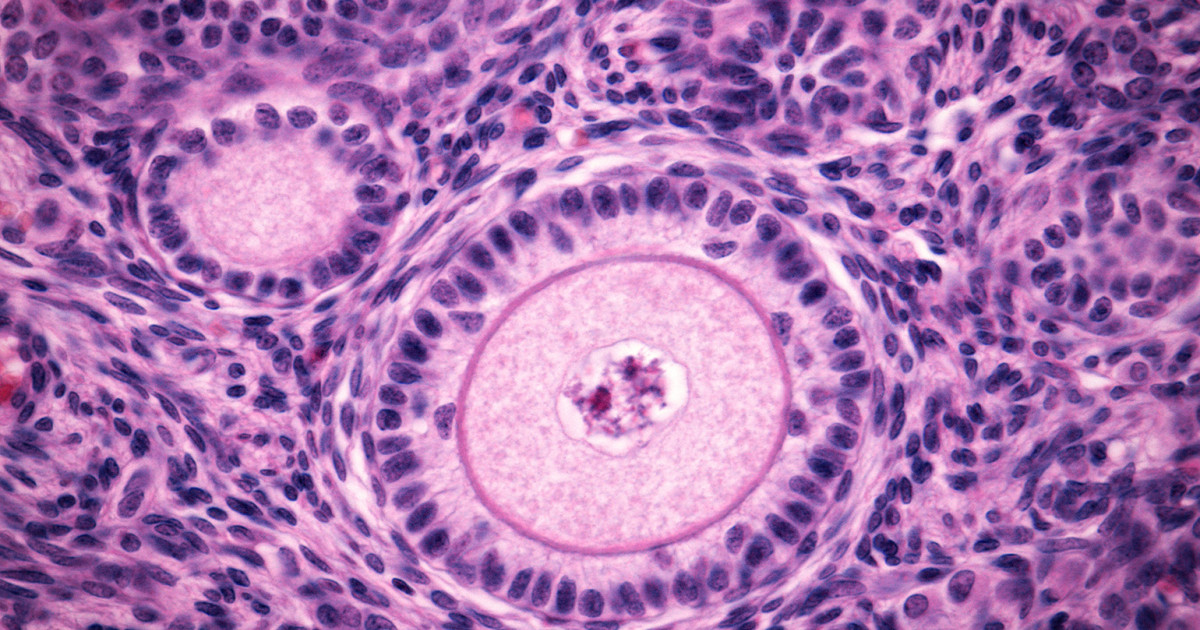
Study finds postmenopausal ovaries remain biologically active with age
Proteomic Analysis Reveals Postmenopausal Ovaries Remain Biologically Active
Contrary to the long-standing medical assumption that the postmenopausal ovary becomes functionally defunct, a new study published October 14 in Aging Cell demonstrates that the organ continues to remodel and maintain biological activity decades past the cessation of fertility. Researchers utilizing advanced mass spectrometry examined human ovarian tissue from 28 women and discovered hundreds of proteins that continue to change with age, exhibiting heightened inflammation and structural alterations, news.northwestern.edu reported.
Key Clinical Takeaways:
- Postmenopausal ovaries display dynamic protein level shifts rather than biological stagnation, maintaining active tissue remodeling well beyond the reproductive years.
- Advanced proteomic analysis identified molecular links between normal ovarian aging and cellular environments associated with ovarian cancer.
- Researchers emphasize that while biological activity persists, it remains unknown whether these progressive aging features ultimately benefit or harm systemic health.
Cellular Remodeling and Inflammation in Postmenopausal Ovarian Tissue
To investigate the physiological trajectory of aging ovarian tissue, scientists at Northwestern University and the Buck Institute for Research on Aging analyzed 5,812 groups of proteins in normal ovarian samples from postmenopausal women aged 50 to 75. By focusing on a narrow 25-year window following menopause rather than comparing across an entire lifespan, the research team isolated proteins tied specifically to postmenopausal aging. Samples from younger postmenopausal women showed elevated proteins involved in maintaining cellular and tissue structure, while tissues from women aged 70 and older exhibited increased markers of inflammation, immune activity, and tissue turnover.
In the ovary, we reach a point of no return with respect to fertility in which it’s no longer producing eggs, and I would venture to say most people assume those ovaries are just sitting there doing nothing, similar to the appendix. But that’s what makes this study very different.
— Francesca Duncan, Co-corresponding Author, Northwestern University Feinberg School of Medicine
The findings mirror earlier observations in postmenopausal ovaries of mice, reinforcing the consistency of the biological process across species. The team also detected molecular patterns characteristic of cellular senescence, wherein damaged or aged cells cease division while remaining biologically active and releasing signaling molecules that influence surrounding tissue.
Shared Molecular Profiles Between Ovarian Aging and Cancer
The study builds on prior work from 2016, when researchers first identified that aging ovaries become increasingly fibrotic, stiff, and inflamed.
Researchers note that this overlap does not indicate that postmenopausal ovaries are inherently precancerous, but rather that normal aging and malignancy share overlapping biological pathways. Funding for the research was provided by the National Institutes of Health Common Fund Senescence Network program through grants NIA U54 AG075932 and NCI UH3 CA275681.
The ovary is not just a reproductive organ. It really influences how somebody ages because it speaks to all these other organs, such as the brain, and also to the bone, and women after menopause experience often a lot of bone problems. So, we think there is a connection between all these organs.
— Birgit Schilling, Co-corresponding Author, Buck Institute for Research on Aging
Unresolved clinical questions remain regarding whether the progressive biochemical shifts in the aging ovary serve a protective purpose, act as a passive byproduct of aging, or contribute to systemic disease over time. Investigators note that determining whether these systemic influences eventually become detrimental will require expanded longitudinal study.
Disclaimer: The information provided in this article is for educational and scientific communication purposes only and does not constitute medical advice. Always consult with a qualified healthcare provider regarding any medical condition, diagnosis, or treatment plan.