
Cellcolabs Poised to Dramatically Scale MSC Production with New Bioreactor Technology, Trials underway in Bahamas & Abu Dhabi
Table of Contents
Stockholm/Teh Bahamas/Abu Dhabi – cellcolabs, a pioneering stem cell therapy company, is on the cusp of a major production leap, developing a bioreactor platform expected to significantly increase the output of Mesenchymal stem cells (MSCs). This advancement, coupled with ongoing clinical trials in the Bahamas and Abu Dhabi, positions the company to potentially reshape treatment approaches for a range of age-related and chronic conditions.
Currently,Cellcolabs cultivates MSCs using traditional methods on flat surfaces within specialized cell medium. However, this process limits scalability. Bioreactors offer a solution by providing vastly expanded cultivation surfaces and enabling precise, automated control over growth conditions – a critical step towards wider accessibility of MSC therapies. The company is collaborating with the Royal Institute of Technology in Stockholm to finalize the platform, with a full-scale launch anticipated in 2028.
Understanding mscs and Their Potential
MSCs are adult stem cells with the unique ability to differentiate into various cell types, including bone, cartilage, and fat cells. Crucially, they also possess immunomodulatory properties, meaning they can influence the immune system. This combination makes them a promising therapeutic avenue for a diverse array of conditions. unlike embryonic stem cells, MSCs are ethically less controversial as they are typically sourced from adult tissues like bone marrow or adipose tissue.
Cellcolabs is focusing on leveraging these properties to address conditions where tissue repair and immune regulation are key factors. Current trials are investigating the efficacy of MSC treatments for:
Musculoskeletal Injuries: Accelerating healing and reducing inflammation.
Knee Osteoarthritis: Potentially slowing disease progression and alleviating pain.
Cardiovascular Risk: Exploring the potential for MSCs to improve heart health. Arthritis: Targeting inflammation and joint damage.
age-Related Frailty: Addressing the decline in physical function associated with aging.
Pioneering Regulatory Environments Fuel Progress
A key factor in cellcolabs’ trial strategy is the selection of the Bahamas and Abu Dhabi as testing locations. Both jurisdictions have established progressive, patient-focused, and ethically sound regulatory frameworks for MSC trials, making them leaders in the field. This streamlined approach allows for faster, more efficient clinical investigation compared to regions with more restrictive regulations.
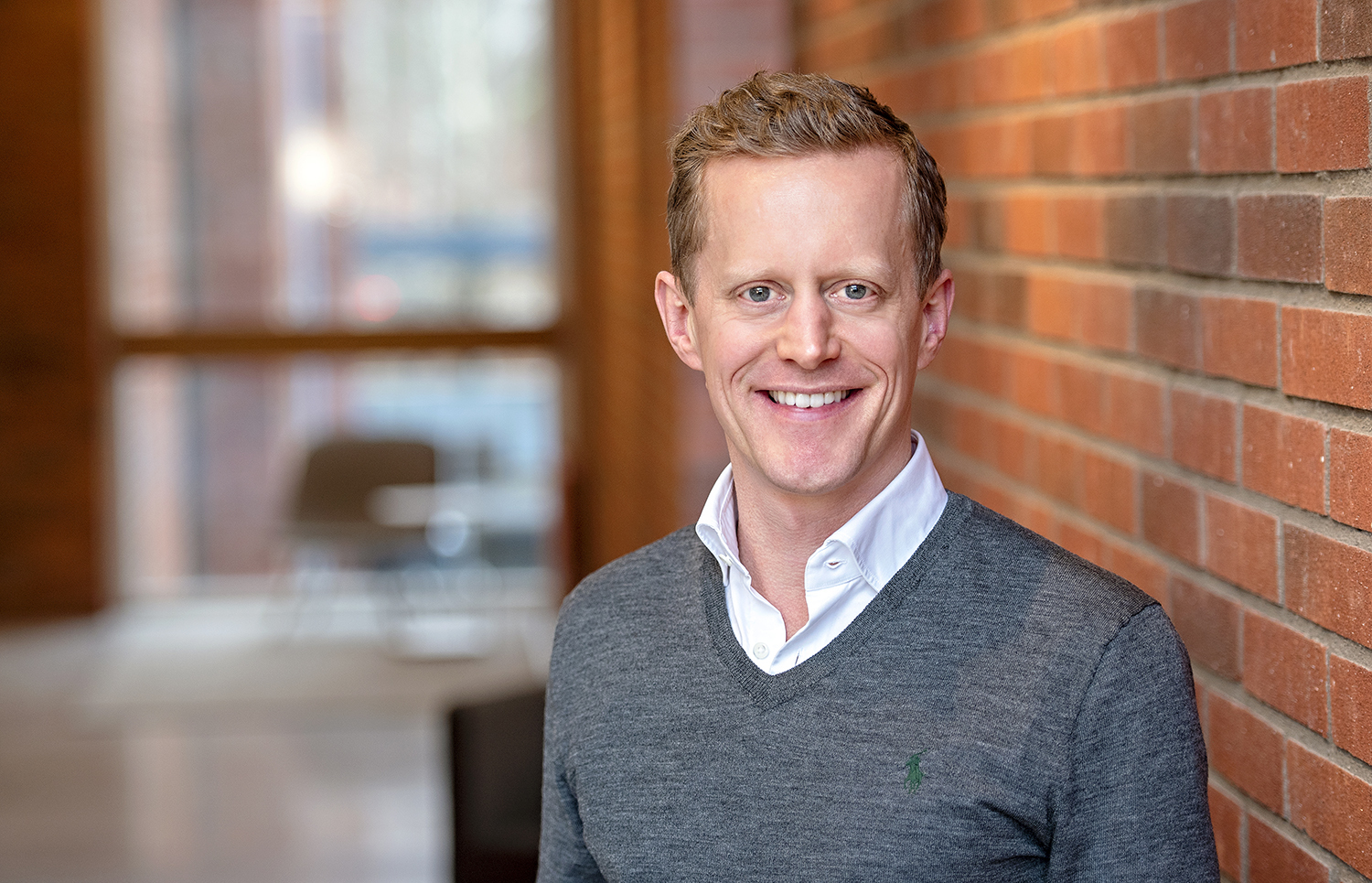
According to Cellcolabs CEO, Robin Bernow, success in these territories could pave the way for broader acceptance and regulatory support for MSC therapies globally. He envisions a future where MSCs shift healthcare from a reactive model – treating illness after it occurs – to a preventative one, potentially reducing healthcare costs and improving quality of life.
Bernow emphasizes that MSCs aren’t about achieving immortality, but about extending healthy lifespan. “We’ve added years with lower life quality,” he stated. “If stem cells can delay chronic disease onset,we can start prolonging our healthy lifespan.”
Details Not Explicitly Mentioned in the Original Article:
MSC Sourcing: The article doesn’t specify the source of MSCs used by Cellcolabs (bone marrow, adipose tissue, etc.).
Bioreactor Specifics: The type of bioreactor being developed (e.g., stirred-tank, wave bioreactor) is not detailed.
Trial Design: The article doesn’t provide specifics about the clinical trial designs (e.g., randomized, double-blind, placebo-controlled).
Funding: Information regarding Cellcolabs’ funding sources is absent. Competitive Landscape: The article doesn’t mention other companies working in the MSC therapy space.
* Intellectual Property: No details are provided regarding Cellcolabs’ patents or intellectual property related to their bioreactor platform or MSC applications.
