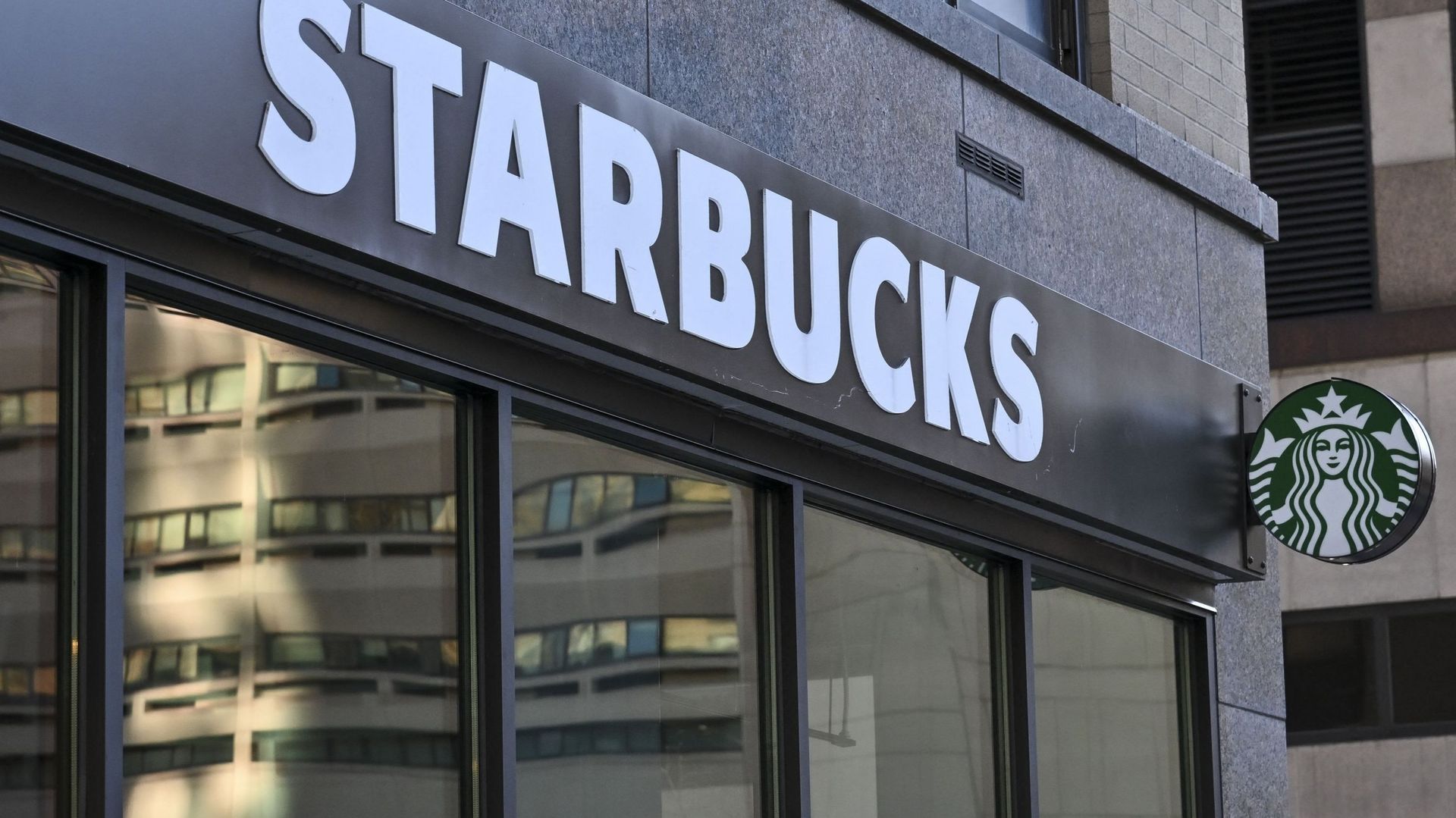
Starbucks faces operational challenges from mass scale expansion
Retail analysts point to an evolution from an artisanal concept into a large-scale global brand. Founded in the United States in 1971, the brand expanded across Asia and the Middle East before arriving in Europe in the late 1990s and early 2000s, opening its first Belgian location at Brussels Airport in 2008.
The Weight of Mass Scale
The core challenge facing the corporation stems directly from its massive scale. Pierre-Alexandre Billiet, managing director of the retail-focused magazine Gondola, notes that Starbucks grew from an emblematic brand into an industrial behemoth.
Managing 18,000 coffee shops requires a different operational model than running one, two, or three artisanal locations. According to Billiet, this necessary expansion inevitably compromised the original warmth and identity of the brand, replacing it with rigid commercial organization.
The Shift From Neighborhood Charm to Standardization
Twenty to twenty-five years ago, the brand cultivated a distinctively friendly, neighborhood-style atmosphere.
Customers experienced a distinctly informal environment where baristas occasionally poured the wrong order and handed out a second coffee on the house, or playfully scrawled incorrect names on paper cups. Over time, that community-centric personality faded as locations morphed primarily into standardized points of sale.
Corporate Expansion Versus Original Identity
Growth fundamentally alters the corporate equation, turning a unique lifestyle brand into a ubiquitous consumer product.
Billiet explains that while this evolution was unavoidable given the company’s global ambitions, the heavy reliance on rigid commercial structures ultimately eroded the initial charm that drew early patrons to the counter.