St. Paul City Council Urges End to Flock Camera Use Amid Privacy Concerns
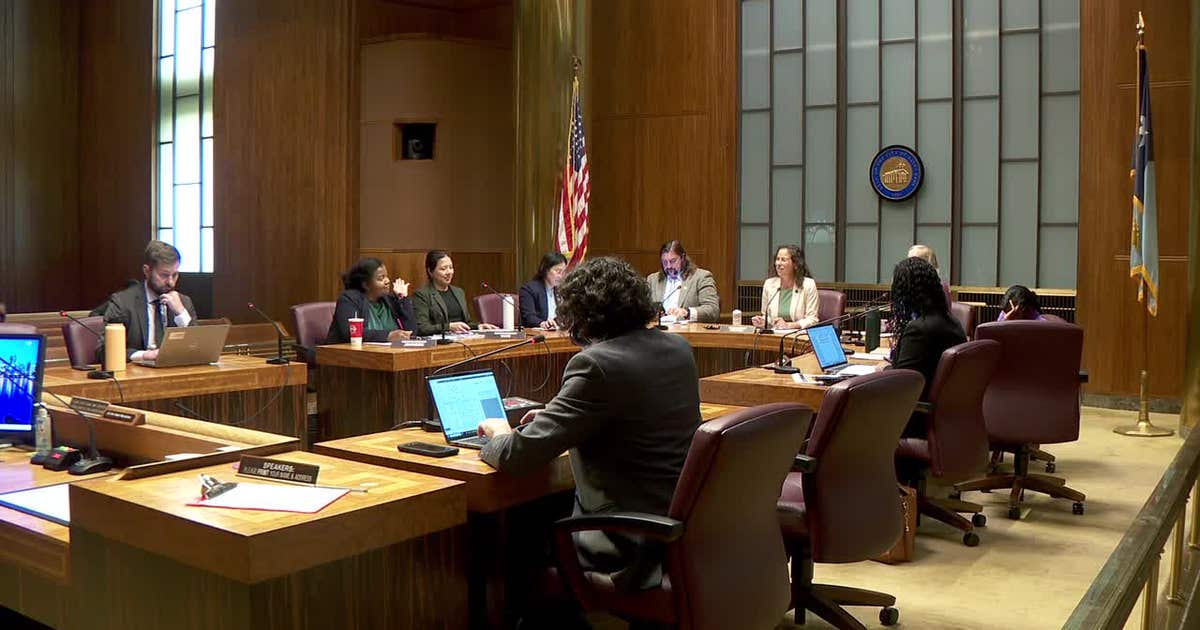
The St. Paul City Council voted 7-0 on Wednesday afternoon to pass a non-binding resolution calling for the removal of Flock Safety license plate reader cameras from the city. The action follows revelations that surveillance data was shared with federal authorities during last winter’s Operation Metro Surge, prompting significant local privacy concerns.
The Shift in St. Paul’s Surveillance Strategy
While the resolution is non-binding, it signals a firm legislative intent to discontinue the use of Flock cameras, which utilize artificial intelligence to monitor vehicle movements and license plates. St. Paul Mayor Kaohly Her and Police Chief Axel Henry confirmed in a joint statement that the two cameras currently owned by the city will be removed.
According to city officials, license plate data captured by local law enforcement cameras was shared with regional partners, who subsequently granted federal agencies access during the winter operation.
Ramsey County and the Scope of Flock Deployment
While the city is moving to scrub its own surveillance footprint, the broader infrastructure remains intact. Ramsey County Sheriff Bob Fletcher has indicated that his office maintains 35 Flock cameras across the county, with at least a dozen believed to be within the St. Paul city limits. The sheriff has previously defended the technology, citing its efficacy in solving serious criminal investigations.
Council President Rebecca Noecker stated that the council’s resolution serves as an attempt to “go as far as we can” within their jurisdictional limits. Because the original contracts were executed by the police department and the administration rather than the council, members are now calling on the mayor to evaluate all possible avenues for ending the county-level agreements.
A Regional Pattern of Surveillance Rejection
St. Paul joins a growing list of Minnesota jurisdictions that have either paused or terminated their contracts with Flock Safety. According to reports, municipalities including Duluth, Columbia Heights, and Winona, as well as Isanti and Sherburne counties, have opted to discontinue or suspend the use of the technology following trial periods or public backlash.

The primary critique, voiced by both community members and council representatives, centers on the potential for “mission creep.” Critics argue that license plate readers—designed to identify stolen vehicles or suspects—can be used to track the daily movements of private citizens, including visits to sensitive locations. There are also documented instances across the United States where the technology has been misused by law enforcement personnel to monitor personal acquaintances, such as romantic partners.
“We’ve had a lot of deliberation and conversation about this issue,” Noecker stated during the council session, emphasizing that the decision was driven by the clear, vocal opposition from local constituents.
Legislative Calls for Statewide Standards
As the city prepares to remove its hardware, the focus is shifting toward the Minnesota State Legislature. In their joint statement, Mayor Her and Chief Henry explicitly requested that the state government establish a uniform standard for police surveillance. Such a standard would aim to bridge the gap between necessary public safety measures and the constitutional expectation of privacy.
Until a statewide framework is enacted, the use of AI-driven surveillance remains a patchwork of local policies. The 60-day window provided by the council for the mayor’s office to report back on contract termination options will be the next major milestone in this ongoing dispute.
The removal of the two city-owned cameras serves as a symbolic victory for privacy advocates, yet the presence of dozens more county-owned units ensures that the conversation is far from over.