
“`html
Biomass Satellite Reveals First Images, Illuminating Forest Carbon’s Role
A groundbreaking satellite, “Biomass,” equipped with cutting-edge European technology, has transmitted its initial images of Earth, offering unprecedented insights into forest carbon mapping.Launched in April, the european Space Agency (ESA) probe aims to deepen our understanding of the global carbon cycle and the critical role forests play.
Unveiling earth’s hidden Carbon Stores
The Biomass mission is designed to capture the most detailed measurements of forest carbon ever recorded from space. This is achieved using the first-ever P-band radar to enter orbit. This innovative instrument uses long wavelengths that can penetrate dense forest canopies to reach the woody structures beneath, where the majority of a forest’s carbon is stored.
Did You Know? The world’s forests store an estimated 296 gigatonnes of carbon in their biomass. FAO Global Forest Resources Assessment 2015
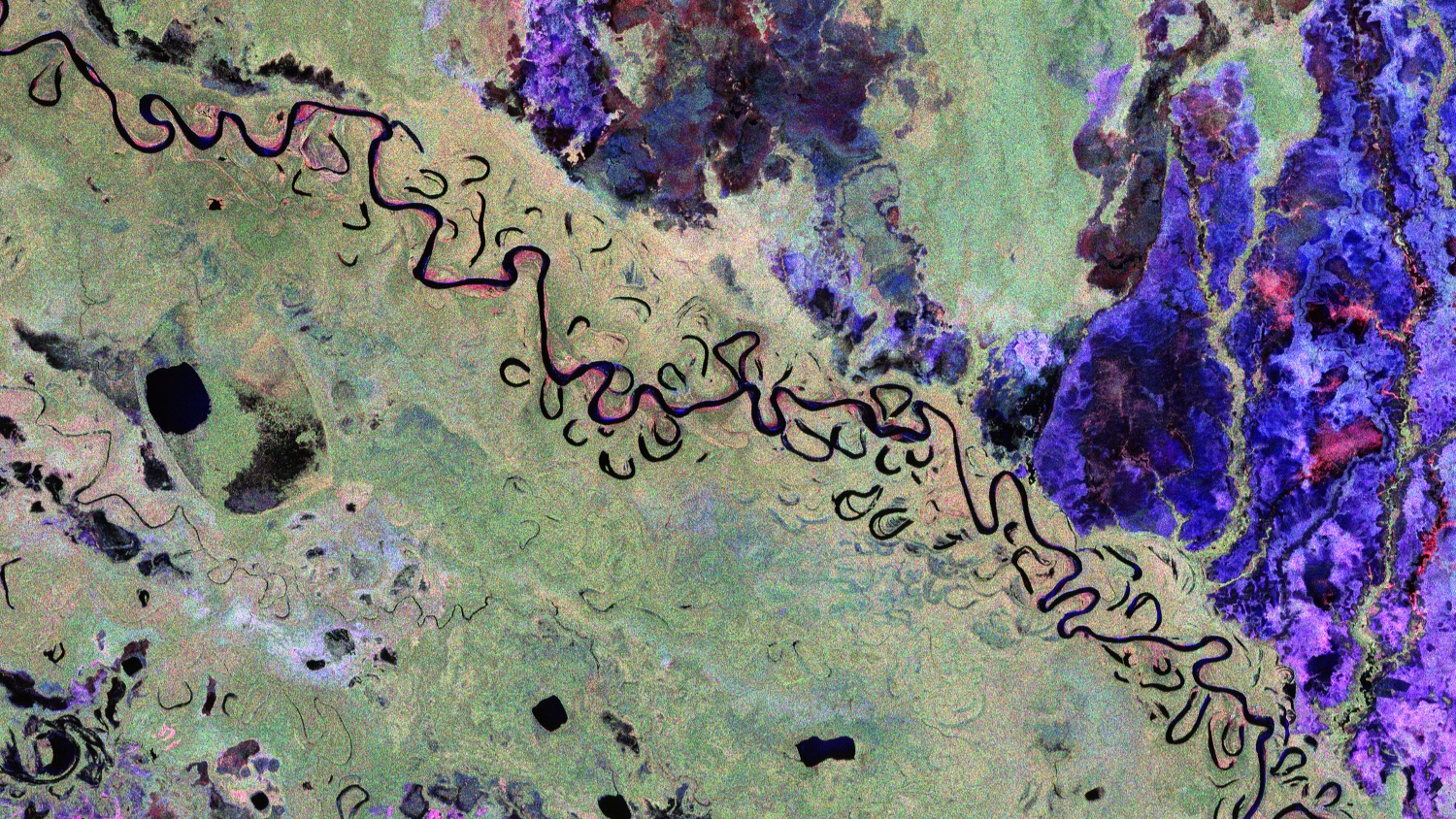
Beyond forests, the probe’s capabilities extend to mapping subsurface geology in deserts, analyzing the structure of ice sheets, and detailing forest floor topography.The initial images showcase the Rio Beni meandering through Bolivia’s rainforests, with different colors representing distinct landscape characteristics.
How Biomass Works: A Symphony of Space Technology
Orbiting Earth at an altitude of approximately 6
