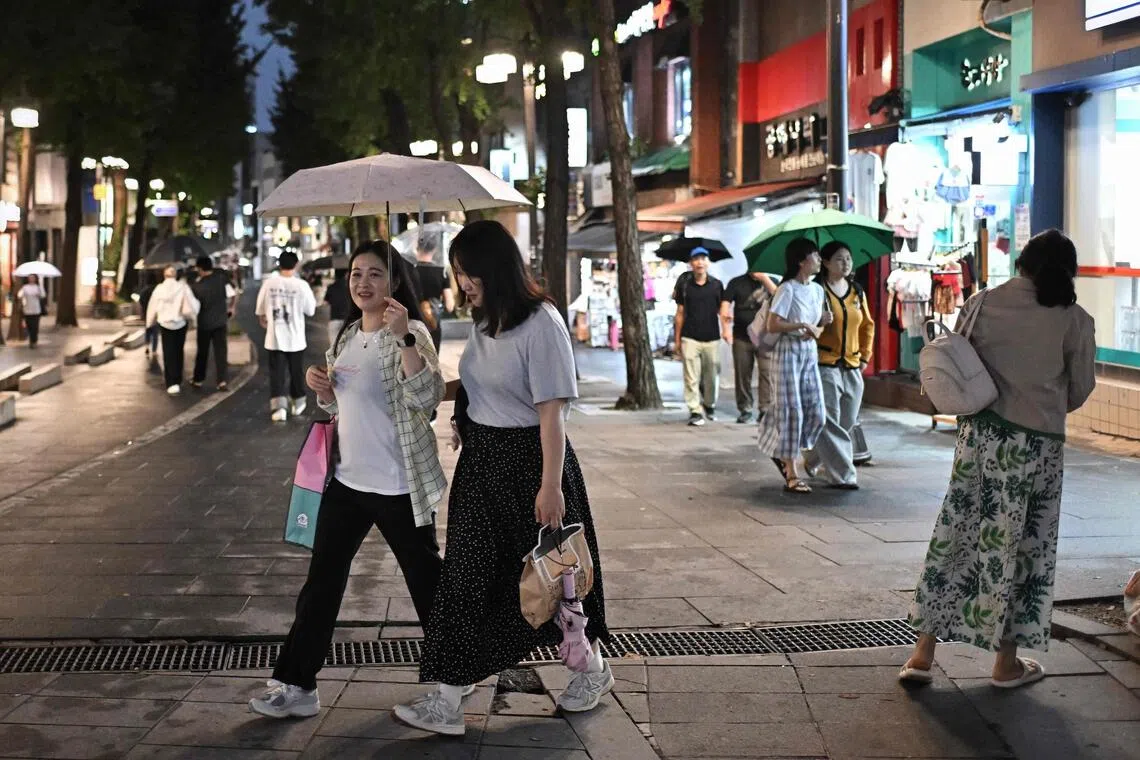
South Korea Tourism Boom Hit By Record Tourist Complaints In Just Seven Months
Tourist complaints in South Korea reached 1,753 between January and July, already surpassing the 1,744 cases logged for the entirety of 2024, according to data released by the Korea Tourism Organization. The figures, compiled from the Korea Tourism Data Lab, point to reckless taxi driving, poor accommodation practices, and overcharging as the primary grievances for travelers navigating the country’s ongoing tourism boom.
Regional Spikes and Major Event Pressures
Seoul recorded the highest volume of grievances with 665 complaints during the seven-month period, according to the Korea Tourism Organization. Busan followed with 594 cases, Incheon logged 176, and Jeju Island recorded 155. Busan’s total surged to nearly two and a half times the 239 complaints registered during the same timeframe last year, a spike that coincided with a BTS concert in June that drew approximately 110,000 visitors to the southern port city.
Foreign visitors accounted for 84.3 percent of all complaints filed through the Tourist Complaint Center website and the Korea Travel Hotline (1330), a service utilized primarily by travelers facing language barriers. Complainants from China submitted the largest share at 680 cases, followed by South Korean nationals at 276, Japanese visitors at 263, Taiwanese travelers at 182, and Hong Kong residents at 87.
Lodging Disputes and Price Gouging Lead Grievances
General lodging issues topped the category breakdown with 500 reported cases, driven largely by unilateral booking cancellations and excessive penalty fees. Unfriendly service and overcharging at retail stores ranked second with 376 complaints. Airport and airline services generated 186 grievances, while taxi-related infractions—including meter refusals and reckless driving—accounted for 182 complaints. Hotel-specific issues, covering unilateral cancellations, poor service, and hygiene concerns, totaled 146 cases.

Unfair cancellation penalties at accommodations have flared repeatedly around major cultural events, including K-pop concerts, according to industry observers. Yoon Ji-hwan, a tourism professor at Kyung Hee University, noted that negative experiences shared on social media can quickly spread and damage the broader sector as inbound arrivals top 10 million before the end of the first half of the year.