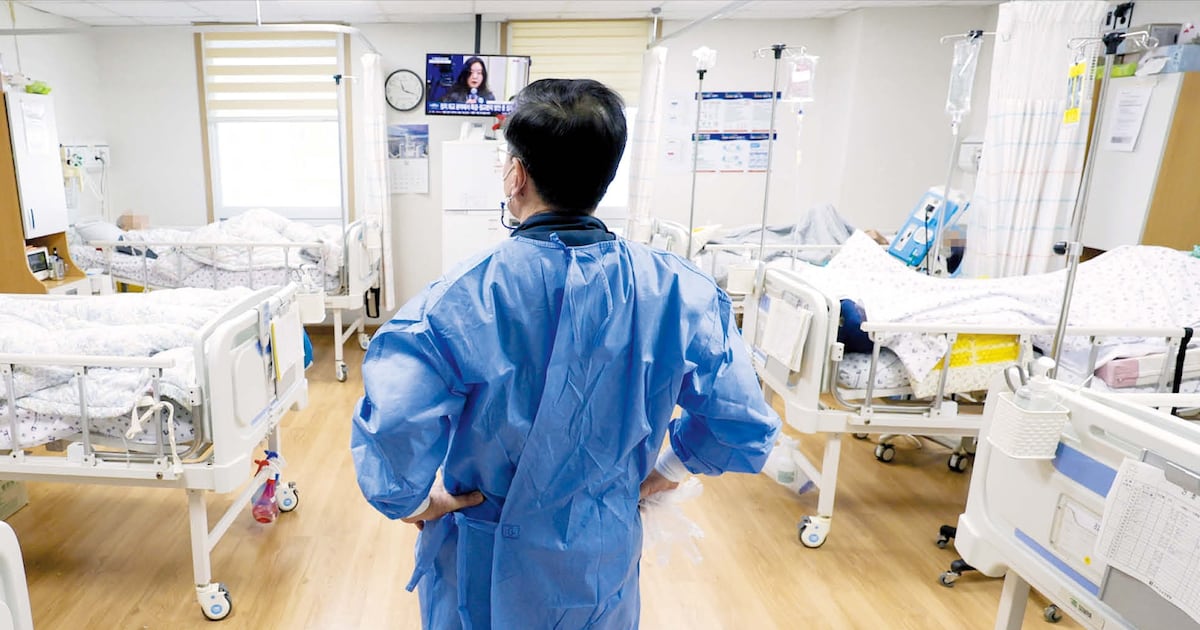
South Korea to Restructure Nursing Hospitals to Combat Bed Surplus and Fraudulent Care
The South Korean government has launched a structural overhaul of the nation’s long-term care sector to eliminate “zombie” nursing hospitals that prioritize bed occupancy over patient care, according to a report by the Chosun Ilbo on July 4, 2026. The initiative marks the first major systemic restructuring of the sector in 32 years, targeting the closure or conversion of approximately 800 underperforming facilities while providing enhanced support to 500 medical-centric institutions.
- Systemic Purge: The government will phase out “zombie” hospitals that sustain operations by filling beds with patients who do not require acute medical intervention.
- Bed Surplus: South Korea’s hospital bed capacity is nine times the OECD average, creating a financial incentive for facility proliferation over quality of care.
- Triage Model: Resources will shift toward 500 specialized medical centers, separating long-term custodial care from acute medical treatment.
South Korea currently faces a critical imbalance in its healthcare infrastructure. Data indicates the country maintains a bed-to-population ratio significantly higher than the OECD average, a discrepancy that has fostered a market where nursing hospitals operate as real estate ventures rather than clinical entities. This “bed-filling” phenomenon often leads to the prolonged hospitalization of patients who could be managed in lower-cost community settings, contributing to increased morbidity and healthcare inflation.
The current pathogenesis of this crisis lies in the reimbursement structure, which historically incentivized the quantity of patients over the quality of clinical outcomes. By maintaining high occupancy rates, facilities ensure a steady stream of government insurance payouts regardless of the patient’s actual medical need for acute care. This creates a clinical gap where patients are sequestered in facilities lacking the specialized equipment or staffing ratios required for complex geriatric syndromes.
“The proliferation of low-quality nursing hospitals has created a vacuum in actual medical care, where the focus is on survival through occupancy rather than recovery through treatment,” according to analysis of the current healthcare landscape provided by the Chosun Ilbo.
Why is the government targeting “zombie” nursing hospitals now?
The decision to intervene after 32 years stems from an unsustainable trajectory in public health spending and a decline in the standard of care for the elderly. The government aims to shift the paradigm from “long-term hospitalization” to “community-based integrated care.” This transition is designed to reduce the prevalence of hospital-acquired infections and the physical decline associated with institutionalization, often referred to as “institutional syndrome.”
For families managing the transition of a loved one from a high-occupancy facility to a more appropriate care setting, the process requires precise clinical triage. It is highly recommended to consult with [Board-Certified Geriatricians] to determine if a patient requires acute medical intervention or specialized long-term nursing care to avoid unnecessary hospitalization.
How will the restructuring process work?
The government’s strategy divides the current landscape into two distinct categories. The first group consists of 500 facilities identified as “medical-centric.” These institutions will receive expanded support and funding to upgrade their diagnostic capabilities and staffing levels, effectively becoming hubs for acute geriatric care. The remaining 800 facilities, categorized as those primarily engaged in “life-sustaining” occupancy without providing significant medical value, will be subject to strict structural adjustments or closure.

This shift mirrors global trends in healthcare, such as those documented by the World Health Organization (WHO) regarding the integration of health and social care. By reducing the number of available beds, the government intends to force a market correction, ensuring that only facilities meeting stringent clinical standards remain operational.
As these regulatory shifts occur, nursing home operators and medical facility owners must ensure their operations align with the new government mandates to avoid sudden closures. Healthcare providers are currently retaining [Healthcare Compliance Attorneys] to audit their patient intake protocols and ensure they meet the new “medical-centric” criteria.
What are the risks to patient stability during this transition?
The primary clinical risk during this mass restructuring is “transfer trauma,” where elderly patients with cognitive impairments or fragile hemodynamic stability suffer setbacks during relocation. To mitigate this, the government is emphasizing a phased transition. However, the sudden removal of 800 facilities could create a temporary shortage of beds for those who truly require custodial care.
From a clinical perspective, the focus must remain on the standard of care. The goal is to move patients from a state of passive existence in a “zombie” hospital to an active care plan. This involves a rigorous assessment of contraindications for certain long-term medications and a re-evaluation of the patient’s functional status using validated scales such as the Barthel Index, often cited in PubMed research on geriatric rehabilitation.
For facilities looking to transition into the “medical-centric” category, investing in advanced diagnostic tools is essential. Many are partnering with [Medical Equipment Distributors] to implement point-of-care testing and remote monitoring systems that prove a facility’s ability to provide acute care.
What is the long-term impact on the South Korean healthcare system?
The long-term objective is to align South Korea’s bed capacity with international norms and reduce the financial burden on the National Health Insurance Service. By eliminating the incentive to simply “fill beds,” the government hopes to encourage the development of home-based care and specialized clinics that treat specific comorbidities rather than providing generalized, low-intensity warehousing of the elderly.

This restructuring is not merely an administrative change but a clinical necessity. The high morbidity rates associated with prolonged, unnecessary hospitalization in low-quality facilities have historically skewed public health data. By narrowing the funnel to 500 high-quality centers, the government expects to see an improvement in the overall survival quality and a reduction in the cost per patient episode.
The trajectory of this reform suggests a future where healthcare is decentralized, moving away from the massive institutional model toward a precision-based, community-integrated system. To ensure patients receive the highest standard of care during this transition, families should utilize vetted directories to find [Accredited Long-Term Care Facilities] that prioritize rehabilitative outcomes over simple bed occupancy.
Disclaimer: The information provided in this article is for educational and scientific communication purposes only and does not constitute medical advice. Always consult with a qualified healthcare provider regarding any medical condition, diagnosis, or treatment plan.