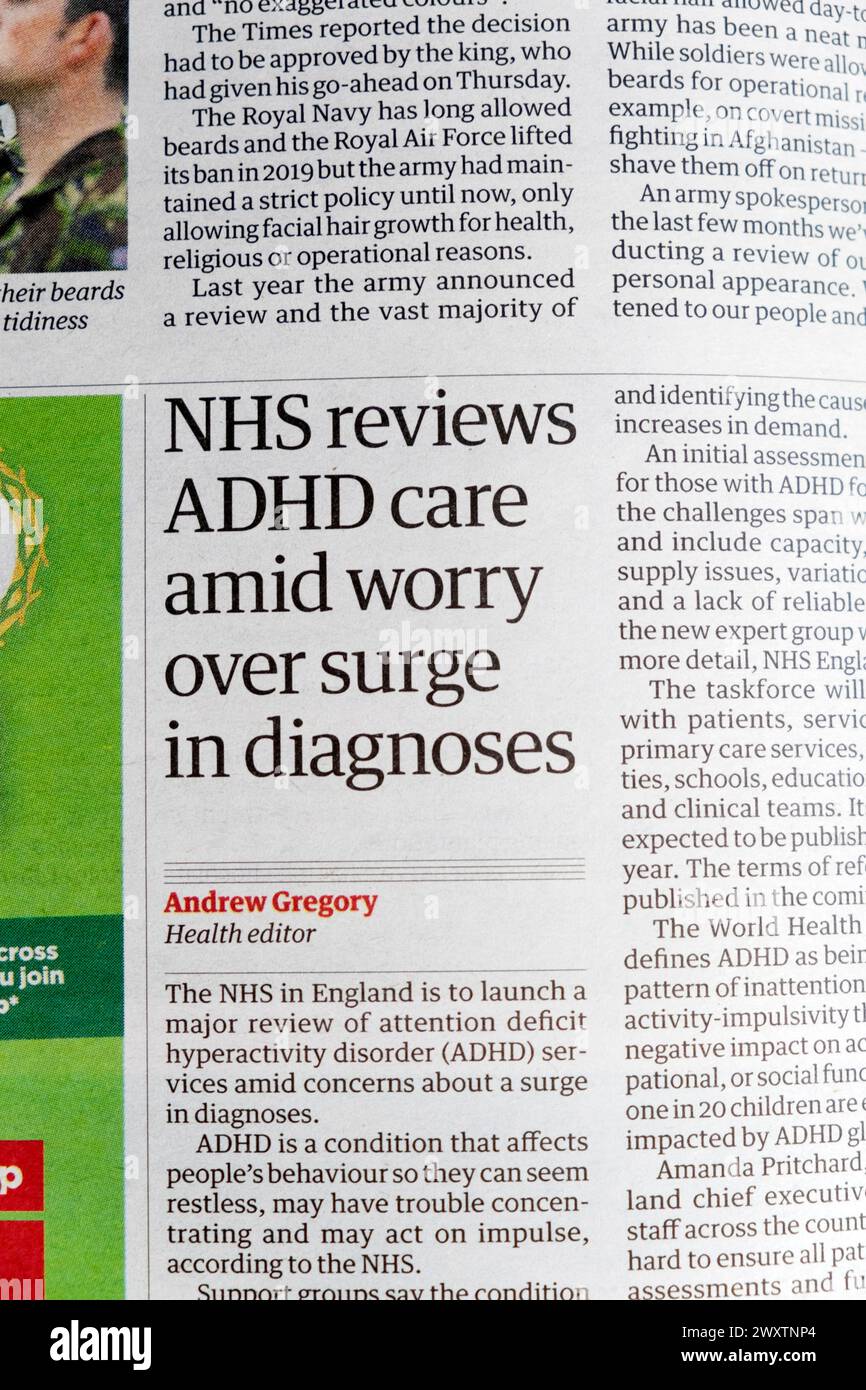
Complaints Over Autism and ADHD Care Triple in England
Formal complaints regarding the provision of care for autism and attention deficit hyperactivity disorder (ADHD) in England have increased by more than 300% over the last five years, according to data disclosed by the Local Government and Social Care Ombudsman. This surge in grievances highlights a significant breakdown in the delivery of neurodevelopmental diagnostic services and ongoing therapeutic support, as local authorities and healthcare providers struggle to manage rising caseloads and systemic resource constraints.
Key Clinical Takeaways:
- Official data confirms a greater than threefold increase in complaints related to autism and ADHD service delivery since 2019.
- Delayed diagnostic pathways and the failure to implement statutory education and health care (EHC) plans represent the primary drivers of patient and caregiver dissatisfaction.
- Families are increasingly forced to seek legal intervention or private diagnostic alternatives due to prolonged waiting times that exceed national clinical guidelines.
The Escalation of Systemic Service Failures
The Ombudsman’s findings indicate that the volume of complaints has risen from 1,029 in the 2019/20 period to 3,454 in 2023/24. This trend mirrors a broader crisis in pediatric mental health and neurodevelopmental assessment, where the demand for clinical evaluation has outpaced the expansion of multidisciplinary teams. According to the World Health Organization, early identification and evidence-based intervention are critical to mitigating the long-term morbidity associated with untreated neurodevelopmental conditions; however, the current data suggests that the “standard of care” is failing to reach a substantial portion of the population.
Clinical experts note that the pathogenesis of these complaints is linked to the “wait-list effect,” where prolonged delays exacerbate symptoms and necessitate more intensive support interventions. When local authorities fail to meet their obligations for timely assessment, the resulting lack of clinical oversight can lead to secondary psychiatric comorbidities. For families navigating this environment, securing a timely, evidence-based assessment is often the first obstacle. It is recommended that those facing significant delays consult with independent diagnostic centers that specialize in neurodevelopmental assessments to bridge the gap in service provision.
Diagnostic Bottlenecks and Regulatory Compliance
The regulatory failure often centers on the failure to fulfill the legal requirements of Education, Health and Care (EHC) plans. These plans are designed to ensure that children with neurodivergent profiles receive necessary adjustments in educational and clinical settings. When these plans are ignored or inadequately implemented, the legal burden shifts to the guardians to challenge local authority decisions. This process is frequently fraught with administrative complexity, often requiring the guidance of healthcare compliance attorneys who understand the intersection of statutory obligations and clinical necessity.
“The rise in complaints is not merely a statistical anomaly but a reflection of a system that is currently unable to reconcile clinical demand with the available infrastructure,” notes a senior policy analyst familiar with the Ombudsman’s report. The data indicates that the most common points of contention involve the failure to provide the specific therapy or support mandated by a child’s clinical profile. This breakdown necessitates a more robust audit of local service delivery models to ensure that the NICE guidelines for autism and ADHD diagnosis are being applied with appropriate clinical fidelity.
Long-term Clinical Consequences of Delayed Intervention
The absence of early intervention is associated with increased risk for long-term social and functional impairment. Epidemiological studies published in PubMed demonstrate that children who receive consistent, multidisciplinary care—incorporating behavioral therapy, pharmacological management, and school-based support—exhibit improved long-term outcomes compared to those who face extensive diagnostic delays. The current trend of rising complaints serves as a warning that the public health infrastructure is not currently optimized to handle the prevalence of these neurodevelopmental conditions.
Healthcare providers and clinics are currently pivoting to address these gaps through expanded telehealth assessments and improved triage protocols. For parents and guardians, proactively engaging with board-certified pediatric neurologists or psychiatrists can help secure a diagnosis that meets clinical standards, even as the broader public health system undergoes necessary reform. As the sector moves forward, the focus must remain on reducing the time-to-treatment interval and ensuring that every patient receives a comprehensive, peer-reviewed diagnostic process that aligns with current international consensus.
The trajectory of this issue suggests that without significant investment in workforce capacity and administrative oversight, the volume of legal and formal grievances will likely persist. Future policy directives must prioritize the integration of diagnostic services with ongoing psychosocial support to prevent the further erosion of patient trust and clinical efficacy.
Disclaimer: The information provided in this article is for educational and scientific communication purposes only and does not constitute medical advice. Always consult with a qualified healthcare provider regarding any medical condition, diagnosis, or treatment plan.