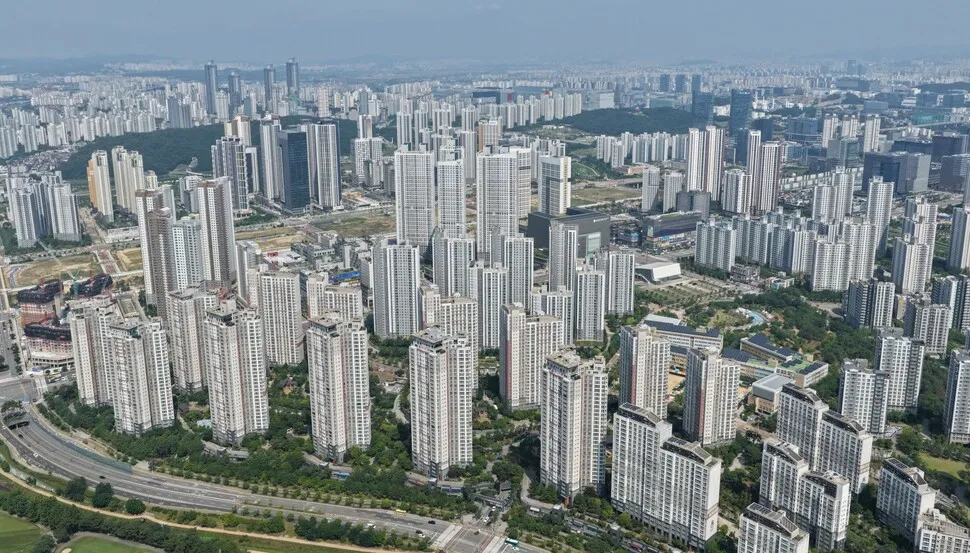
South Korea Imposes New Real Estate Regulations on Dongtan, Giheung, and Guri to Curb Housing Prices
Seoul’s Triple-Lock on Gyeonggi Real Estate
South Korean authorities have slammed the brakes on residential property speculation. Effective as of late June 2026, the government has imposed a “triple regulation” framework across Dongtan, Giheung, and Guri, designating the areas as official land transaction permit zones. The move is a direct attempt to cool rapid market appreciation and choke off speculative capital inflows.
Municipal Oversight and Transactional Gridlock
The Ministry of Land, Infrastructure and Transport (MOLIT) is now the gatekeeper for property movement in these Gyeonggi-do corridors. By mandating municipal approval for every deal, officials hope to squeeze out the speculative demand that has historically fueled price volatility. Data from MOLIT confirms the intent: by barring non-residents from snapping up investment properties, the state is intentionally compressing transactional volume.

For high-net-worth investors and commercial developers, the era of easy liquidity is over. Firms are scrambling to recalibrate portfolios, often turning to specialized real estate legal counsel to master the new, labyrinthine permit application process.
The Balloon Effect and Regional Risks
Regulators are playing a high-stakes game of whack-a-mole. While the primary hubs are now under a microscope, history suggests a “balloon effect” is inevitable: capital will simply leak into neighboring, unregulated jurisdictions. Despite this, analysts at local financial institutions are not betting on an immediate, sharp price correction.
- Supply-Side Constraints: The policy addresses demand, ignoring the underlying lack of residential supply.
- Rental Stability: The jeonse (lump-sum deposit) market remains the true barometer for housing demand.
- Fiscal Sensitivity: High interest rates continue to crush borrowing capacity, acting as a natural—and painful—regulatory force.
“The designation targets speculative activity, but the structural scarcity of housing in these high-demand zones remains the primary driver of price discovery,” a senior analyst noted in a recent market briefing.
Political Friction Over Property Rights
The policy has ignited a fierce debate in the halls of power. Lawmakers, including Lee Jun-seok, are pushing back, arguing that the sudden, heavy-handed shift unfairly burdens average homeowners rather than merely curbing speculators. For institutional investors, this creates a volatile environment where housing affordability and private property rights are increasingly at odds.
Corporate Adaptation and Yield Optimization
For B2B entities, the “triple regulation” is a source of operational friction. Demand for enterprise-grade real estate valuation services is surging as stakeholders struggle to forecast long-term asset yields under the new regime. In this climate, proactive risk mitigation is no longer optional—it is the only path to survival.
The Second-Half Market Recalibration
As the market enters the second half of 2026, investors must prepare for a long, quiet period of low transaction volume. The aggressive acquisition strategies of the past are dead. Today, the focus must be on yield optimization and portfolio diversification.
Maintaining a competitive edge now demands precise, data-driven intelligence. Organizations are increasingly consulting strategic financial advisory firms to ensure capital remains resilient against regulatory headwinds. The market’s future now rests on a razor’s edge: whether this fiscal tightening can find harmony with broader macroeconomic indicators, specifically the central bank’s upcoming moves on base rates and inflation targets.