
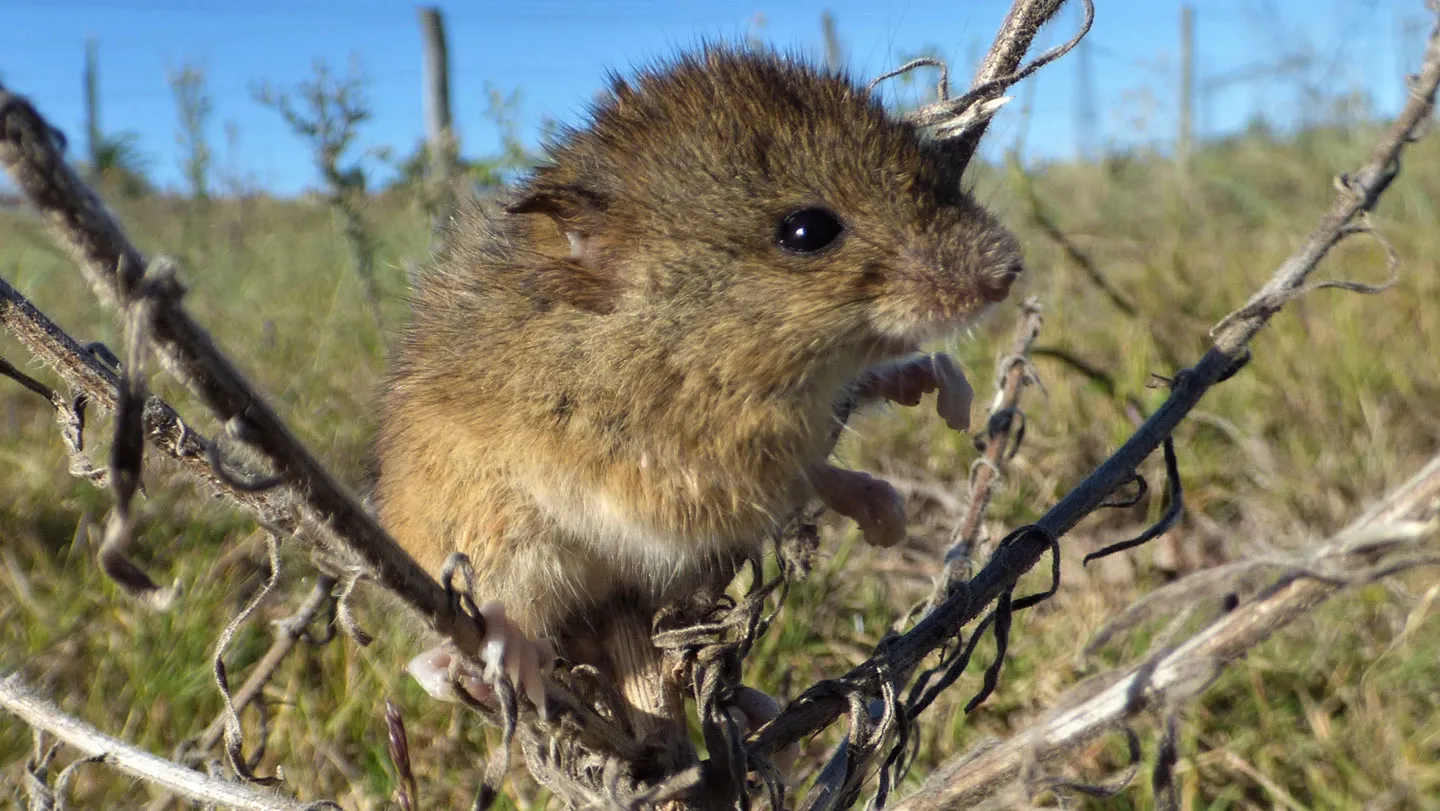
Some South American rodent-borne viruses may spread as climate warms
The geographic boundary of zoonotic risk is shifting. As climate change alters rainfall patterns and temperature gradients across South America, rodent-borne arenaviruses are migrating into previously unaffected regions, creating a critical blind spot for public health surveillance and increasing the probability of unrecognized spillover events in human populations.
Key Clinical Takeaways:
- Climate-driven habitat shifts are pushing New World arenaviruses into new South American territories.
- These viruses cause severe hemorrhagic fevers with case fatality rates ranging from 5% to 30%.
- A lack of clinical awareness in newly at-risk regions poses a significant risk for misdiagnosis and delayed intervention.
The intersection of climatology and epidemiology has revealed a troubling trajectory for New World arenaviruses. Research published in npj Viruses indicates that the environmental niches supporting rodent hosts are expanding and shifting, effectively transporting deadly pathogens into communities that lack the diagnostic infrastructure or clinical experience to manage them. This is not a matter of viral mutation, but of ecological displacement. When the habitat of a viral reservoir shifts, the risk of zoonotic spillover—the transmission of a pathogen from animals to humans—scales proportionally.
The Pathogenesis of Hemorrhagic Arenaviruses
Arenaviruses are single-stranded RNA viruses that primarily target macrophages and dendritic cells upon entry into the human host. The resulting systemic inflammatory response triggers a cascade of vascular permeability and coagulopathy, leading to the hallmark hemorrhagic manifestations of the disease. Patients typically present with a non-specific prodromal phase characterized by fever, myalgia, and malaise, which frequently leads to initial misdiagnosis as influenza or dengue fever. As the disease progresses, the pathogenesis involves severe capillary leak and multi-organ failure.

The South American cluster includes the Guanarito virus (prevalent in Venezuela and Colombia), the Machupo virus (Bolivia and Paraguay), and the Junin virus (Argentina). The morbidity associated with these agents is profound, often requiring intensive care support to manage hemodynamic instability. Because these viruses are often restricted to specific rural or agricultural zones, many urban clinicians have never encountered a confirmed case. For healthcare providers in emerging risk zones, the ability to differentiate these fevers from more common tropical diseases is paramount. It’s highly recommended that regional clinics partner with board-certified infectious disease specialists to establish early warning protocols and differential diagnosis frameworks.
“The danger lies in the ‘silent expansion.’ When a virus enters a region where the medical community is not looking for it, the window for early intervention closes, and the case fatality rate inevitably climbs due to delayed supportive care.”
Climate Forcing and Vector Competence
The study led by Pranav S. Kulkarni of the UC Davis Weill School of Veterinary Medicine utilized climate projections to model how rodent populations—specifically the drylands vesper mouse and other reservoir species—will migrate over the next 20 to 40 years. As temperatures rise and precipitation patterns shift, regions that were previously too arid or too cold for these rodents are becoming viable habitats. This expansion of “suitable habitat” effectively creates a corridor for the virus to reach millions of additional people.
The mechanism of transmission is primarily through the inhalation of aerosolized rodent excreta, making farmworkers and those in rural construction particularly vulnerable. As these rodents settle into new agricultural zones, the probability of human-rodent interaction increases. This ecological shift necessitates a corresponding shift in diagnostic readiness. Many of these regions lack the high-containment facilities required to handle such pathogens safely. To mitigate this, local health authorities are increasingly relying on specialized diagnostic laboratories capable of performing advanced PCR and serological assays to confirm arenavirus presence without risking laboratory-acquired infections.
The Clinical Gap in Treatment and Prevention
Currently, the therapeutic landscape for New World arenaviruses is starkly limited. There are no universally approved antiviral treatments that provide a standard of care across all arenavirus strains. While a vaccine for the Junin virus is licensed in Argentina and may offer partial cross-protection against the Machupo virus, such preventative measures are not available in the regions where the virus is now projected to migrate. This creates a regulatory and logistical vacuum.

The absence of a standardized treatment protocol means that management is primarily supportive, focusing on fluid resuscitation and the management of secondary infections. The risk is compounded by the fact that these diseases are often not on the radar of public health officials in the newly affected areas. This gap in surveillance is a regulatory failure as much as a clinical one. As health ministries attempt to update their zoonotic monitoring frameworks to keep pace with climate shifts, many are retaining healthcare compliance attorneys to navigate the complex legal requirements of reporting emerging infectious diseases and managing cross-border health alerts.
The funding for this critical research, conducted at UC Davis, underscores the necessity of interdisciplinary investment. By integrating veterinary medicine, population health, and climate science, researchers can provide an early risk projection that allows healthcare systems to prepare before the first case appears. This proactive approach is the only viable strategy to reduce the morbidity associated with zoonotic spillover.
Future Trajectory of Zoonotic Surveillance
Looking ahead, the expansion of arenaviruses serves as a sentinel event for a broader trend of climate-driven disease migration. The ability of a pathogen to “ride” the shift of its host population means that historical epidemiological maps are becoming obsolete. The future of global health security depends on the transition from reactive treatment to predictive prevention. This will require a permanent infrastructure of genomic surveillance and a globalized network of clinicians trained in the recognition of rare zoonoses.
As we enter an era of unprecedented ecological instability, the responsibility falls on the medical community to remain vigilant. The transition of these viruses into new territories is not a possibility—it is a projection based on current climate data. Ensuring that the right specialists are in place to diagnose and treat these conditions is the only way to prevent a localized spillover from becoming a regional crisis. We encourage health administrators to utilize our directory to connect with the vetted experts necessary to fortify their regional defenses.
Disclaimer: The information provided in this article is for educational and scientific communication purposes only and does not constitute medical advice. Always consult with a qualified healthcare provider regarding any medical condition, diagnosis, or treatment plan.