
the dream of establishing lunar settlements,long a staple of science fiction,faces a notable hurdle: the moon lacks the essential resources to sustain human life. Beyond the absence of liquid water, the Moon’s incredibly thin atmosphere – essentially a vacuum – presents a critical challenge. Generating breathable air is paramount, and traditionally, this was thought to require importing atmospheric particles from Earth, a logistical and financial undertaking of unprecedented scale. Though, recent research suggests a surprising solution: nature may have already begun this process for us.
A groundbreaking study, published in December 2025 in the journal Communications Earth & Environment, reveals compelling evidence that solar winds are consistently transporting particles from Earth’s atmosphere to the Moon, where they accumulate on the lunar surface. This finding, spearheaded by a research team from the University of Rochester’s Department of Physics and Astronomy, could fundamentally alter our approach to lunar colonization, positioning the Moon as a crucial resource for both our future in space and a window into Earth’s past.
computer models revealed an unexpected phenomenon
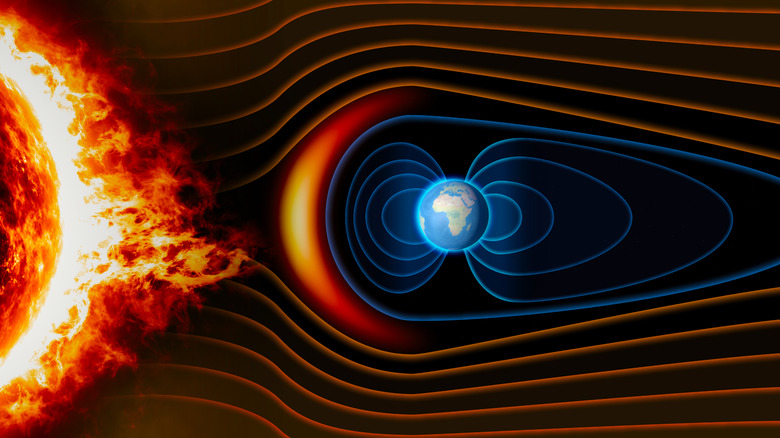
analysis of lunar regolith – the Moon’s soil – brought back by the Apollo missions revealed the presence of key atmospheric elements like nitrogen, carbon dioxide, helium, argon, and even water. The new research confirms that these elements didn’t originate on the Moon, but were instead carried by solar winds, streams of charged particles constantly emitted by the Sun, traveling at speeds up to 1 million miles per hour.
Previous theories suggested this transfer of atmospheric particles ceased when Earth developed its magnetic field approximately 4 billion years ago. However, the University of Rochester team’s computer simulations challenged this notion. Their models demonstrated that Earth’s magnetic field doesn’t block the transfer, but actually *facilitates* it. The magnetic field lines act as conduits, channeling charged particles towards the Moon, effectively creating a natural atmospheric pipeline.
What is the meaning of this discovery?
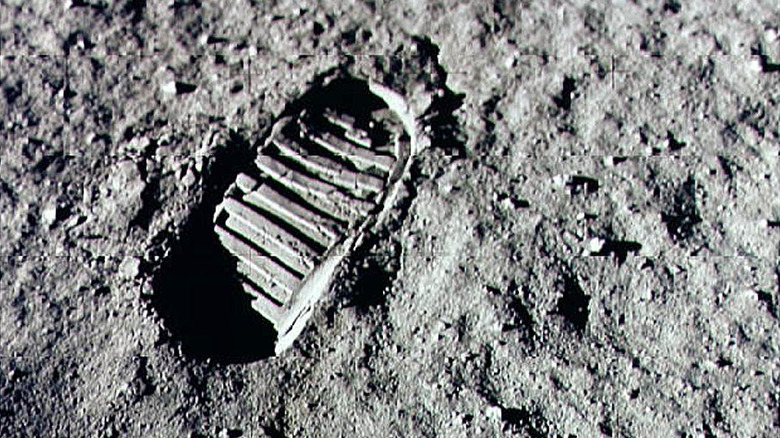
The research indicates that the transfer of Earth’s atmospheric components to the Moon hasn’t diminished over time, but has actually increased as the formation of Earth’s magnetic field. This has profound implications for understanding both our planet’s history and the feasibility of lunar colonization. The lunar regolith, continuously enriched with Earth’s atmospheric elements, effectively serves as a historical record of our planet’s atmospheric evolution. Analyzing this regolith could provide invaluable insights into the conditions that fostered life on Earth and inform strategies for creating habitable environments elsewhere.
The presence of these essential elements on the Moon simplifies the challenge of establishing a breathable atmosphere for future lunar settlements. While the precise methods for extracting and processing these resources remain to be developed, the fact that the raw materials are already present significantly reduces the logistical hurdles. However,challenges remain. As BGR previously reported, the Moon’s high radiation levels pose a significant threat to human health, requiring robust shielding and protective measures for any long-term inhabitants.
