Socioeconomic Status and Health Coverage Among Children of Immigrants
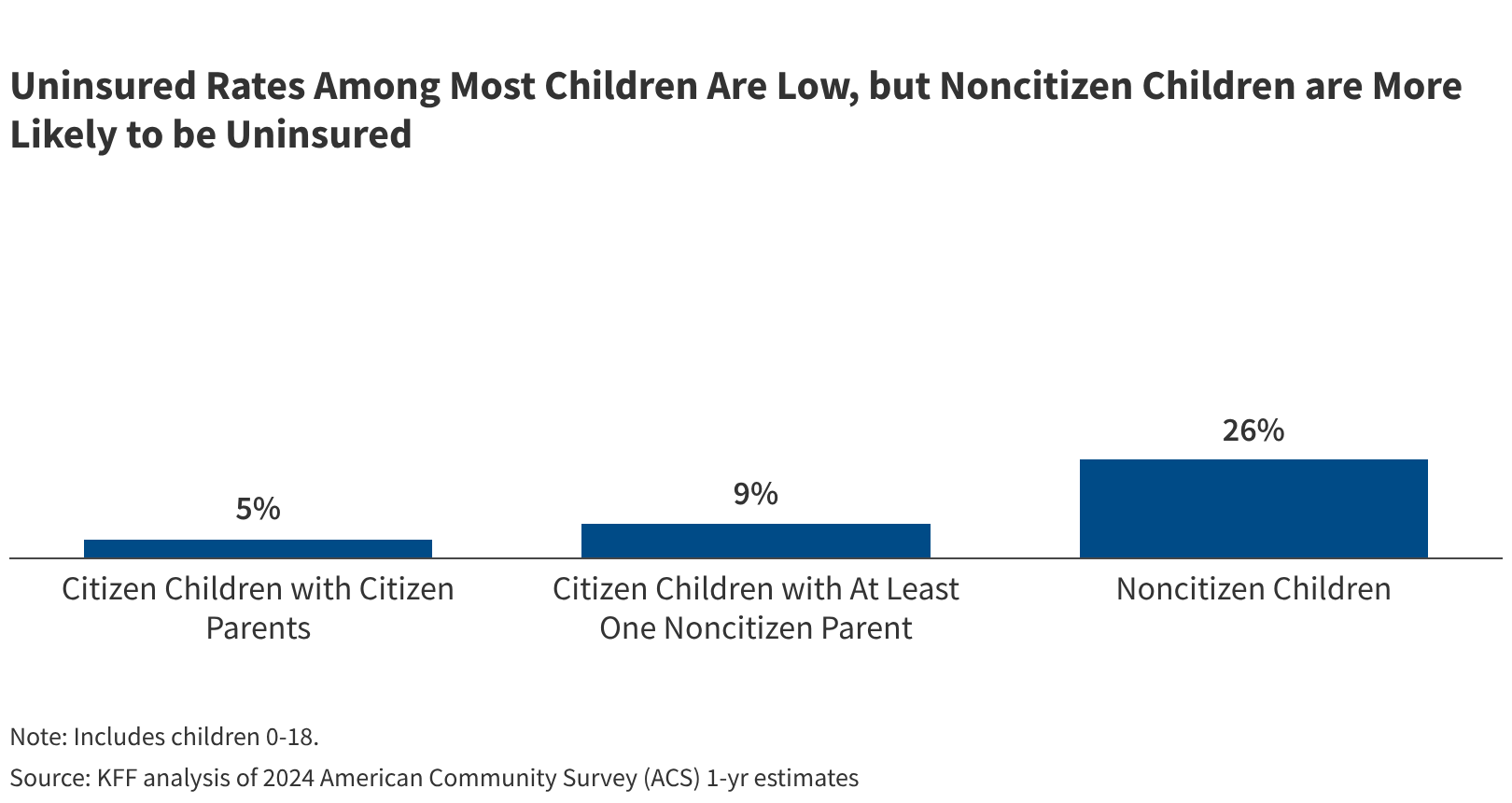
Children in immigrant families represent a significant and growing demographic within the United States, yet their clinical outcomes are frequently hindered by systemic barriers to health coverage and preventative care. As of May 2026, the intersection of socioeconomic vulnerability and restrictive policy landscapes necessitates a rigorous re-evaluation of how pediatric health equity is maintained in diverse populations. Analyzing data derived from the 2024 American Community Survey—funded and synthesized by KFF—reveals that these children face disproportionate challenges in accessing the standard of care required to mitigate long-term morbidity.
Key Clinical Takeaways:
- Children in immigrant families exhibit lower rates of private insurance coverage compared to their peers, often resulting in delayed preventative interventions and increased reliance on emergency medical services.
- Recent policy shifts as of late 2025 have exacerbated fears regarding public charge implications, leading to a measurable decline in the utilization of essential pediatric wellness services.
- Bridging the gap between marginalized communities and the healthcare system requires specialized advocacy and culturally competent clinical navigation.
The Epidemiological Impact of Coverage Gaps
The pathogenesis of health disparities in immigrant children is often rooted in structural determinants rather than biological predisposition. Clinical literature consistently demonstrates that consistent access to pediatric primary care is the primary variable in preventing the progression of chronic conditions such as asthma, diabetes, and neurodevelopmental delays. When insurance coverage is fragmented or non-existent, the diagnostic window for these conditions often closes prematurely, leading to late-stage presentations that are more difficult to manage and significantly more costly to the healthcare system.
The resilience of immigrant families is often conflated with a lack of medical need. From an epidemiological perspective, we are observing a dangerous accumulation of untreated pediatric health risks that will inevitably manifest as increased acute care burdens in the coming decade. Clinical systems must adapt to identify these high-risk cohorts before acute pathology sets in. — Dr. Elena Rodriguez, Lead Researcher in Public Health Policy
The KFF analysis of the 2024 American Community Survey underscores that financial barriers are not the sole determinant of care avoidance. Even when programs are theoretically available, administrative hurdles—such as complex documentation requirements and concerns over immigration status—serve as significant contraindications to seeking care. For families navigating these complexities, the guidance of specialized healthcare compliance attorneys is often essential to ensure that patients can exercise their rights to essential medical services without fear of punitive repercussions.
Clinical Triage and the Role of Preventive Medicine
In the absence of robust insurance, many families rely on community health centers that operate under severe resource constraints. The standard of care demands that we move beyond reactive medicine. Pediatricians and family medicine practitioners must prioritize early screening protocols. For those seeking to navigate the often-opaque landscape of public health resources, connecting with board-certified pediatric specialists who have extensive experience in underserved populations is a critical step in ensuring continuity of care.
Research published in portals such as PubMed highlights that the “healthy immigrant effect”—the observation that recent immigrants often have better health outcomes than their US-born counterparts—tends to erode the longer they remain in the country, largely due to the accumulation of socioeconomic stressors and the adoption of sedentary lifestyle patterns. This transition marks a critical period where clinical intervention can prevent the onset of chronic disease. Ensuring that these families have a reliable medical home is not merely an act of social equity; it is a fundamental requirement for population-level health management.
Navigating the Policy Landscape
Following the survey data collected in Fall 2025, public perception of policy stability remains a major deterrent to health-seeking behavior. When families perceive that accessing a clinic could jeopardize their residency status, they prioritize perceived safety over clinical necessity. This behavioral shift creates a negative feedback loop: lack of preventative care leads to poorer health status, which in turn necessitates more complex and expensive medical interventions later in life.
Clinicians and hospital administrators are tasked with the challenge of fostering an environment of trust. This often involves partnering with community health advocates who can translate complex health policy into actionable, accessible language. By lowering the barrier to entry, we can ensure that the pediatric population—regardless of the immigration status of their parents—receives the vaccinations, screenings, and acute care necessary for healthy development.
Future Trajectories in Pediatric Equity
The future of pediatric health in the United States depends on our ability to decouple medical care from punitive policy structures. As longitudinal studies continue to track the developmental outcomes of children in immigrant families, the evidence remains clear: systemic investment in early, preventative, and accessible care is the most effective strategy to reduce long-term morbidity and healthcare expenditure. We must continue to rely on data-driven approaches to identify where the gaps in the medical safety net exist and work systematically to close them through evidence-based policy and inclusive clinical practice.
For healthcare providers and hospital systems looking to refine their outreach and service delivery models, engaging with experts in public health consulting is a vital step toward developing sustainable, equitable care pathways. The goal remains a health system that functions as a universal resource, providing a stable foundation for the next generation regardless of their socioeconomic or geographic origin.
Disclaimer: The information provided in this article is for educational and scientific communication purposes only and does not constitute medical advice. Always consult with a qualified healthcare provider regarding any medical condition, diagnosis, or treatment plan.