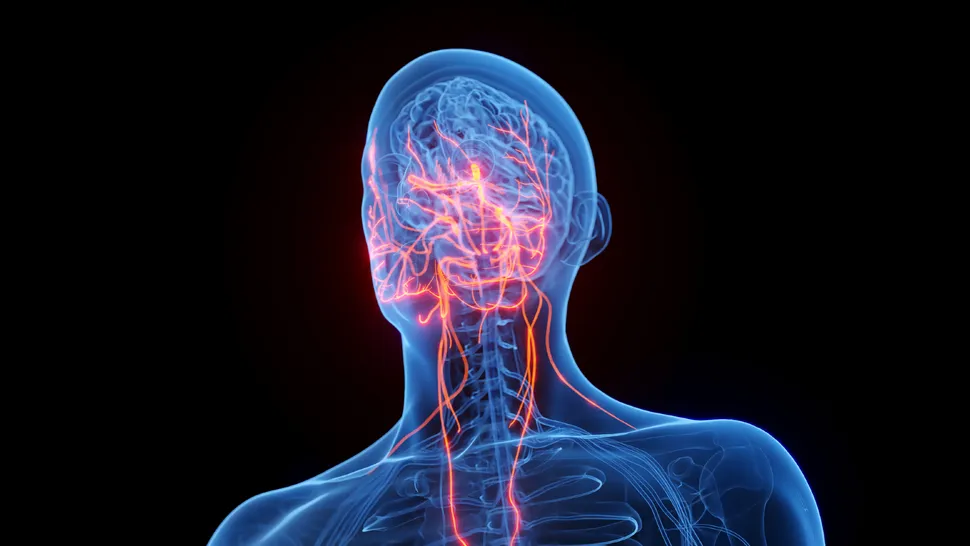
Sleep Deprivation Damages Gut Health by Affecting the Vagus Nerve – New Study Reveals
Recent research has illuminated a critical pathway through which chronic sleep deprivation inflicts harm on gastrointestinal health, specifically via disruption of the vagus nerve—a key component of the gut-brain axis. This finding, emerging from controlled physiological studies, underscores how prolonged inadequate sleep does not merely cause fatigue but actively contributes to intestinal barrier dysfunction and low-grade inflammation, processes increasingly linked to conditions such as irritable bowel syndrome (IBS) and inflammatory bowel disease (IBD). As the medical community deepens its understanding of neurogastroenterology, interventions targeting sleep hygiene are gaining recognition not just as wellness practices but as potential modulators of digestive pathophysiology.
Key Clinical Takeaways:
- Sleep deprivation activates inflammatory pathways in the gut through vagal tone reduction, compromising intestinal barrier integrity.
- Human and animal studies show consistent associations between <6 hours/night sleep and elevated markers of gut permeability like zonulin and LPS-binding protein.
- Addressing sleep deficiency may serve as a modifiable risk factor in managing functional GI disorders, complementing existing gastroenterological care.
The study in question, conducted by researchers at the Sleep and Circadian Neuroscience Institute at the University of Oxford, investigated the mechanistic link between sleep loss and gut permeability using a crossover design in 42 healthy adults. Participants underwent two 72-hour conditions: one with unrestricted sleep (8–9 hours/night) and another with restricted sleep (4 hours/night), with intestinal permeability assessed via lactulose-mannitol ratio and serum biomarkers. Results showed a 37% increase in intestinal permeability during sleep restriction, accompanied by a significant drop in heart rate variability—a proxy for vagal activity—and elevated plasma cytokines including IL-6 and TNF-α. These findings align with prior murine models where vagotomy abolished the gut-leaky effect of sleep fragmentation, confirming the vagus nerve as a necessary mediator. The research was funded by the UK Medical Research Council (MRC) and the Wellcome Trust, with no industry sponsorship, ensuring independence from commercial influence.
According to the longitudinal study published in Nature Communications (2023), chronic sleep disruption is not only a consequence but a potential driver of gut-brain axis dysregulation, with epidemiological data from the UK Biobank showing that individuals reporting <5 hours of sleep nightly had a 28% higher risk of developing IBS over a 6-year follow-up (HR 1.28, 95% CI: 1.12–1.46), independent of BMI, diet, and stress scores. This positions sleep insufficiency as an underrecognized modifiable factor in the pathogenesis of functional gastrointestinal disorders, which affect up to 15% of the global population and contribute significantly to healthcare burden and reduced quality of life.
“We’ve long known that poor sleep and gut symptoms coexist, but this work provides causal evidence that sleep loss directly impairs vagal anti-inflammatory signaling, leading to measurable gut leakiness. It’s a wake-up call—literally—for clinicians to assess sleep as a vital sign in GI patients.”
Further reinforcing this mechanism, a 2022 randomized controlled trial in Gut demonstrated that improving sleep hygiene via cognitive behavioral therapy for insomnia (CBT-I) over 8 weeks reduced intestinal permeability markers by 22% in patients with IBS-D, correlating with improved vagal tone and symptom scores. This suggests that restoring vagal function through behavioral sleep interventions may offer a non-pharmacological avenue for managing gut-brain axis disorders, particularly where standard diets or probiotics show limited efficacy.
For individuals navigating persistent digestive discomfort unresponsive to first-line approaches, evaluating sleep patterns should be considered part of a comprehensive assessment. It is advisable to consult with vetted gastroenterologists who specialize in neurogastroenterology or functional GI disorders, as they can integrate sleep evaluation into diagnostic workflows. Those seeking structured support for sleep improvement may benefit from engaging with board-certified sleep medicine physicians, particularly when insomnia or circadian disruption is suspected. In cases where stress-related gut symptoms dominate, referral to clinical health psychologists with expertise in gut-brain axis therapies—such as gut-directed hypnotherapy or mindfulness-based stress reduction—may provide synergistic benefits.
As research continues to map the bidirectional signaling between the enteric nervous system and central autonomic networks, the vagus nerve stands out as a pivotal therapeutic target. Future directions include exploring neuromodulation techniques like transcutaneous vagal nerve stimulation (tVNS) as adjuncts in refractory gut disorders, particularly in patients with comorbid sleep disturbance. However, such approaches remain investigational, and current standards of care emphasize foundational lifestyle optimization—of which sleep is a non-negotiable pillar.
Disclaimer: The information provided in this article is for educational and scientific communication purposes only and does not constitute medical advice. Always consult with a qualified healthcare provider regarding any medical condition, diagnosis, or treatment plan.