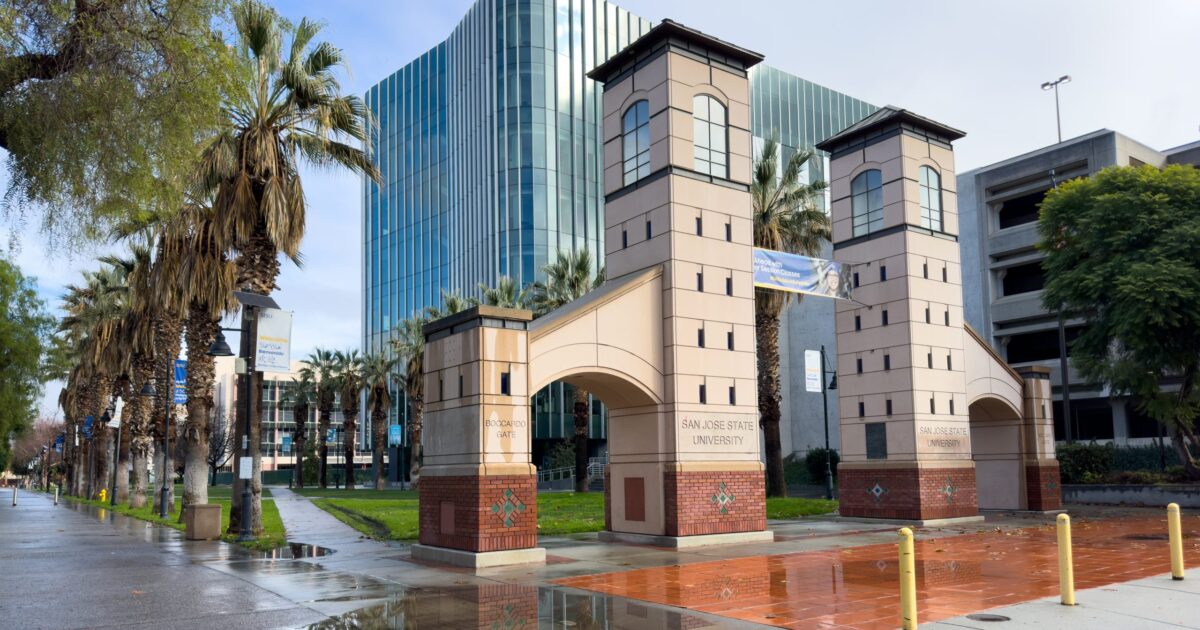
SJSU Student Suicides Reveal Campus Mental Health Paradox
San Jose State University faces a mental health crisis after two student suicides within a single month in early 2026, exposing critical gaps in campus support systems and prompting urgent calls for expanded counseling services, faculty training, and community-based intervention strategies across Santa Clara County.
The Hidden Toll: Beyond the Headlines
The tragedies at San Jose State are not isolated incidents but symptoms of a deeper, systemic strain on young adults navigating post-pandemic academia, economic uncertainty, and social disconnection. While national suicide rates among college students have risen 15% since 2020 according to the CDC, SJSU’s recent cluster reveals a local acceleration that demands immediate, targeted action—not just sympathy.
What makes this situation particularly acute is the timing: both deaths occurred during midterm season, a period historically linked to heightened academic stress. Yet university officials confirmed to San José Spotlight that waiting times for counseling appointments at SJSU’s Psychological Services Center now average three weeks—a delay that can be fatal for students in crisis.
Santa Clara County’s Mental Health Infrastructure Under Strain
The impact extends far beyond campus gates. San Jose, as the largest city in Silicon Valley, bears disproportionate pressure on its public health systems. County data shows a 22% increase in youth psychiatric emergency visits over the past two years, overwhelmingcrisis stabilization units andcommunity mental health clinics already operating at 90% capacity.
This strain intersects with housing insecurity—a known risk factor for suicide. Nearly 30% of SJSU students report experiencing housing instability, per a 2025 university survey, forcing many to choose between rent and therapy copays. Local nonprofits like housing advocacy groups report a 40% surge in requests for emergency aid from college-aged clients since January.
“We’re seeing students fall through the cracks not because help doesn’t exist, but because they don’t know how to access it—or fear the stigma of asking,” said Dr. Lena Ruiz, Director of Behavioral Health Services for Santa Clara County, in a briefing to the County Board of Supervisors on April 10, 2026. “We need embedded, stigma-free support in dorms, classrooms, and dining halls—not just waiting rooms.”
The Faculty Factor: Training Gaps and Missed Signals
Another critical gap lies in faculty preparedness. A 2024 CSU system audit found that only 38% of adjunct professors—who teach over 60% of SJSU’s courses—had received mandatory mental health first aid training. Full-time faculty fare better at 65%, but even they report feeling unprepared to respond to disclosures of suicidal ideation.
This isn’t merely a training issue; it’s a cultural one. In focus groups conducted by the SJSU Academic Senate in March 2026, students described professors who dismissed anxiety as “just stress” or penalized absences related to mental health appointments. One anonymous student told researchers: “I stopped going to office hours after my econ prof said, ‘Everyone’s stressed. Deal with it.’”
“Faculty are on the front lines, yet many lack the tools to recognize warning signs or make appropriate referrals,” stated Professor Mark Chen, Chair of the SJSU Psychology Department and a licensed clinical psychologist, during a campus town hall on April 12. “We need mandatory, ongoing training—not a one-time webinar—and clear protocols for when and how to intervene.”
Economic Ripples: When Campus Crises Hit Local Economies
The consequences of untreated mental health struggles extend into the regional economy. Silicon Valley’s tech sector relies heavily on a steady pipeline of local talent—SJSU supplies approximately 12% of San Jose’s entry-level tech hires annually. When students disengage or drop out due to untreated conditions, it creates a skills gap that employers feel.
prolonged campus instability affects enrollment. Early data for Fall 2026 shows a 7% decline in incoming freshman deposits compared to the previous year, a trend university officials link to reputational concerns. This decline could cost SJSU over $14 million in lost tuition revenue, according to projections from the CSU Chancellor’s Office—funds that would otherwise support student services.
Local businesses near campus, from coffee shops to tutoring centers, are already reporting reduced student foot traffic. The San Jose Downtown Association estimates a 5% dip in Q1 2026 revenue for businesses within a mile of campus, attributing part of the decline to lower student presence and heightened community anxiety.
Building a Better Safety Net: What Works
Solutions exist—and some are already being tested. In 2023, UC Berkeley implemented a peer support program that reduced average wait times for clinical referrals by 40% by training students to recognize distress and guide peers to professional help. SJSU launched a pilot version in February 2026, but it currently serves only 5% of the student body due to funding limits.
Meanwhile, Santa Clara County’s Mobile Crisis Team—a co-responder model pairing clinicians with plainclothes officers—has shown promise in diverting youth from emergency rooms to outpatient care. Expansion of this model to cover university zones is under discussion, with funding proposed in the County’s 2026-27 budget.
For students needing longer-term care, sliding-scale therapy options throughcommunity health centers andsocial justice law firms specializing in disability rights can help navigate accommodations and insurance barriers—though awareness of these resources remains low.
The Path Forward: From Reaction to Prevention
This moment demands more than crisis counseling. It requires a fundamental rethinking of how universities support the whole student—not just the scholar. That means integrating mental health into academic advising, reducing stigma through mandatory curriculum modules, and funding 24/7 accessible crisis lines staffed by trained peers.
It also means holding institutions accountable. California’s Assembly Bill 1806, effective January 2026, requires all public colleges to report annual mental health service utilization and wait time data—but enforcement remains weak. Students and families deserve transparency, and local journalists must continue to press for it.
As Santa Clara County Supervisor Susan Ellenberg noted in a recent op-ed: “When a student dies by suicide, we lose more than a life—we lose potential, we lose community, we lose faith in the systems meant to protect them. Our response must be as urgent as the pain that preceded it.”
The path to healing won’t be found in press releases or isolated initiatives. It will be built in the quiet moments—when a professor checks in, when a friend walks someone to the counseling center, when a student realizes asking for help isn’t weakness but courage. And for those seeking to support this work—whether as clinicians, educators, advocates, or employers—the verified community resources in our directory stand ready to help turn awareness into action.
Keep reading