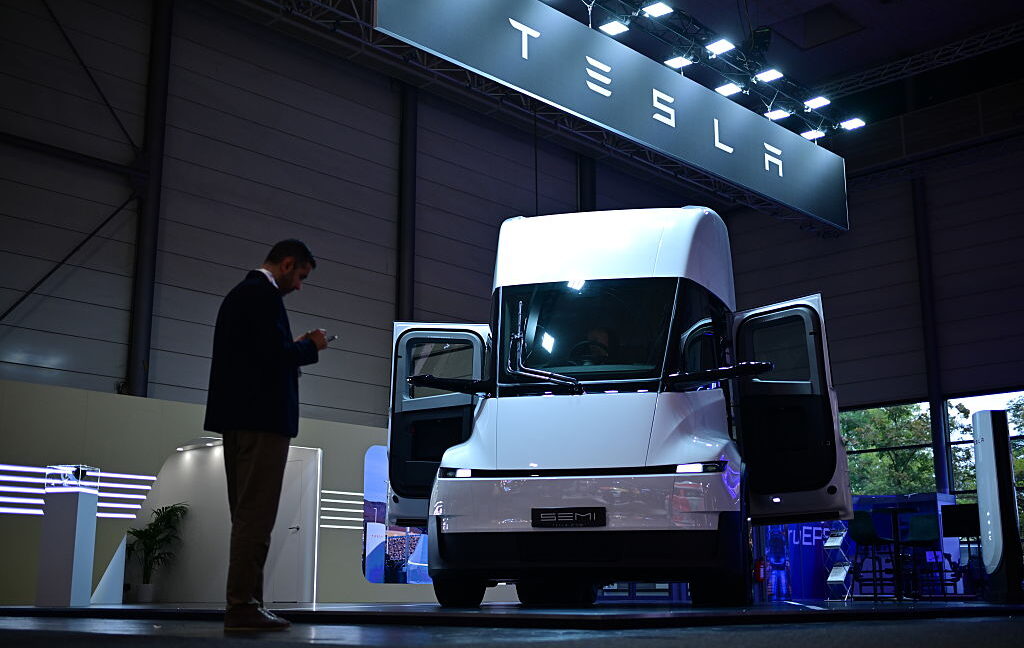
Shippers order record 2,500 Tesla Semis as US diesel prices hit record highs
Tesla Semi Faces Infrastructure and Charging Hurdles as Shippers Place Record Orders
As US diesel prices hit record highs amid ongoing disruptions to Middle East oil production and shipping, an alliance of major shippers placed a record-setting order for 2,500 Tesla Semis this week, with deliveries slated to run from now through the next 18 months. Meena Bibra, a spokesperson for the nonprofit Smart Freight Centre, stated that the group selected Tesla’s 500-mile electric truck over competitors after assessing price, performance, production capability, and service support. If these units successfully reach carriers, the deployment will nearly double the active count of heavy-duty electric trucks on US roads today.
The Tech TL;DR:
- The Deal: Shippers including Microsoft and PepsiCo ordered 2,500 Tesla Semis for delivery over the next 18 months.
- The Economic Driver: Surging US diesel prices tied to the Iran War make electric power drastically cheaper for logistics fleets.
- The Bottleneck: Severe charging gaps and infrastructure limitations continue to constrain heavy-duty electric trucking deployment.
Evaluating the Logistics Economics Amid Oil Supply Disruptions
Heavy trucks account for approximately 7 percent of US greenhouse gas emissions, making them a primary target for efficiency regulations. Last year, the Trump administration and congressional Republicans cut billions in federal support for electric vehicles while simultaneously working to lower fuel economy standards for truck engines that would have forced aggressive climate targets upon manufacturers. The ongoing conflict in the Middle East has disrupted oil production, driving US diesel prices to record highs nearly double what they were at this time last year.
“The truck ‘is going to make a ton of sense economically because the cost of electricity is much less than the cost of diesel, especially in these crazy times,'” Elon Musk said in a pre-taped address, acknowledging the economic fallout from the conflict. By pooling demand across numerous carriers, the purchasing alliance successfully negotiated lower acquisition prices for the new fleet. Buyers retain the flexibility to pivot toward alternative manufacturers such as Kenworth, Ride, and Volvo if those vehicle specs better align with their specific operational parameters.
Hardware Capabilities and Software Integration Realities
The Tesla Semi arrives sporting a 500-mile per-charge range, addressing a critical range barrier for cross-state freight operations. However, fleet operators continue to face severe physical infrastructure deficits, as widespread megawatt-scale charging corridors remain incomplete across primary freight routes. On the software front, Full Self-Driving (Supervised)—Tesla’s advanced driver assistance architecture—is not yet active on the Semi. Musk noted during his address that the feature will debut in the “very near future,” though transport analysts note that its predecessor technology, Enhanced Autopilot, was originally promised during the initial 2017 vehicle rollout.
Architectural Specifications and Market Alternatives
Compared to legacy diesel engines and competing battery-electric platforms from Volvo and Kenworth, the Tesla Semi’s performance metrics highlight the shifting priorities of fleet electrification.

| Parameter | Specification / Status |
|---|---|
| Vehicle Range | Up to 500 miles per charge |
| Order Volume | 2,500 units (Microsoft, PepsiCo, and alliance partners) |
| Delivery Timeline | Beginning this week through the next 18 months |
| Autonomous Capabilities | Full Self-Driving (Supervised) pending future release |