Shangri-La Dialogue: China’s Influence and US Defense Strategy in Asia
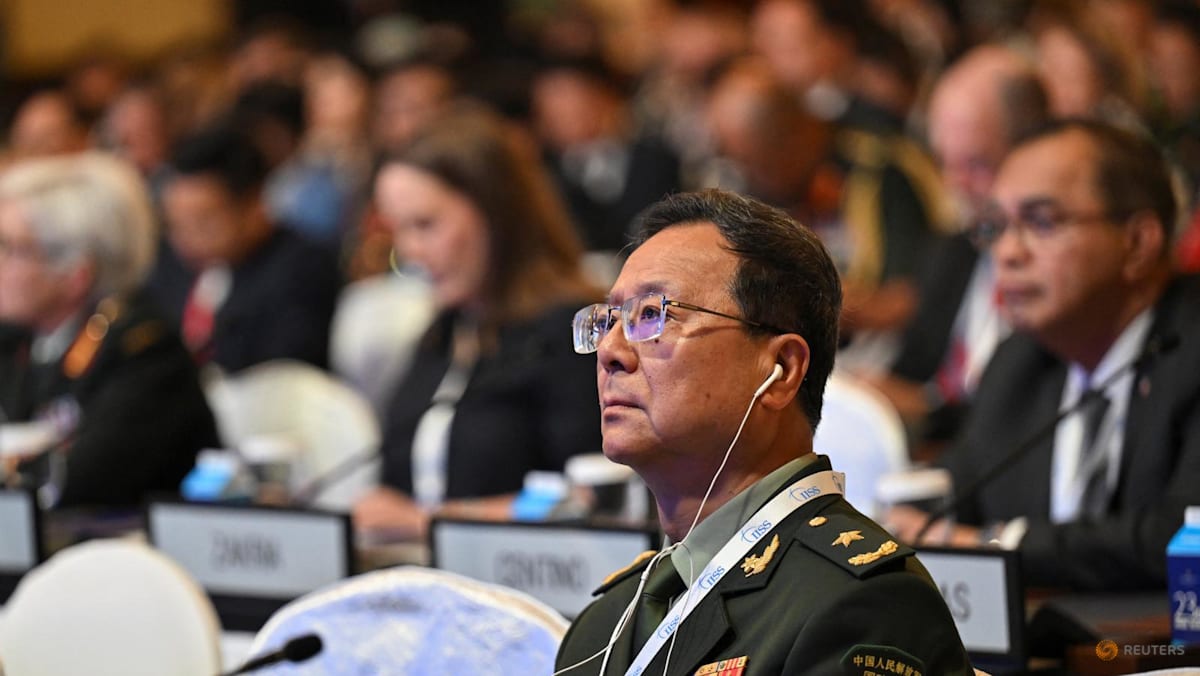
The 2026 IISS Shangri-La Dialogue convened with the absence of Chinese Defense Minister Dong Jun, though the summit remained heavily characterized by Chinese diplomatic and military presence.
U.S. Defense Secretary Pete Hegseth led the American delegation, bringing a shift in rhetoric and strategic focus to the regional security forum. Hegseth’s tenure has been associated with an approach aimed at reshaping U.S. Engagement in Asia, though his specific contributions at the dialogue were marked by a conspicuous silence regarding Taiwan. This lack of public commentary on Taiwan’s status has been identified as a development that aligns with the strategic objectives of Chinese President Xi Jinping.
The diplomatic atmosphere at the summit highlighted a growing tension between the value of high-level dialogue and the necessity of material deterrence. Discussions among regional participants centered on whether Asian nations should pivot toward a strategy of “less Shangri-La” and “more ships, more subs,” suggesting that diplomatic forums are becoming secondary to the acquisition of naval hardware and undersea capabilities.
Regional defense spending is currently being recalibrated as governments incorporate lessons drawn from the ongoing conflict in Ukraine. The war in Europe has prompted Asian security planners to re-evaluate procurement priorities and the scale of their military expenditures to better address potential contingencies in the Indo-Pacific.
While China’s top defense official was not present, the influence of Beijing continued to dominate the agenda. The dialogue served as a venue for assessing the sustainability of current U.S. Security guarantees in the face of China’s expanding regional footprint and the shifting priorities of the U.S. Department of Defense under Hegseth.
The summit concluded without a formal joint commitment on the status of cross-strait relations, leaving the U.S. Position on Taiwan unstated.